
Blown-In Attic Insulation in Glendale, CA
Blown-in attic insulation in Glendale, CA typically costs between $1,800 and $4,200 for a standard single-family home, and most jobs are completed in a single day. The process involves mechanically distributing loose-fill material – cellulose or fiberglass – across the attic floor to a specified depth, reaching into every corner and gap that batt insulation never quite touches. If your Glendale home was built before 1990, or if your utility bills have been climbing without explanation, there is a reasonable chance the attic is the place to start looking with our Attic Insulation services.
At Topside Attic Insulation Glendale, we do not skip steps to keep the estimate low. Under The Haven Standard, every blown-in job begins with a written price before any work starts – no vague ranges, no post-job surprises. We also require that attic air sealing is completed before the blower runs, because loose-fill material laid over an unsealed attic floor does not fix the air leaks: it just hides them. If you want to understand the full scope of what we offer in the attic, our Attic Insulation in Glendale page lays out every service we perform up there.
To schedule a free estimate or ask a specific question, call us at (213) 474-3828 – a live person answers, every time.
When You Need Blown-In Attic Insulation
Not every Glendale home announces the problem loudly. Sometimes the signal is a high SCE bill; sometimes it is a bedroom on the top floor that never quite cools down in August. Below are the clearest indicators that blown-in insulation belongs on your list.
- Insulation depth below R-30. California’s Title 24 recommends R-38 to R-60 for attics in Climate Zone 9, which covers most of Glendale. If you can see your attic floor joists clearly, the existing insulation – whatever type it is – is almost certainly underperforming. We measure depth before we write the scope.
- Top-floor rooms that feel disconnected from the thermostat. In neighborhoods like Montecito Park and Rossmoyne, we regularly find that upper bedrooms run 8 to 12 degrees warmer than the rest of the house in summer. That gap is almost always an insulation and air-sealing problem, not an HVAC problem.
- Compressed or settled batt insulation from an older installation. Fiberglass batts lose roughly 20 to 30 percent of their thermal resistance when they compress over time. Blown-in material added over settled batts restores the R-value without requiring full removal in most cases.
- Visible rodent damage or moisture staining in the existing material. Before any blown-in work, damaged insulation has to come out. If you have had a rodent problem – common in the hillside properties above Chevy Chase Canyon – we scope the removal and cleaning before writing the blown-in price. Those are separate line items on your written estimate, not bundled surprises.
- Post-renovation attic disturbance. HVAC replacements, reroofing projects, and solar installations frequently displace or compress whatever insulation was in place. A quick depth check after any major attic-access project is worth scheduling.
- A home built between 1950 and 1980 with no documented insulation history. A large portion of Glendale’s housing stock falls in this range. Many of those attics were never insulated to today’s standards, or were insulated once and never revisited. We have seen attics in the Glenoaks Canyon area with original vermiculite-style material still in place – which requires a separate evaluation before any work proceeds.
Our Blown-In Attic Insulation Process
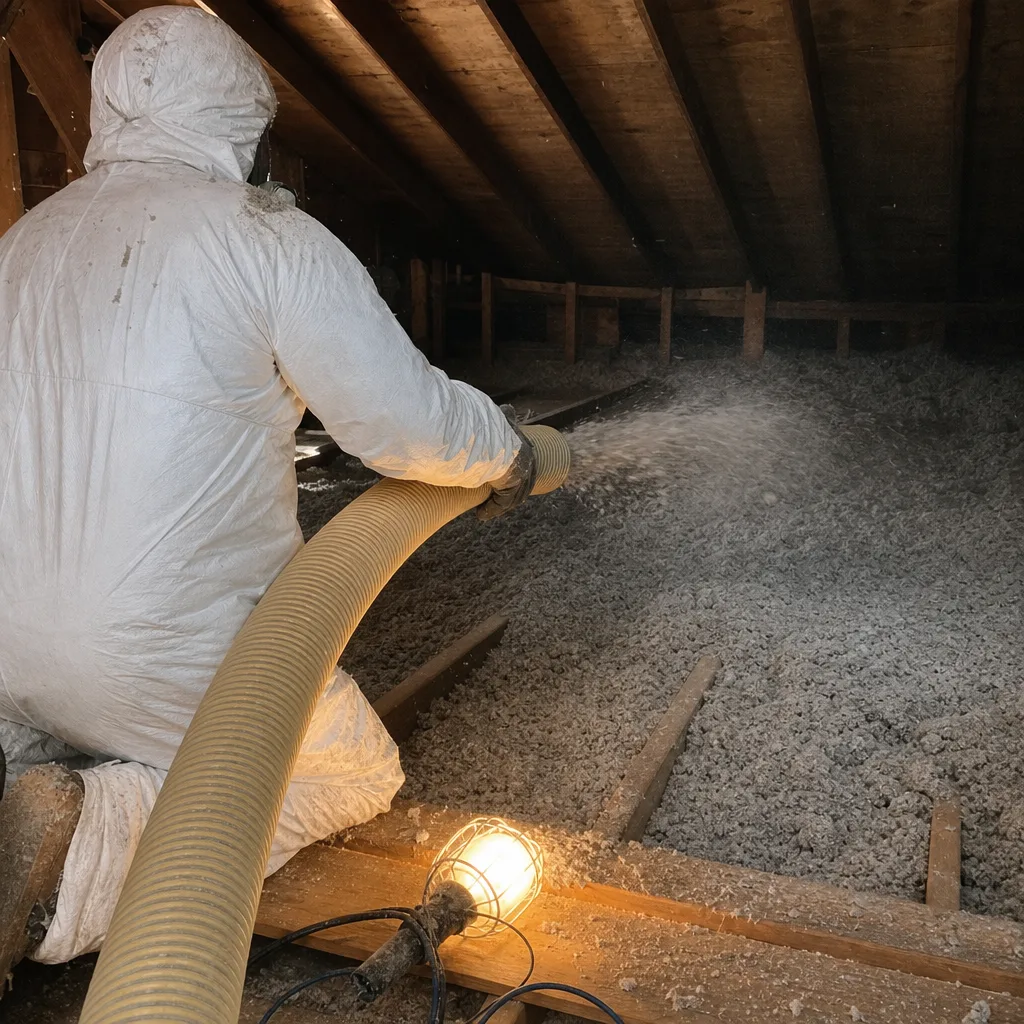
Every step below is part of the written scope you receive before we start. Nothing is added after the fact.
-
Pre-work inspection and blower-door baseline reading.
Before the crew touches anything, we run a blower-door test – a pressurization measurement that shows, in a single figure (CFM50), how much conditioned air the home’s building envelope is losing. That number goes into your documented record. It gives us an honest before-picture and gives you a basis for comparison when we publish the post-sealing reading. -
Attic air sealing – completed before any insulation is added.
We seal top plates (the framing members where walls meet the attic floor), recessed can lights, plumbing and electrical penetrations, and any HVAC boot gaps using fire-rated caulk, foam, or rigid material appropriate to the opening size. This is a hard prerequisite, not an optional add-on. Blown-in insulation laid over unsealed penetrations reduces conductive heat transfer but does nothing about the air moving freely through those gaps – and moving air carries far more energy than conduction alone. -
Depth markers and material selection.
We set depth rulers across the attic floor before the blower runs so the installer can verify coverage as they work. For most Glendale homes, we use GreenFiber cellulose or Owens Corning blown-in fiberglass, depending on moisture conditions, existing material, and the target R-value specified in the written scope. We do not push one material over another based on margin – we specify what fits the job. -
Blown-in installation.
Loose-fill material is fed from bags through a large-diameter hose and distributed evenly across the attic floor. The installer works backward toward the access point, filling around obstructions that batt installation typically bridges over. For California’s Climate Zone 9, we target a minimum of R-38, which equates to roughly 10 to 12 inches of settled cellulose or 13 to 15 inches of blown fiberglass. -
Post-installation blower-door reading and documentation.
After the air sealing is confirmed and the insulation is at depth, we run the blower-door again. The before and after CFM50 numbers are both recorded and included in your Documented Photo Record. On a typical Glendale job where we sealed a moderate number of penetrations, we see a 25 to 45 percent reduction in air leakage. You do not have to take our word for it – the numbers are in the document you receive. -
Site cleanup and written record delivery.
The crew cleans up the access area, re-installs any attic hatch weatherstripping that was disturbed, and photographs the finished depth at multiple locations. That photo record, the blower-door readings, the written scope, and the written warranty under the 365-Day Done Right Promise are all delivered before we leave. If anything is not right within 365 days, we make it right – that is in writing before day one.
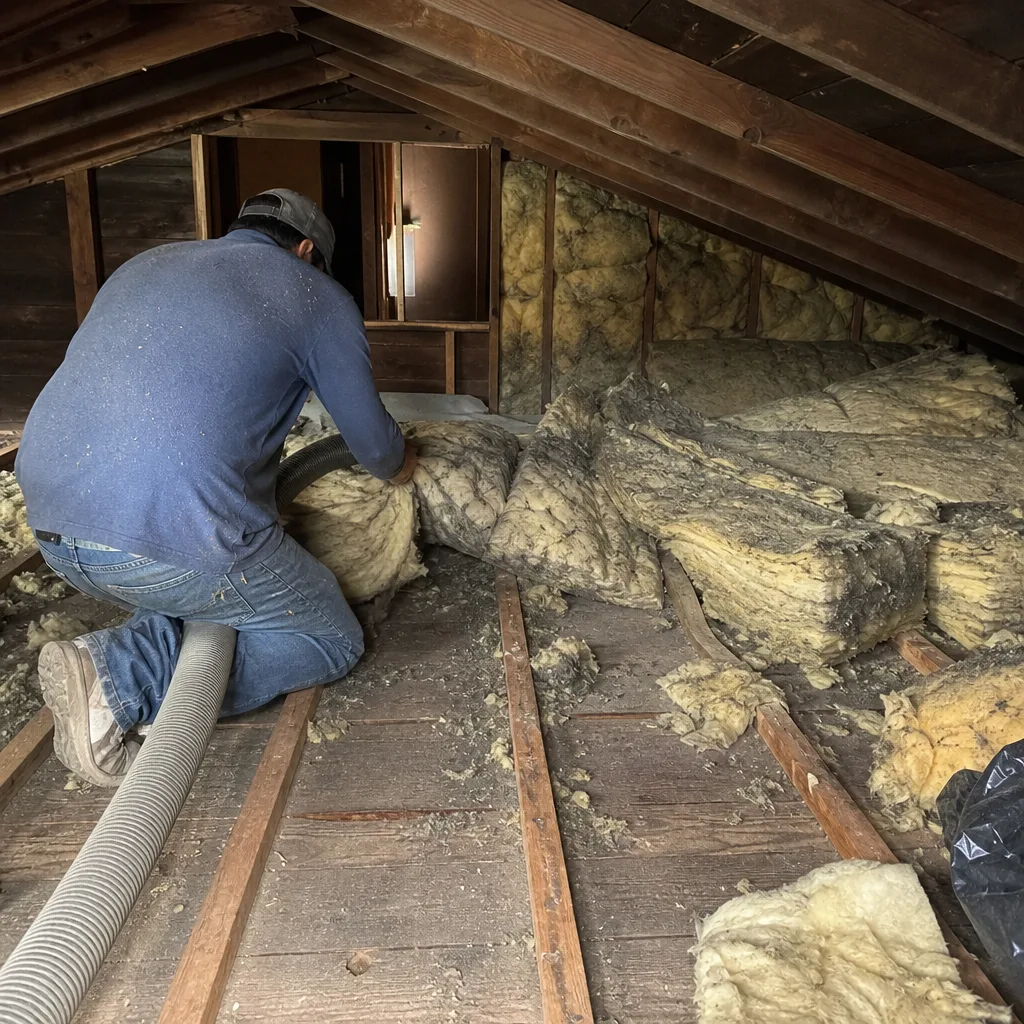 Before
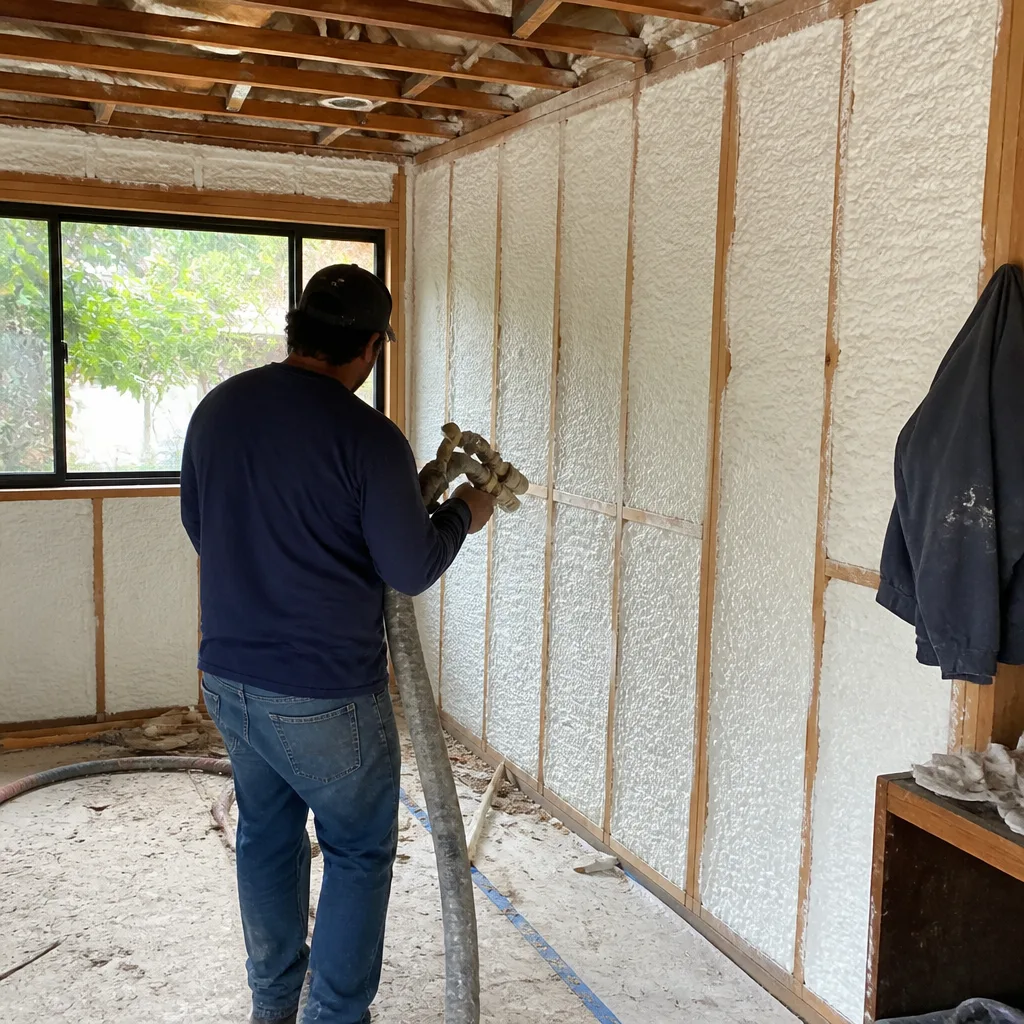 After
AfterBlown-In Attic Insulation Pricing in Glendale
Most blown-in attic insulation jobs in Glendale run between $1,800 and $4,200 for a typical single-family home. The range is wide because the variables are real. Below is a breakdown of what drives the number.
| Factor | Typical Range / Notes |
|---|---|
| Attic square footage (insulated area) | 800 sq ft home: lower end; 2,200+ sq ft: upper end |
| Target R-value and starting depth | Adding R-19 to an attic with zero insulation costs more than topping off an existing R-19 to R-38 |
| Air sealing scope | Homes with many recessed lights or open top plates (pre-1980 Glendale construction) add $300 to $700 to the sealed-first line item |
| Old insulation removal | If existing material must come out first, that is quoted as a separate line item: typically $1.00 to $1.50 per square foot for vacuum removal |
| Attic access difficulty | Low-pitch roofs or tight knee walls in hillside Glendale homes (common in Verdugo Woodlands) add labor time |
| Material: cellulose vs. blown fiberglass | GreenFiber cellulose is typically $0.05 to $0.10 per square foot less expensive than blown fiberglass at comparable R-values; both are effective in Glendale’s climate |
A few things you will not find in our pricing: hidden trip charges, post-job “material overage” fees, or a written scope that changes after we arrive. Under Haven Standard Clause 1, the price on the written estimate is the price on the invoice. If our inspector finds something during the pre-work visit that changes the scope, we write a revised estimate and you approve it before anything changes.
We also offer a Free Second Opinion on any written estimate you have already received from another contractor. Bring the document – we will read it with you, line by line, and tell you what the numbers mean and whether the scope is complete.
To get a written price for your specific attic, call (213) 474-3828. The estimate is free.
Key Takeaways
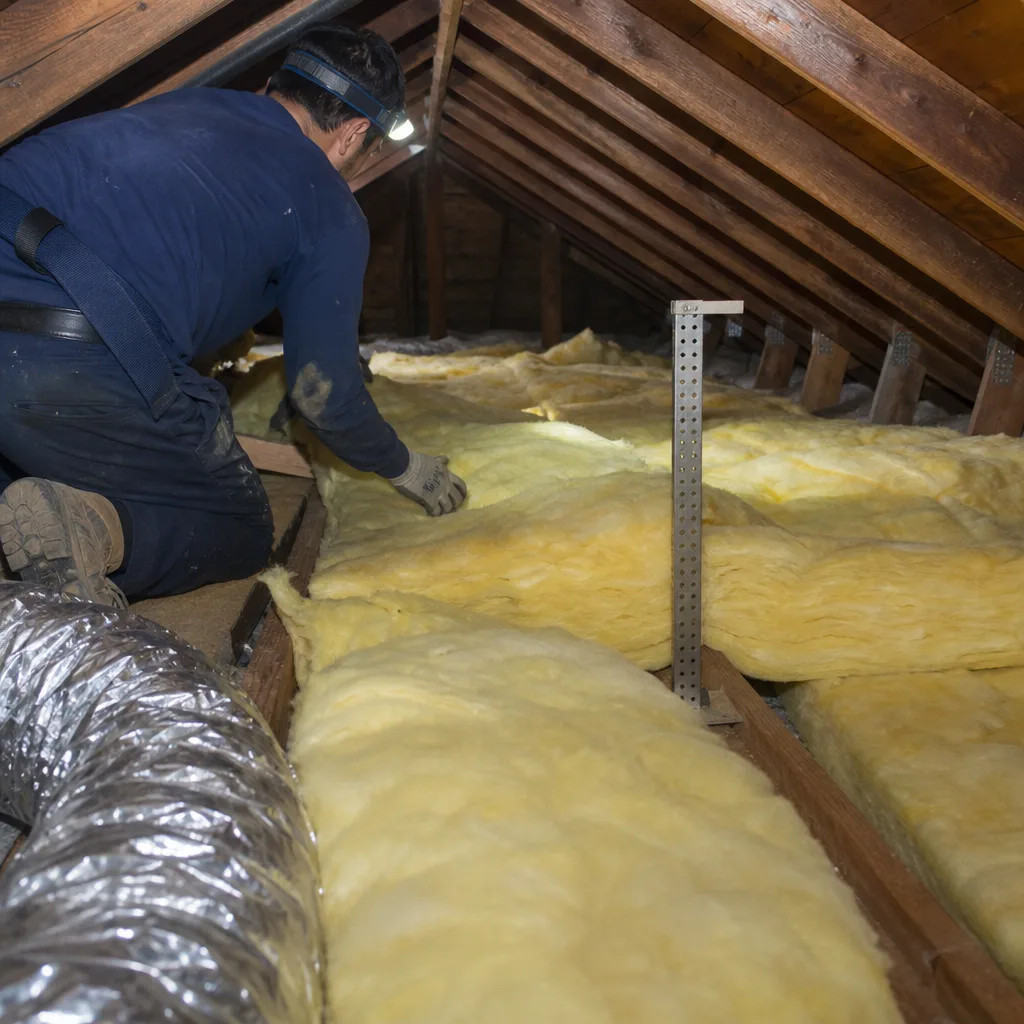
- Blown-in insulation in Glendale typically costs $1,800 to $4,200 for a single-family home, depending on attic size, starting depth, and air sealing scope.
- Air sealing comes first – always. Blown-in material over unsealed gaps is an incomplete job, regardless of what any other contractor tells you.
- Before-and-after blower-door numbers are published on every applicable job so you have documented proof of the performance change, not just our word.
- A written price is delivered before any work starts. The 365-Day Done Right Promise is in writing before day one.
- California Climate Zone 9 (Glendale) targets R-38 to R-60 for attic insulation – most pre-1990 homes are well below that floor.
FAQs – Blown-In Attic Insulation
How much does blown-in attic insulation cost in Glendale, CA?
Blown-in attic insulation in Glendale typically costs between $1,800 and $4,200 for a standard single-family home, including the mandatory air sealing we complete before any insulation is added. The final number depends on your attic’s square footage, the existing insulation depth, how many penetrations need sealing, and whether old material needs to come out first. We publish a flat, written price before any work starts – and the estimate is free. Call (213) 474-3828 to schedule yours.
What is the difference between blown-in insulation and batt insulation for an attic?
Blown-in insulation is loose-fill material – cellulose or fiberglass – mechanically distributed across the attic floor, which lets it fill around joists, blocking, wiring, and other obstructions that batt insulation typically bridges over, leaving air gaps. In practice, blown-in achieves more consistent coverage in irregular or obstructed attic floors, which is common in Glendale homes built before 1985. Attic Batt Insulation installs faster in open, clean attics but is less forgiving of complex framing. We specify which is appropriate in the written scope for your particular attic, and we do not push one over the other based on anything other than the actual conditions we find.
Do you need to remove old insulation before adding blown-in?
Not always. If the existing insulation is undamaged, dry, and free of rodent contamination, blown-in material can often be added directly over it to bring the total depth to the target R-value. If the existing material is compressed, wet, or contaminated – situations we see regularly in older properties near the Verdugo Hills foothills – removal is necessary before we add anything new. That determination is made during the pre-work inspection, and if removal is needed, it appears as its own line item on the written estimate. You see the full picture before approving any work.
How long does a blown-in attic insulation job take in Glendale?
Most blown-in attic insulation jobs in Glendale are completed in a single day – typically four to seven hours from the time the crew arrives to the time the documented photo record is in your hands. Larger homes, difficult attic access, or jobs that include significant insulation removal may require a second day. That timeline is noted in the written scope before we start. The blower-door test, air sealing, blown-in installation, and post-work blower-door reading all happen within that window, along with Attic Baffles & Ventilation Prep when specified. There is no separate scheduling appointment for the documentation – it leaves with the crew on the same visit.
Why Glendale Homeowners Work With Topside Attic Insulation Glendale
Glendale’s housing stock is genuinely varied. You have 1920s craftsman bungalows in Brockmont, mid-century ranch homes throughout Montecito Heights, and newer construction in the flats near the 134. Each era of construction has its own insulation habits and its own failure patterns. Pre-1978 homes often have no insulation at all in the attic floor, or have original rock wool that has settled to a fraction of its original depth. Homes from the 1980s frequently have R-11 or R-19 batts that were adequate by the standards of that era but fall short of today’s Title 24 requirements.
We have been working in Glendale attics since 2016, and in that time we have completed more than 9,000 jobs across the region, every one with a written price before work started and a documented record when the crew left. That number is not a sales figure – it is the volume of data that tells us what to look for in a specific zip code, on a specific roof pitch, with a specific era of construction. When Wes Okafor reviews the scope on your job, that context is part of what he brings to the written price.
We source material from manufacturers including GreenFiber and Owens Corning – not because we have a preferred-vendor arrangement, but because those are materials with consistent, documented performance specs. You are welcome to ask about any material we spec and we will give you the data sheet, not a sales pitch.
Our broader home service line covers everything in the building envelope – spray foam, radiant barrier, crawl space encapsulation, energy audits – but blown-in attic insulation paired with air sealing is where most Glendale homeowners see the most measurable improvement for the cost.
If you are still deciding, bring us a written estimate from another contractor. We will read it with you, and if the scope is missing the air sealing step – which is common – we will show you exactly where the gap is.
Call (213) 474-3828 to schedule a free written estimate. A live person answers.
Written by Wes Okafor, Owner at Topside Attic Insulation Glendale, serving Glendale.