
Last updated September 23, 2026
Attic Insulation Maintenance Checklist for Glendale Homeowners
A 2-inch reduction in blown-in fiberglass depth - easy to miss without a depth ruler - cuts effective R-value by roughly 20 percent. In a Glendale attic that started at R-38, that’s functional performance closer to R-30 before summer even begins. Most homeowners never check until the upstairs bedroom won’t cool below 78°F in July or the gas bill spikes in January. The Complete Guide to Insulation in Glendale teaches you to read the four physical signatures of insulation degradation - settling, wind washing, rodent intrusion, and moisture damage - so you catch problems while they’re still a maintenance item, not a full replacement.
Quick Answer
Glendale homeowners should inspect attic insulation twice yearly, in March and October, using an 8-inch ruler and flashlight to check depth at five marked locations, look for pale compressed bands near vents (wind washing), dark clumping or sheathing stains (moisture), and tunneling or droppings (rodents). Record date, depth measurements, and observed changes in a simple paper log. Call a professional for our Attic Insulation services when depth drops more than 2 inches from original, when you find moisture damage, or when rodents have established pathways - pest exclusion must precede any insulation repair.
Table of Contents
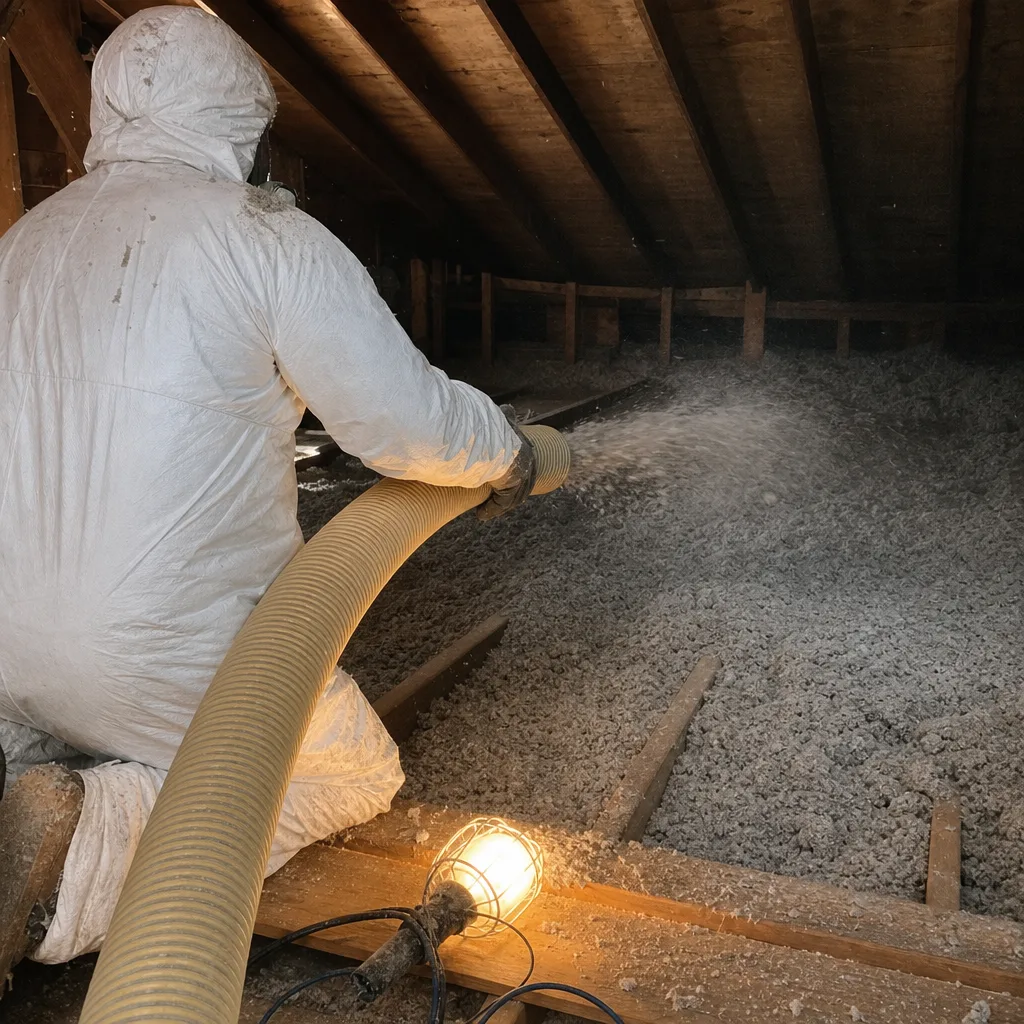
- How to Check for Depth Loss from Settling
- Identifying Wind Washing Near Soffit and Ridge Vents
- Spotting Rodent Intrusion and Why Exclusion Comes First
- Recognizing Moisture Damage in Glendale’s Climate
- The Three-Item Paper Record Every Homeowner Should Keep
- When to Inspect: Glendale’s Seasonal Timing
- Common Mistakes to Avoid
- When to Call a Professional
- Frequently Asked Questions
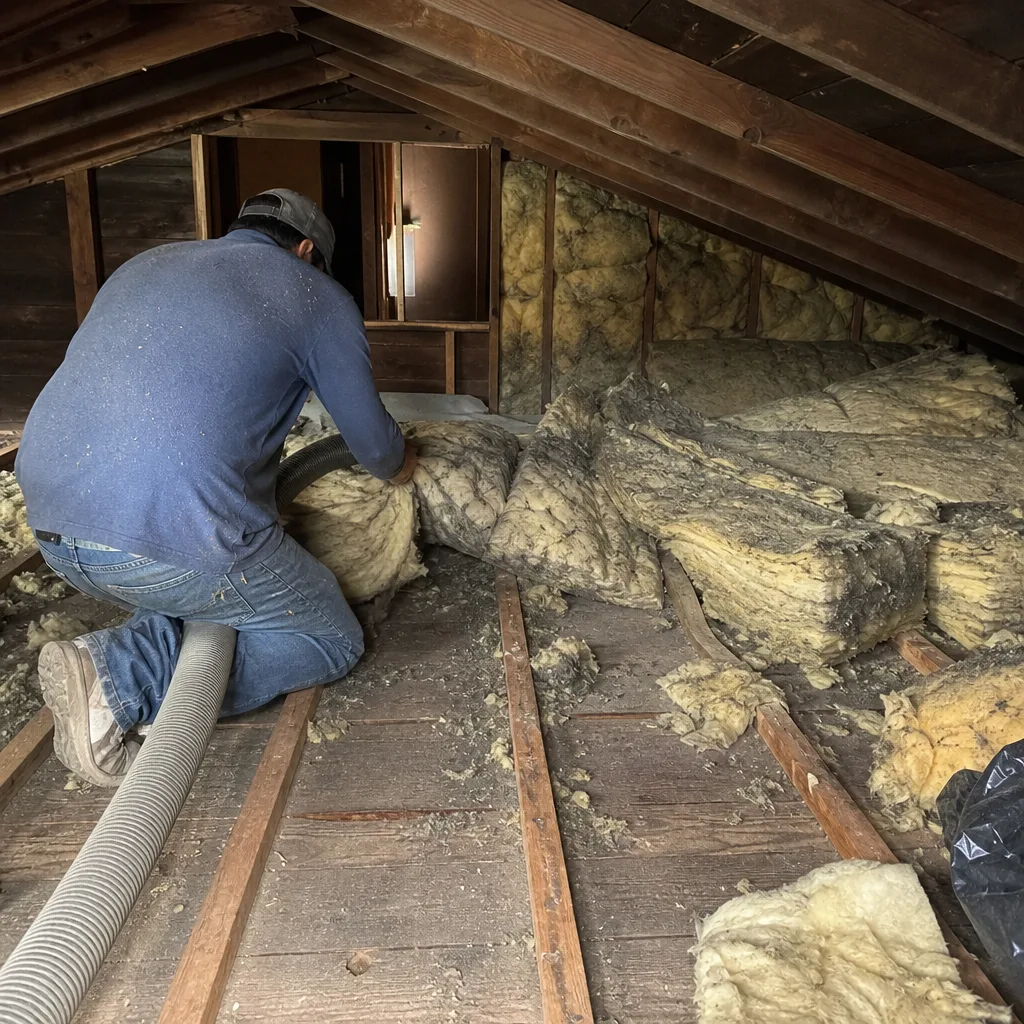 Before
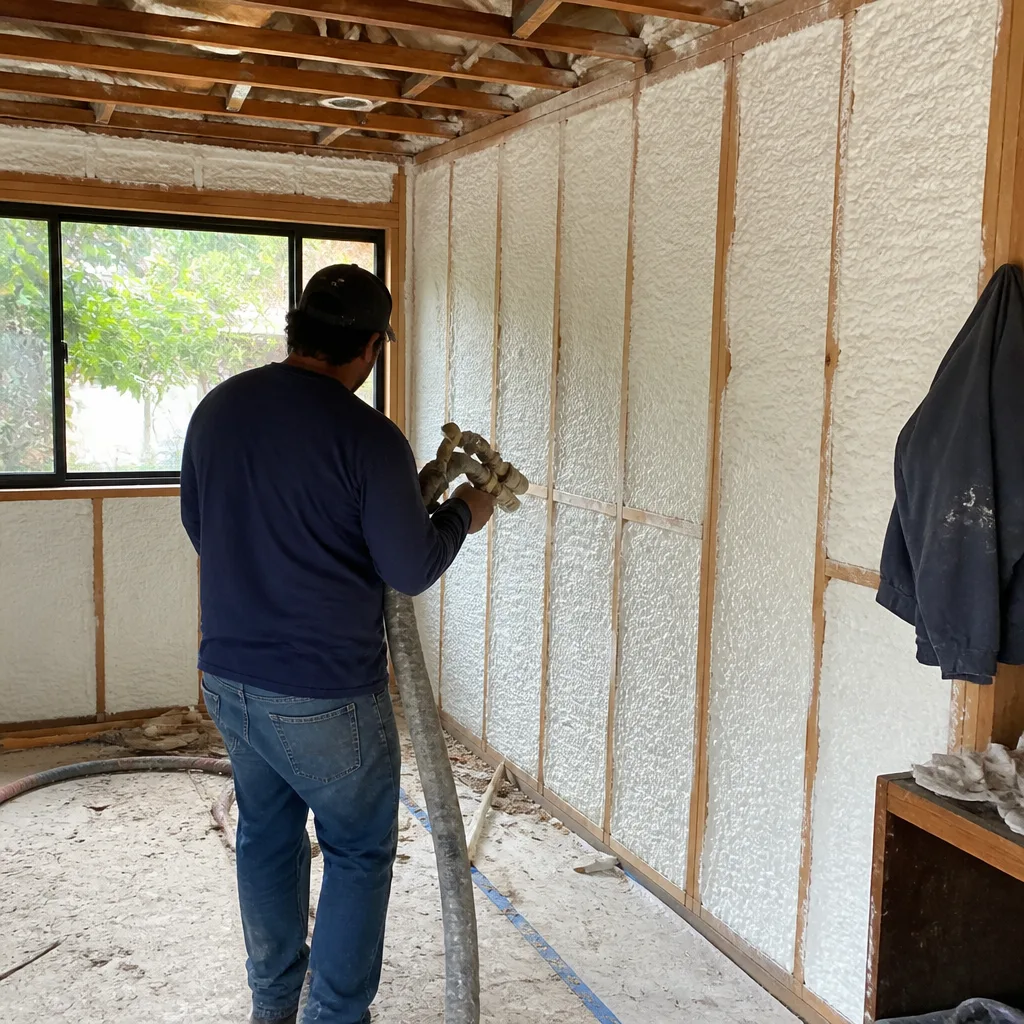 After
AfterHow to Check for Depth Loss from Settling
Settling is the silent thief of attic performance. Blown-in fiberglass and cellulose both lose volume over time through gravity, foot traffic, and vibration from HVAC systems. The Department of Energy specifies R-38 to R-60 for attics in the Los Angeles basin climate zone, but installed depth only achieves that rating on day one. We’ve measured attics in Glendale’s Glenoaks Canyon and Chevy Chase Canyon neighborhoods where original R-38 had compressed to R-28 performance - a 26 percent loss - with no visible damage whatsoever.
The check is simple but must be done the same way every time. Here’s the method we teach homeowners:
- Mark five permanent locations. Choose spots away from the attic hatch (which gets compressed), away from obvious air leaks around chimneys or ducts, and distributed across the attic footprint - one near each corner, one in the center. Mark the rafter or truss above each spot with a permanent marker or small nail.
- Use an 8-inch ruler, not a tape measure. A rigid ruler stands upright in loose-fill insulation; a flexible tape sags and reads shallow. Press gently until you feel the drywall or top plate beneath.
- Measure to the top of the insulation, not the highest fluff point. Brush your hand lightly across the surface to find the average plane. Record to the nearest quarter-inch.
- Acceptable variance is ±1 inch from your baseline. If original blown-in fiberglass was 14 inches deep for R-38, readings of 13 to 15 inches are normal seasonal variation. Below 12 inches, you’ve crossed into meaningful performance loss.
- Check the same five spots every time. Consistency matters more than precision. A log showing gradual decline at location 3 over three years tells you more than a single perfect measurement.
Cellulose settles more than fiberglass - typically 15 to 20 percent in the first two years versus 5 to 10 percent for fiberglass - so cellulose baselines need more frequent verification. In Glendale’s older homes near Kenneth Village or the historic Royal Boulevard district, we’ve found original cellulose from the 1970s compacted to half its original depth, creating effective R-values below code minimum.
What you’re looking for is pattern, not point data. Uniform loss across all five spots suggests normal settling. Loss concentrated near the attic center often indicates foot traffic from cable installers or HVAC technicians. Loss near eaves points to wind washing, which we’ll cover next.
Identifying Wind Washing Near Soffit and Ridge Vents
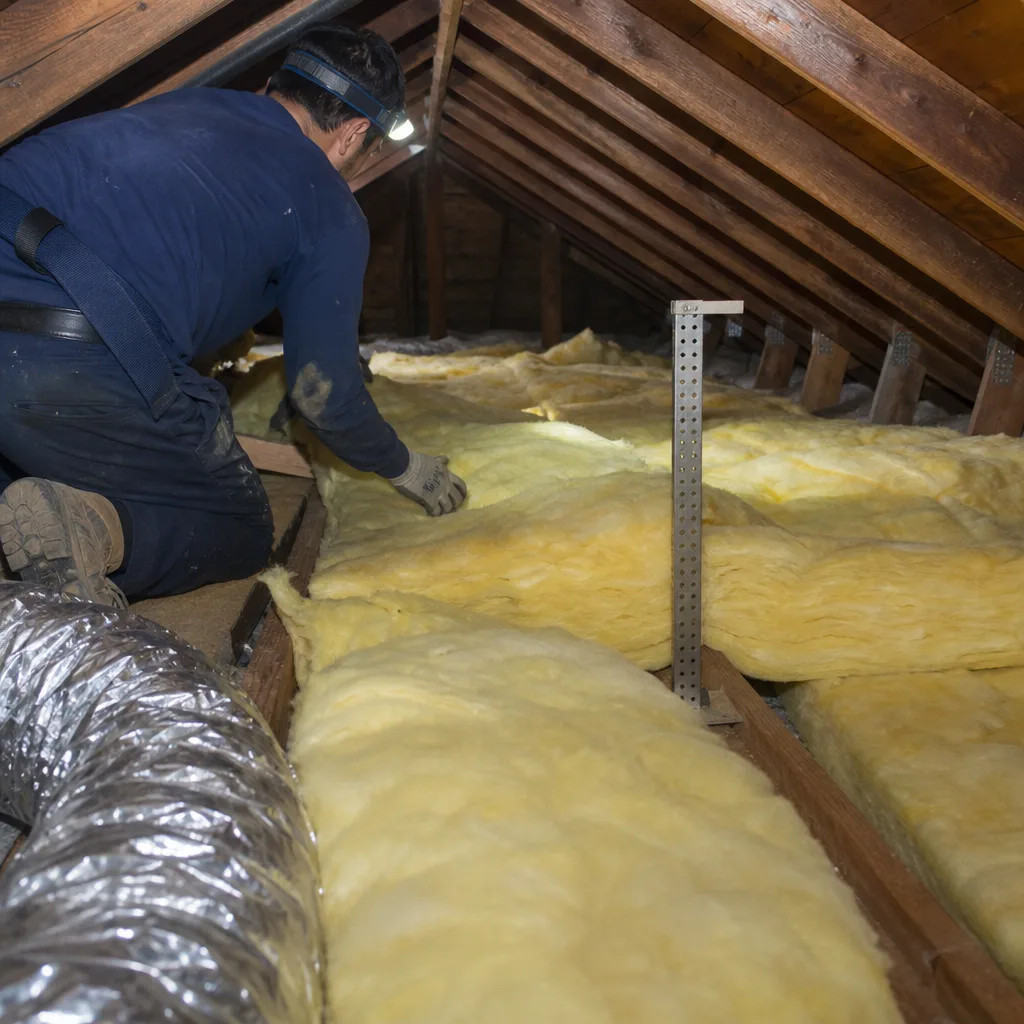
Wind washing is the least understood degradation mechanism in Glendale attics, and it’s particularly aggressive in hillside homes with continuous ridge vents and generous soffit ventilation. When outside air enters through soffit vents at velocity, it scours the insulation surface near the eaves, creating a pale, compressed band where the original color has faded and the material has packed down to a thin mat. The band typically extends 18 to 36 inches inward from the vent edge.
Why this matters in Glendale specifically: our combination of afternoon Santa Ana winds and steep roof pitches in neighborhoods like Oakmont View and Verdugo Woodlands creates higher vent velocities than flatland Los Angeles. A home that performs fine in Burbank can show significant wind washing in Glendale. The compressed band doesn’t just lose R-value locally; it creates a thermal bridge that pulls conditioned air upward in winter and radiates heat downward in summer.
To identify wind washing:
- Look for color change. Fresh blown-in fiberglass is pink, yellow, or white depending on brand (Owens Corning pink, Johns Manville yellow, CertainTeed white). Wind-washed areas fade to pale gray or off-white as dust and UV exposure bleach the surface.
- Feel for density change. The compressed band feels firm under hand pressure, almost like felt, versus the loose resilience of unaffected insulation.
- Check depth at the eave versus the center. A 3-inch or greater difference between your eave measurement and your center measurement, with the eave reading shallow, is diagnostic.
- Inspect baffle integrity. Properly installed vent baffles - cardboard or foam channels that maintain airflow above the insulation - should be visible and intact. Missing, collapsed, or improperly placed baffles are the root cause of most wind washing we correct.
The repair isn’t adding more insulation over the compressed band. That just buries the problem. The fix is removing the compacted material, installing or repairing baffles to direct airflow above the insulation plane, then replacing with fresh material to full depth. In our Attic Insulation in Glendale work, we photograph baffle condition before and after so homeowners can see the airflow path we’ve established.
Rockwool mineral wool resists wind washing better than fiberglass or cellulose due to its higher density and fiber structure, but no material eliminates the need for proper baffles. If you’re in a Glendale hillside home with persistent wind washing, material selection matters, but baffle installation matters more.
Spotting Rodent Intrusion and Why Exclusion Comes First
Rodent damage has a distinct signature that differs from settling or wind washing, and recognizing it early saves thousands in unnecessary insulation replacement. In Glendale, roof rats and mice access attics through gaps as small as a half-inch - utility penetrations, eave returns, chimney flashings, and the gaps where tile roofs meet fascia boards in Spanish Colonial and Mediterranean-style homes common in the Rossmoyne and Fremont Park neighborhoods.
What rodent activity looks like:
- Tunneling paths. Smooth, compressed troughs 2 to 3 inches wide where rodents repeatedly travel between nesting sites and food sources. These differ from foot-traffic compression by their winding, branching pattern and the presence of droppings or urine staining.
- Scattered, not settled. Insulation pulled away from top plates or ductwork in irregular patches, often with nesting material - shredded paper, fabric, plant matter - visible beneath.
- Odor. A sharp, ammonia-like smell that persists even in cool weather. This indicates active infestation, not historical presence.
- Grease marks. Dark smudges along rafters or pipes where rodent bodies have rubbed repeatedly, leaving sebaceous oils.
The critical rule: exclusion must precede any insulation repair. We’ve been called to Glendale homes where a contractor blew new cellulose over active rodent pathways, effectively entombing the problem and guaranteeing a repeat job within two years. Under our Haven Standard, we won’t install insulation until the building envelope is verified rodent-proof - that’s a written prerequisite, not a suggestion.
Exclusion means finding and sealing every entry point larger than a quarter-inch with rodent-proof materials: steel mesh, concrete, or metal flashing, never foam or wood that rats can chew. It means trimming tree branches to maintain 6-foot clearance from rooflines - a particular issue in Glendale’s mature-tree neighborhoods. And it means documenting the exclusion work with photos, because rodents will find the one gap you missed.
After exclusion and removal of contaminated material, we specify fresh insulation with borate treatment for rodent resistance. Cellulose treated with borates is unpalatable to rodents and resists insect infestation. Icynene open-cell spray foam, properly applied, eliminates the void spaces rodents prefer for nesting. The material choice follows the exclusion work, never precedes it.
Recognizing Moisture Damage in Glendale’s Climate
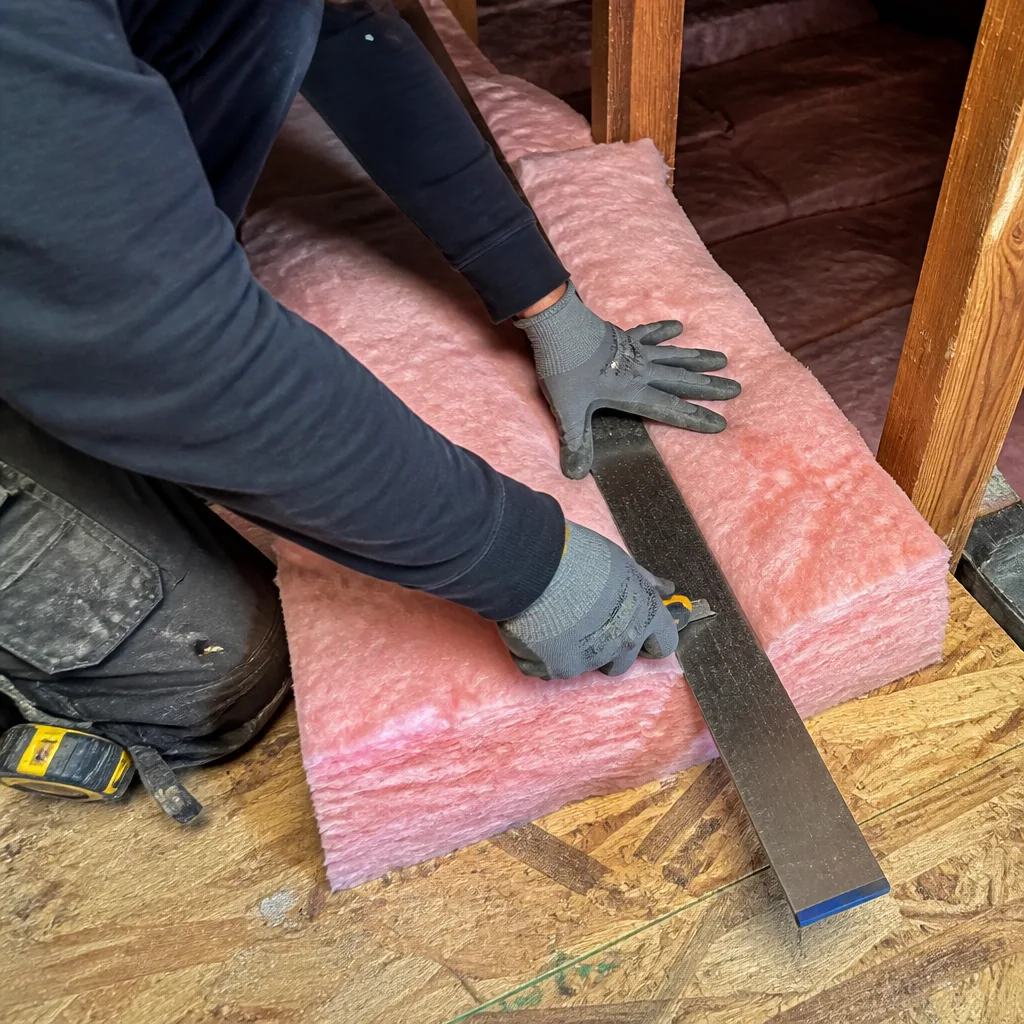
Moisture damage in Glendale attics follows patterns distinct from humid-climate regions, and misreading them leads to wrong repairs. Our Mediterranean climate - wet winters, dry summers, with marine layer influence some mornings - produces three moisture signatures that homeowners should learn to distinguish.
Cooling-season condensation. This is the most common moisture issue we find in Glendale. When attic ventilation is inadequate and summer afternoon attic temperatures exceed 140°F, ductwork carrying 55°F conditioned air sweats profusely. The moisture drips onto insulation below, creating localized clumping and compression. The signature: dark, hand-sized spots directly beneath flex duct runs, with surrounding insulation remaining dry and loose. The fix isn’t more insulation; it’s sealing and insulating the ductwork, then improving ventilation.
Winter rain intrusion. Actual roof leaks leave sharper signatures: water-stained sheathing, often following rafter lines, with insulation compressed and discolored in a V-pattern pointing toward the leak source. In Glendale’s occasional heavy winter storms, wind-driven rain enters through lifted tile edges or failed valley flashings. The insulation near the leak becomes matted and heavy, sometimes with mold at the sheathing edge within 2 to 4 weeks if ventilation is poor.
Construction debris staining. Many Glendale homes built between 1940 and 1980 have attic surfaces stained by historical tar, roofing cement, or fire-retardant treatments. This looks alarming - black or brown discoloration on sheathing - but is often cosmetic and stable. The distinction: staining without insulation clumping, without musty odor, and present uniformly across large areas rather than in discrete patches. We document this with photos so homeowners don’t pay for moisture remediation where none is needed.
What active mold looks like: fuzzy or powdery growth, typically green, black, or white, at sheathing edges where air circulation is weakest. In Glendale’s older homes with original soffit venting blocked by decades of paint, we’ve found mold concentrated at the north-facing eaves where morning marine layer moisture lingers longest. The remediation requires ventilation improvement first, then treatment, then insulation replacement - in that sequence.
For homes with chronic moisture issues, we sometimes specify Demilec closed-cell spray foam applied directly to the roof deck, converting the attic to conditioned space and eliminating the temperature differential that drives condensation. This is a significant investment, but in certain Glendale hillside homes with complex roof geometries that resist adequate venting, it’s the only durable solution.
The Three-Item Paper Record Every Homeowner Should Keep
Documentation transforms attic maintenance from guesswork into a trackable system. We require a Documented Photo Record on every job we complete - it’s included, not available on request - and we teach homeowners to extend that discipline into their own maintenance routine.
The paper record has three items, kept in a simple notebook stored with your home files:
- Date of inspection. March and October are optimal for Glendale - before summer cooling load and before winter heating season.
- Depth measurements at your five marked locations. Record each to the nearest quarter-inch, with the location identifier (A through E, or compass direction).
- Observed changes since prior visit. Note any new wind washing, rodent signs, moisture staining, or mechanical damage. A single sentence per observation is sufficient.
This record becomes invaluable when you sell your Glendale home - prospective buyers and their inspectors can see a maintenance history that most sellers cannot produce. It becomes essential when you need to warranty a claim - our 365-Day Done Right Promise requires documentation of the original condition, and your maintenance log extends that baseline. And it becomes diagnostic when problems emerge - a gradual 2-inch decline over four years suggests settling; a sudden 4-inch drop in six months suggests disturbance or removal.
We provide a template record sheet at the close of every attic job, with your five locations pre-marked on a simple attic diagram and baseline depths recorded from our installation. If you didn’t receive this, or if your home’s insulation predates our work, create your own. The format matters less than the consistency.
When to Inspect: Glendale’s Seasonal Timing
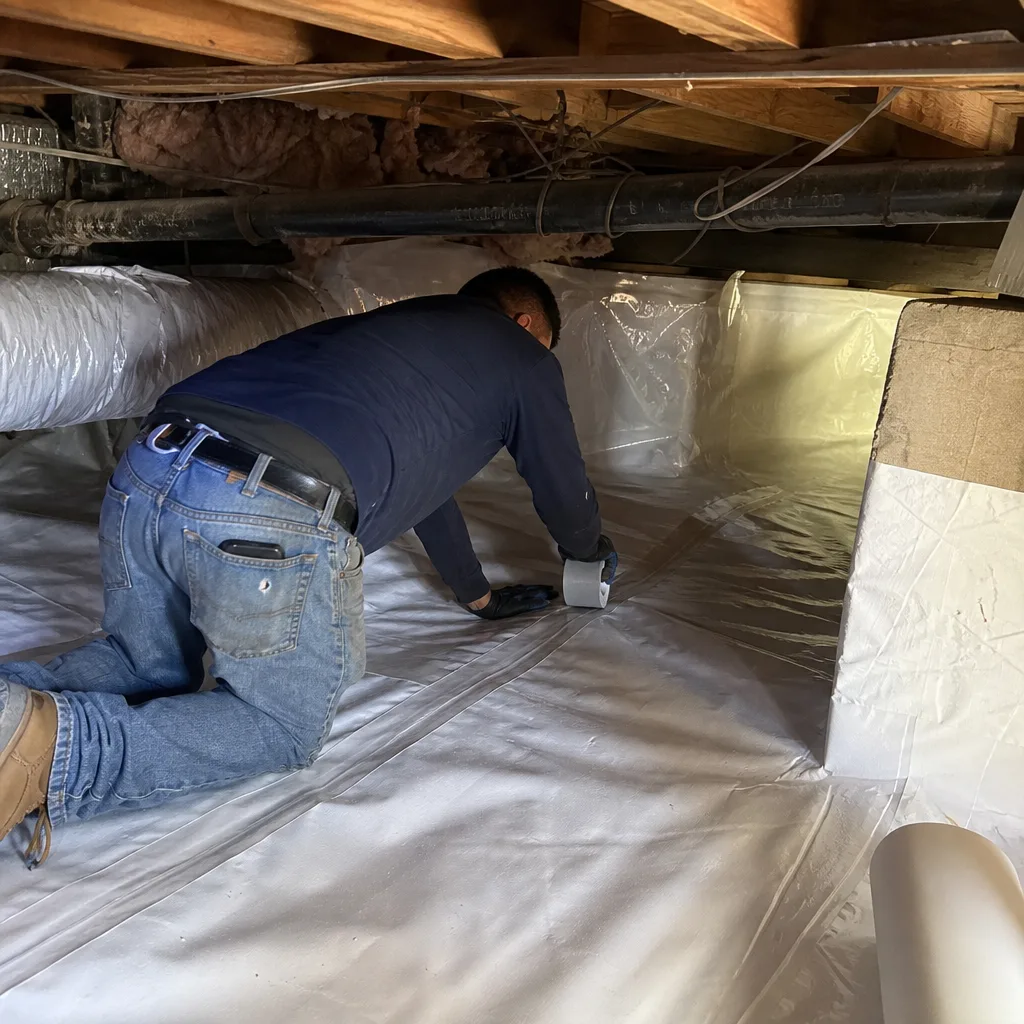
Timing matters for what you’ll observe and what you can do about it. Glendale’s climate creates two optimal inspection windows:
March inspection: After the last winter rains, before the first sustained heat. This is when moisture damage from winter is freshest and most visible - stains haven’t faded, mold hasn’t dried to powder, and any roof leaks are still active or recently active. It’s also when rodent activity is highest, as breeding season begins and animals are actively seeking nest sites. What you find in March determines what must be addressed before summer cooling loads make attic work miserable and expensive.
October inspection: After the summer heat peak, before winter heating season. This is when cooling-season condensation damage is most evident - those ductwork drip spots have had three months to develop. It’s also when you’ll best assess wind washing, as summer Santa Ana winds have had maximum opportunity to scour eave insulation. And it’s your last chance to verify rodent exclusion before winter drives animals to seek indoor shelter.
We avoid June through September for comprehensive inspections in Glendale attics - afternoon temperatures exceed 130°F, and the risk of heat-related injury outweighs the diagnostic value. If you suspect an active roof leak or rodent issue in summer, call for professional assessment rather than self-inspecting.
For Crawl Space Encapsulation & Vapor Barrier in Glendale homes, the timing shifts slightly - crawl spaces stay cooler and warrant inspection in April and November, when ground moisture conditions are transitional.
Common Mistakes to Avoid
- Adding insulation over unsealed air leaks. This is the most expensive mistake we correct. Every can light, top plate gap, and duct penetration leaks conditioned air directly into the attic. Blowing new material over these leaks buries them visually while doubling the airflow path through the insulation. Air sealing must precede insulation, always.
- Using a tape measure instead of a rigid ruler. The flexibility of a tape measure causes it to bow in loose-fill material, consistently reading 1 to 2 inches shallow. This creates false alarms or missed problems. An 8-inch wooden ruler costs $2 and eliminates this error.
- Inspecting only near the attic hatch. The hatch area is the most trafficked, most compressed, and least representative location in the entire attic. Your five marked spots must distribute across the full footprint, including the farthest corners where wind washing and rodent activity often begin.
- Treating all discoloration as mold. Glendale’s older homes have decades of construction residue, fire-retardant treatment, and historical roof repairs that stain sheathing without indicating active moisture. Unnecessary mold remediation costs $2,000 to $5,000. Learn to distinguish cosmetic staining from active growth before calling a remediator.
- Replacing insulation without excluding rodents first. New insulation in a rodent-accessible attic is a temporary amenity, not a repair. We’ve removed year-old cellulose that was fully tunneled and contaminated because the homeowner’s contractor skipped exclusion. The Haven Standard requires verified exclusion before any insulation installation.
- Ignoring baffle condition during wind washing repairs. Adding insulation to a wind-washed eave without fixing baffles guarantees recurrence within two years. The baffle is the permanent solution; the insulation is just the thermal component.
- Not recording baseline measurements at installation. Without a written baseline, you cannot prove settling, cannot warranty a claim, and cannot distinguish normal aging from damage. We provide this documentation on every job; if your installer didn’t, create your own before another season passes.
When to Call a Professional
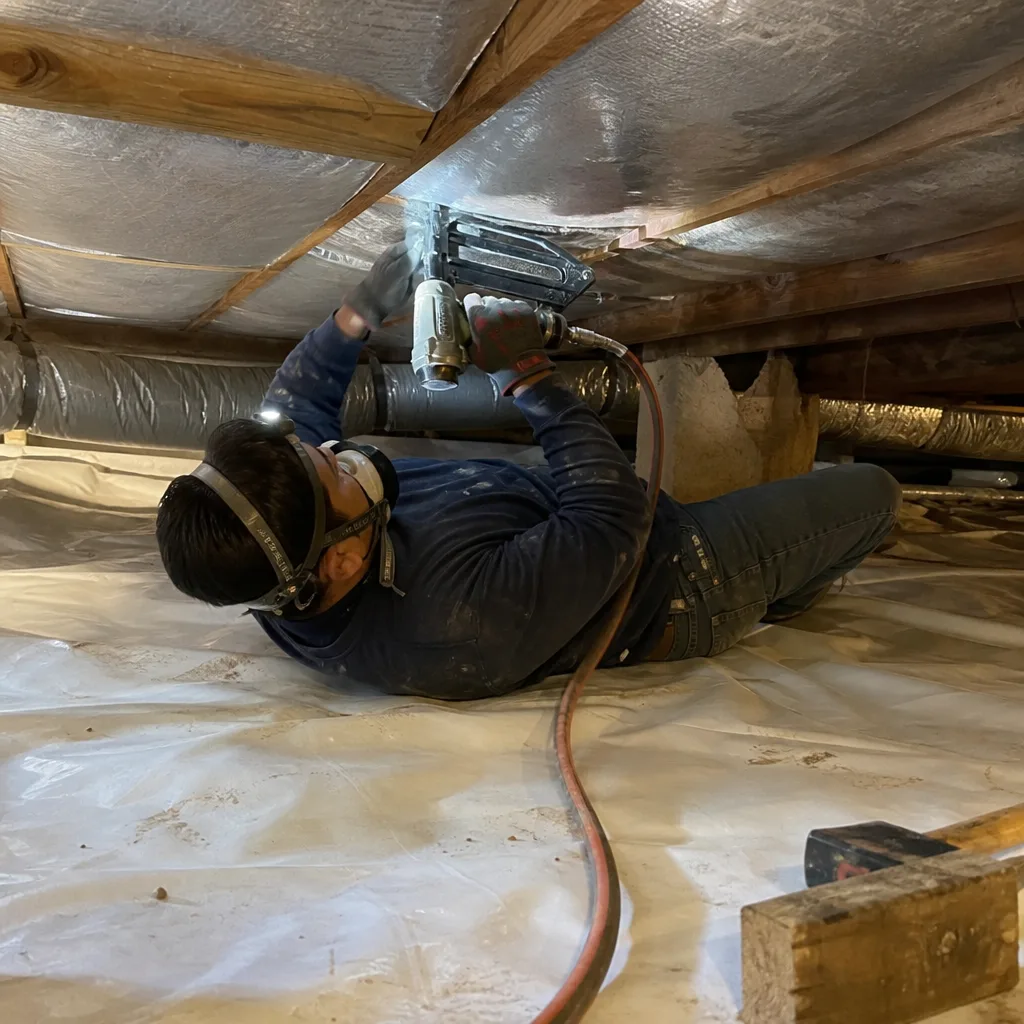
Some attic conditions exceed homeowner maintenance and require professional assessment. Call when: depth has dropped more than 2 inches from baseline at any marked location; you find moisture staining with active mold, musty odor, or sheathing softness; rodent droppings, tunneling, or odor indicate active infestation; wind washing extends more than 36 inches from eave vents; or your energy bills have increased 15 percent or more without usage change and attic inspection reveals no obvious cause.
Topside Attic Insulation Glendale offers free estimates in Glendale - call (213) 474-3828. Every estimate includes a written scope, written price before any work starts, and a Documented Photo Record of conditions found. On applicable jobs, we provide before-and-after blower-door numbers so you can verify the air-sealing result in a single figure. Our 365-Day Done Right Promise applies to all completed work.
Frequently Asked Questions
Twice yearly, in March and October, with a quick visual check after any major weather event or home service visit that required attic access. March catches winter moisture and pre-breeding rodent activity; October assesses summer condensation and wind washing before heating season. Call (213) 474-3828 if you find anything outside normal variance - estimates are free.
Most attic insulation jobs in a typical Glendale home run between $2,800 and $6,500, depending on square footage, material type, and whether air sealing or rodent exclusion is needed first. Spray foam conversion of the roof deck runs higher, typically $8,000 to $14,000. We provide a written price before any work starts - no exceptions - and offer a Free Second Opinion on any competing written estimate. Call (213) 474-3828 for exact pricing on your home.
Only if the old insulation is dry, uncontaminated, and properly air-sealed beneath. In Glendale, we commonly find old insulation with rodent damage, moisture compaction, or wind washing that makes it unsuitable as a base. Covering damaged material buries the problem and creates conditions for mold or continued rodent activity. We assess the existing layer’s condition before recommending any addition - it’s documented in your photo record.
The Los Angeles basin climate zone calls for R-38 to R-60 in attics. Most Glendale homes built before 2010 have R-19 to R-30, below current code. However, R-value alone is misleading without air sealing - a leaky R-60 attic performs worse than a tight R-38 attic. Our Topside Attic Insulation Glendale home assessments measure both insulation depth and blower-door leakage to specify the right combination of sealing and insulation for your home.
Wind washing is a performance problem, not cosmetic. The compressed band at eaves creates a thermal bridge that can reduce whole-attic effective R-value by 10 to 15 percent even when the center depth reads full. In Glendale’s hillside homes with aggressive ventilation, we’ve measured blower-door improvements of 800 CFM50 or more after proper baffle installation and eave repair - a meaningful reduction in conditioned air loss.
Check for continuous soffit intake vents, ridge or gable exhaust vents, and intact baffles maintaining the airflow channel above insulation. In Glendale, inadequate ventilation shows as summer attic temperatures exceeding 140°F, visible moisture on ductwork or sheathing nails, or premature shingle deterioration. We evaluate ventilation as part of every attic assessment and specify corrections when the existing system cannot support the insulation performance you’re paying for.
The Bottom Line
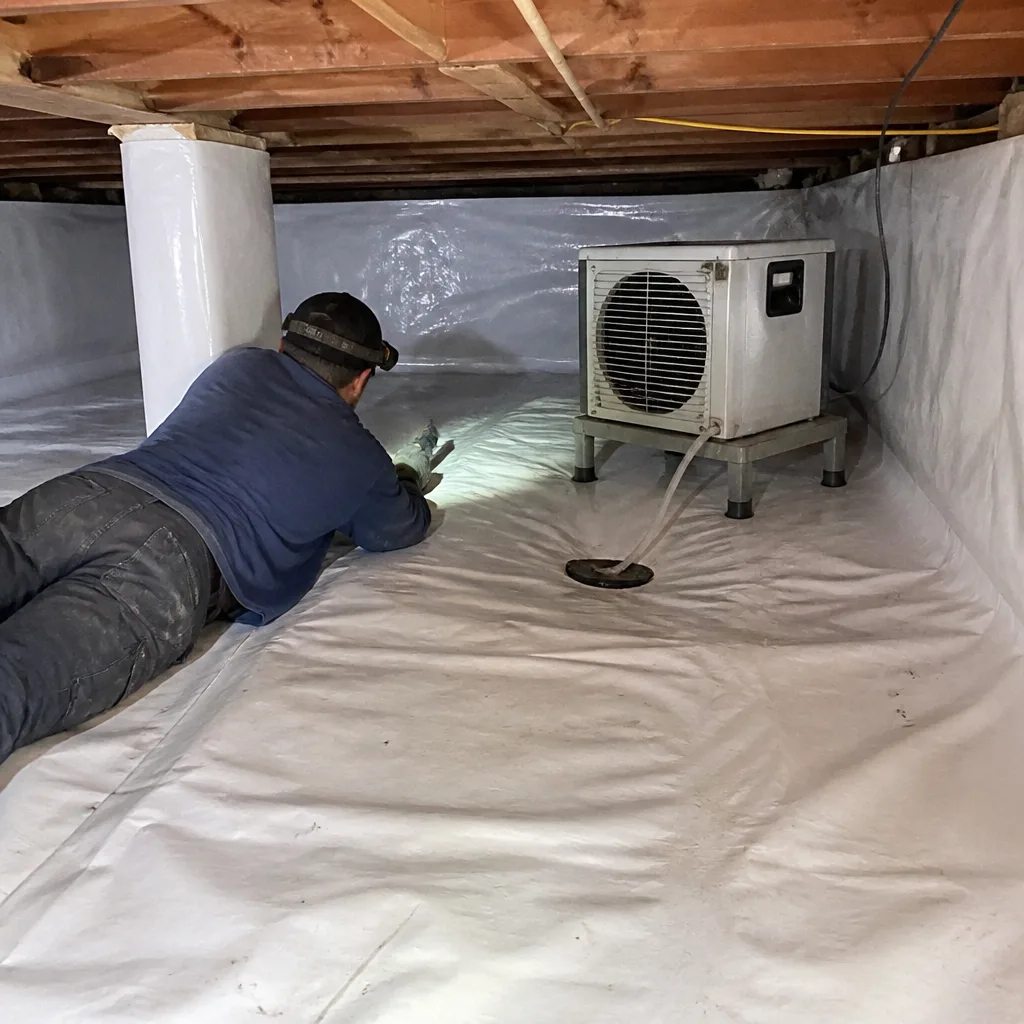
Attic insulation maintenance in Glendale is a twice-yearly inspection routine, not a replacement cycle. For more guides & resources, Learn to read the four signatures - settling depth loss, wind washing bands, rodent tunneling, and moisture clumping - and you catch degradation while it’s still correctable. Use a rigid ruler at five marked locations, keep a three-item paper record, and address problems in the right sequence: exclude rodents before replacing insulation, seal air leaks before adding material, fix baffles before topping up eave depth. The homeowners who maintain this discipline avoid the surprise of a $5,000 replacement job triggered by a $200 maintenance issue ignored for three years.
Written by Wes Okafor, Owner at Topside Attic Insulation Glendale, serving Glendale since 2016.