
Last updated September 23, 2026
How to Hire a Insulation Contractor in Glendale: A Step-by-Step Guide
Ask an insulation contractor for their last three blower-door test results. If they don’t own a blower door, everything they say about your home’s “energy performance” is an estimate with no verification attached. In Glendale, we’ve reviewed hundreds of competing bids over nine years, and the pattern is consistent: most quote the material install while omitting air sealing entirely. Homeowners end up comparing two fundamentally different scopes of work without knowing it. This guide gives you the four questions that expose those gaps before any contract is signed, and you can find more guides & resources on our blog.
Quick Answer
To hire an insulation contractor in Glendale, verify their CSLB C-2 license is active, demand a written price before work starts with three specific line items (air sealing scope, material spec with R-value and brand, post-install verification), and ask for their last three blower-door test results with printed reports. A legitimate contractor in Glendale will have all four ready without hesitation.
Table of Contents
- Verify the License: The Two-Minute CSLB Check
- How to Read a Bid Line-by-Line: Three Line Items That Must Appear
- The Blower-Door Test: What to Ask and What the Answers Mean
- Why “Written Price Before Any Work Starts” Is Non-Negotiable
- Glendale-Specific Red Flags in Insulation Bids
- Material Specs: Reading R-Values and Brand Names
- Common Mistakes to Avoid
- When to Call a Professional
- Frequently Asked Questions
- The Bottom Line
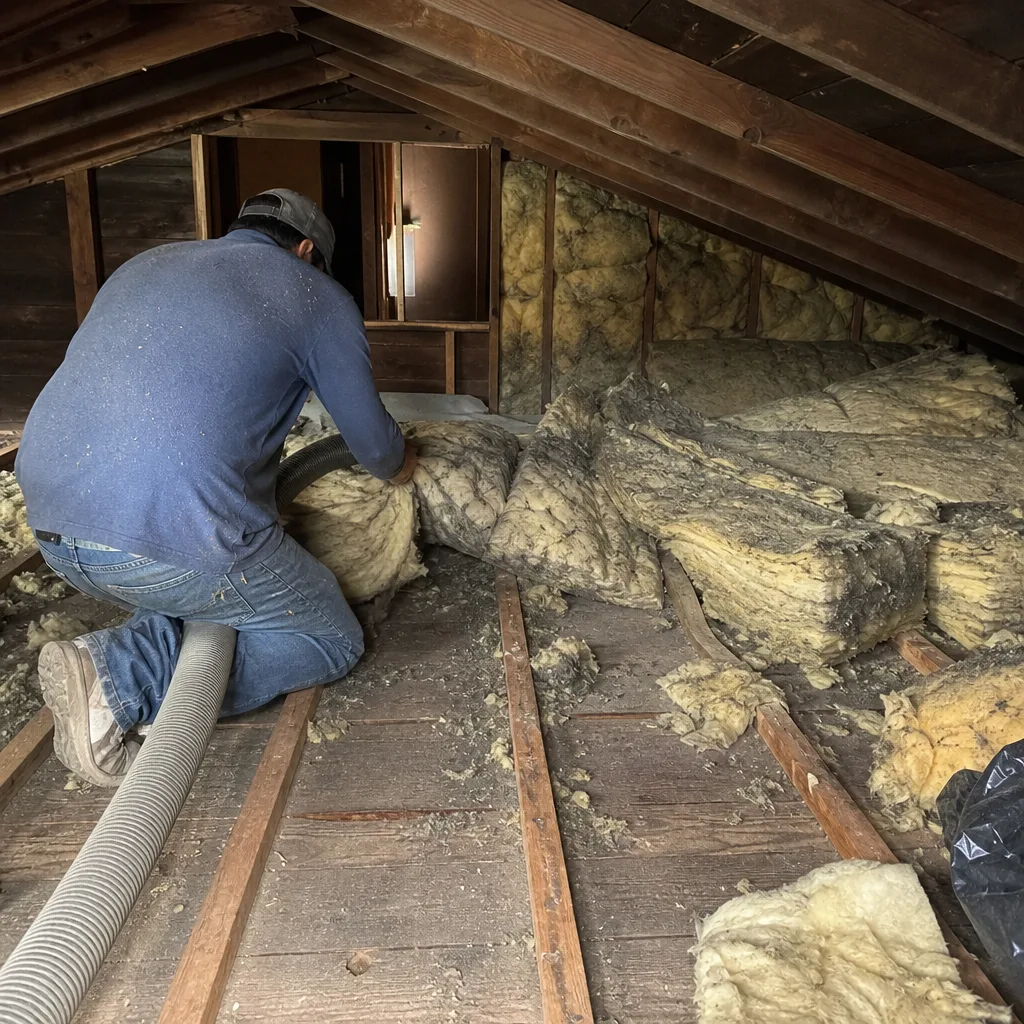 Before
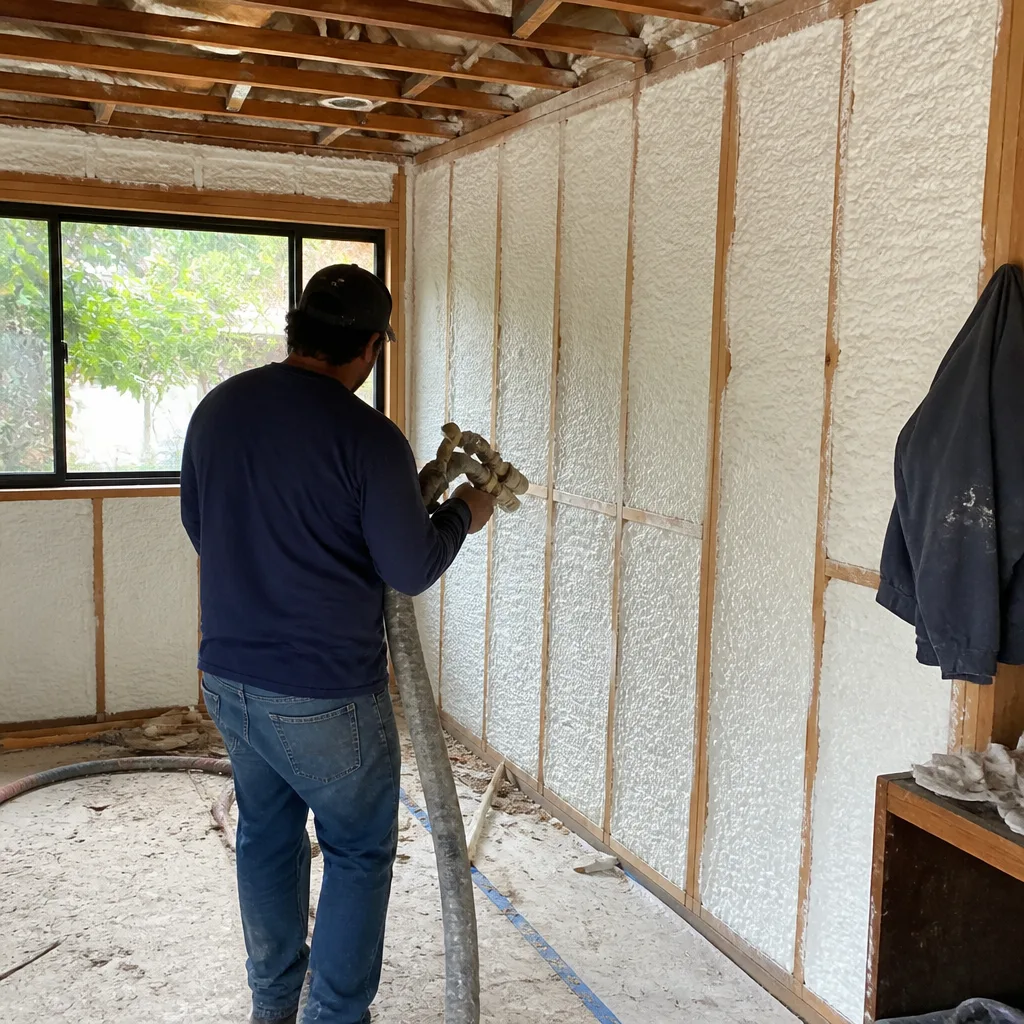 After
AfterVerify the License: The Two-Minute CSLB Check
Every insulation contractor working in Glendale must hold a C-2 Insulation and Acoustical Contractor license from the California State License Board. Not a B General Building license. Not a handyman registration. The C-2 classification is specific to thermal insulation and acoustic material installation, and it is the only license that legally permits a contractor to bid insulation as a standalone trade in California.
Here is the exact verification process. It takes under two minutes:
- Go to cslb.ca.gov and click “Check License.”
- Enter the contractor’s business name or six-digit license number.
- Confirm the status reads “Active” - not “Suspended,” “Cancelled,” or “Inactive.”
- Click into the license detail and verify the C-2 classification appears in the list. Some contractors hold multiple classifications; C-2 must be among them.
- Check that the Workers’ Compensation Insurance section shows current coverage or a valid exemption certificate. In California, this is mandatory for any contractor with employees.
- Note the bond status. A $25,000 contractor’s bond is required for active licensure.
We check competitor licenses quarterly in Glendale. Roughly fifteen percent of active insulation bids come from contractors whose C-2 classification has lapsed or who are operating under a different license class entirely. A B General Building contractor can legally perform insulation work only if it is incidental to a larger project. If you are hiring for insulation specifically, C-2 is the floor.
One additional check: verify the business name on the CSLB record matches the name on the bid. We have seen cases in the Glendale market where a contractor presents a bid under one business name while holding a license under another, often a dissolved entity. This mismatch voids your recourse through the CSLB complaint process if something goes wrong.
How to Read a Bid Line-by-Line: Three Line Items That Must Appear
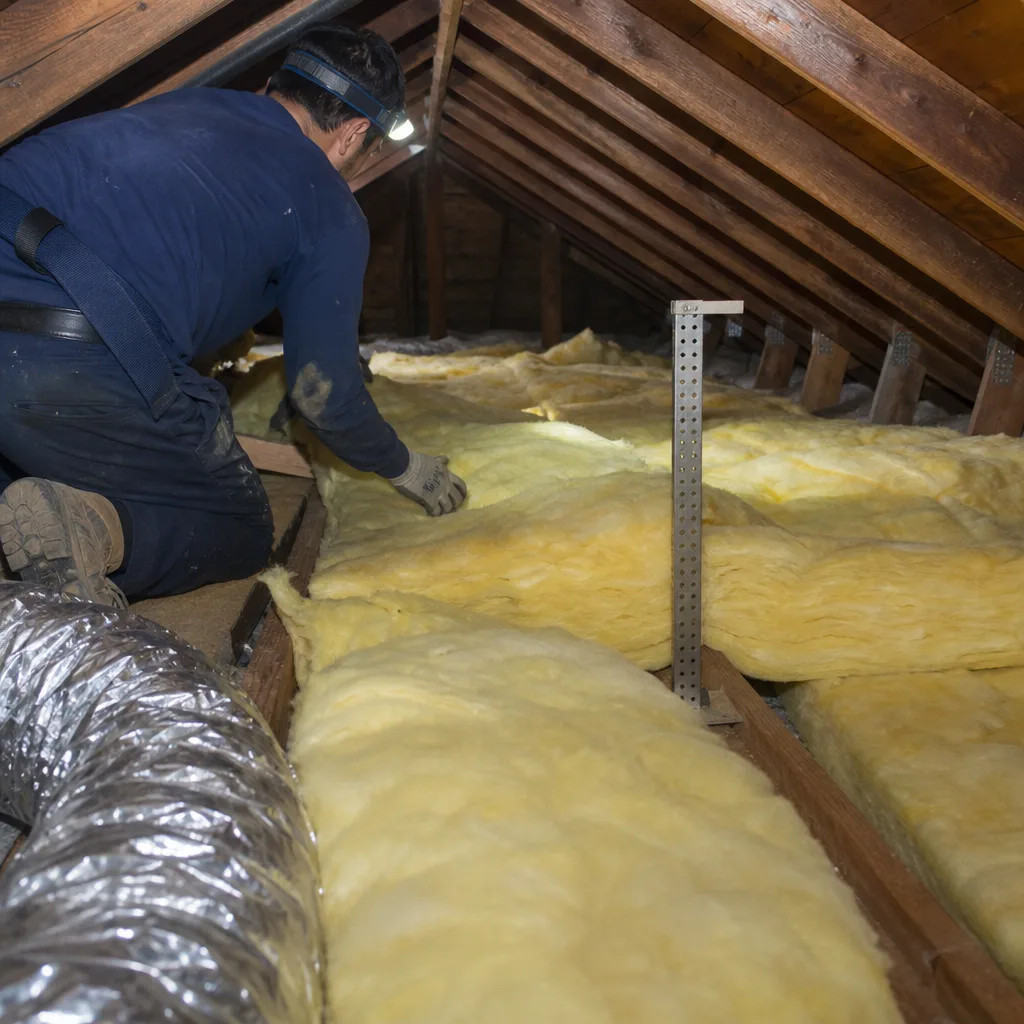
Most insulation bids in Glendale contain a single lump sum: “Insulate attic to R-38, $X.” This is insufficient. A complete scope of work contains three distinct line items. Their absence signals that the contractor is either unaware of building science fundamentals or deliberately omitting work to hit a lower price point.
Line Item 1: Air Sealing Scope
The air sealing scope must specify which penetrations will be sealed, with what material, and to what standard. At minimum, this should include:
- Top plates (the horizontal framing member where walls meet the attic floor)
- Recessed can light housings and electrical penetrations
- Plumbing vent stacks and chimney chases
- HVAC duct boots and register boots
- Attic access hatch or pull-down stair perimeter
The material specification matters. Mastic sealant on duct boots performs differently than foil tape. Fire-rated caulk around chimney chases is code-required and non-negotiable. A bid that says “air sealing included” without listing these elements is not a scope. It is a placeholder.
In Glendale’s climate, air sealing is not an upgrade. The LA Basin sees significant diurnal temperature swings, particularly in the foothill neighborhoods like Chevy Chase Canyon and Glenoaks Canyon. Unsealed top plates and can lights drive stack effect air movement that bypasses insulation entirely. R-38 batts over a leaky attic floor perform like R-19 in practice. We have measured this. The blower-door test proves it.
Line Item 2: Material Specification with R-Value and Brand
The bid must state the insulation material, the installed R-value, and the manufacturer. “Fiberglass, R-38” is not enough. Acceptable specifications look like this:
- “Owens Corning ProPink L77 loose-fill fiberglass, R-38 installed depth per manufacturer coverage chart”
- “Icynene Classic Plus open-cell spray foam, 5.5 inches nominal thickness, R-3.7 per inch”
- “GreenFiber All Borate cellulose, R-38 settled depth per ASTM C739”
The R-value must reference the installed condition, not the material’s nominal rating. Settled cellulose loses R-value if installed below minimum density. Spray foam R-value varies by thickness and application conditions. A bid without brand and installed specification leaves you no basis for verification.
We source materials from Owens Corning, Johns Manville, Knauf, Rockwool, CertainTeed, Icynene, Demilec, and GreenFiber depending on the application. No proprietary lock-in. The bid should tell you which one you’re getting and why.
Line Item 3: Post-Install Verification Method
The bid must state how the contractor will verify the work. This is where most Glendale bids fall apart entirely. Acceptable verification methods include:
- Blower-door test with pre- and post-work CFM50 readings and printed report
- Infrared thermal imaging scan of insulated surfaces with digital documentation
- Depth marker inspection with photo documentation at minimum twelve locations
A bid that promises “quality inspection” without specifying the method is unverifiable. Under the Haven Standard, every job we complete in Glendale includes a Documented Photo Record and, on applicable jobs, before-and-after blower-door numbers so the homeowner can verify the air-sealing result in a single figure.
The Blower-Door Test: What to Ask and What the Answers Mean
A blower-door test is a pressurization measurement that shows, in one number, how much air your building envelope is losing. The equipment consists of a calibrated fan mounted in an exterior door frame, plus pressure sensors that measure the airflow required to maintain a 50 Pascal pressure difference between inside and outside. The result is expressed in CFM50 - cubic feet per minute at 50 Pascals.
Here are the three questions to ask any Glendale insulation contractor about their blower-door protocol:
- “When do you run the test?” The correct answer is: before any air sealing or insulation work begins, and again after all work is complete. A contractor who tests only at the end has no baseline and cannot demonstrate improvement. A contractor who never tests is guessing.
- “What pressure do you test at?” The standard is 50 Pascals. Some contractors test at 25 Pascals in older homes fearing window damage. This is defensible with written homeowner consent, but the result is not comparable to standard datasets. Ask for the pressure and the reason.
- “Do you provide a printed report with pre- and post-numbers?” The answer should be yes, with the report including CFM50, ACH50 (air changes per hour at 50 Pascals), and a leakage location summary if infrared was used. Verbal results are not documentation.
In our experience across Glendale, from the 1920s Spanish Revivals in Rossmoyne to the post-war tract homes in Somerset, pre-work CFM50 readings typically range from 3,500 to 7,000. After comprehensive air sealing and insulation, we regularly see reductions of forty to sixty percent. Without the test, these are just claims. With the test, they are documented performance.
One caveat: blower-door testing requires training and certification. The Topside Attic Insulation Glendale home team holds Building Performance Institute certification for envelope and mechanical systems. Ask your contractor for their certifying body. If they cannot name one, they likely rented the equipment without training.
Why “Written Price Before Any Work Starts” Is Non-Negotiable
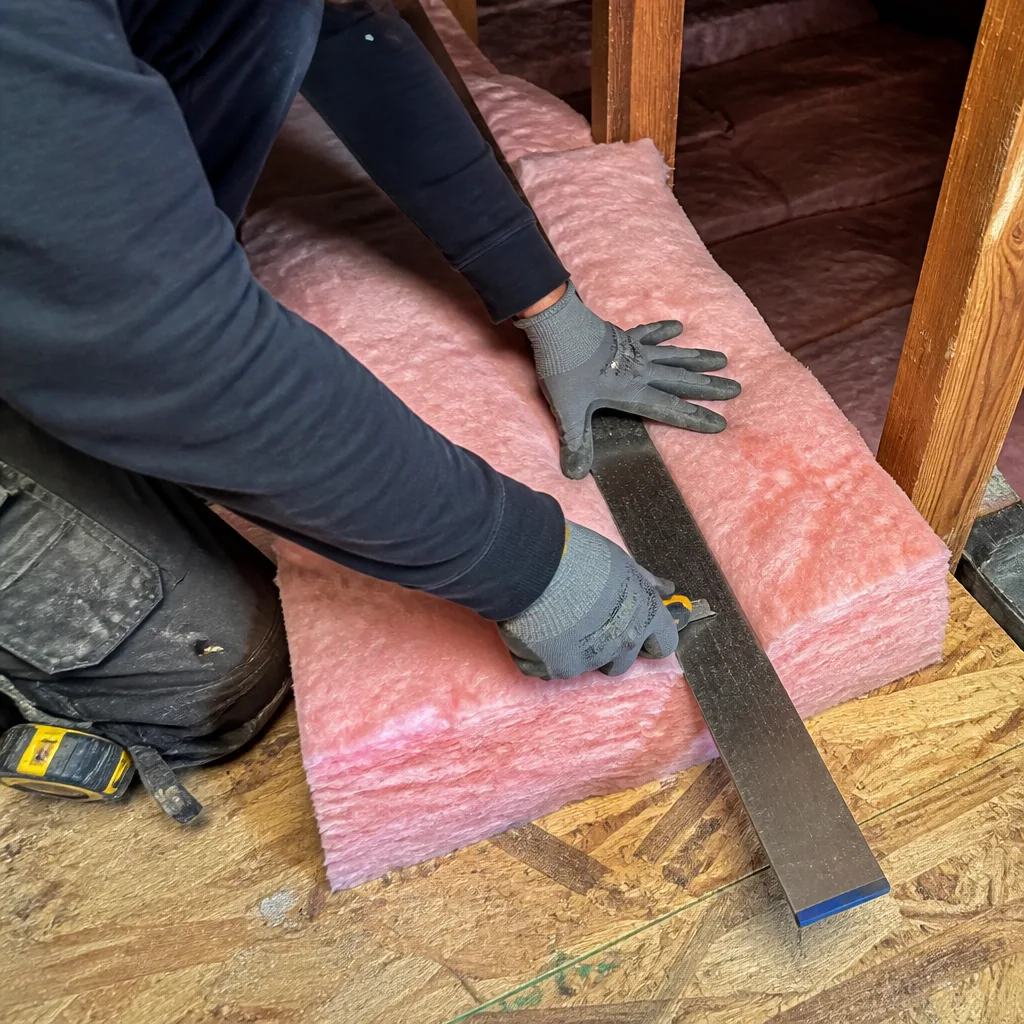
The most common financial dispute we see in Glendale insulation jobs is not fraud. It is scope drift. A contractor provides an “estimate” of $3,200, begins work, then discovers “additional air leaks” or “insufficient existing insulation” and presents a revised price of $5,800 with the crew already in the attic.
This is preventable. Under Haven Standard Clause 1, every job begins with a flat price, written scope, and written warranty before anyone lifts a tool. The written price is not an estimate. It is a fixed contract price based on a defined scope of work. If the scope changes, the change order is written and signed before additional work proceeds.
Here is what a legitimate written price document contains:
- Line-item scope of work with material specifications and quantities
- Fixed total price with payment schedule
- Start date and estimated completion date
- Written warranty terms, including duration and coverage limits
- Contractor’s CSLB license number and insurance certificate reference
- Notice of cancellation rights under California Civil Code Section 1689.5
We have completed over 9,000 homes since 2016. Every one began with a written price before work started and closed with a documented record when the crew left. No exceptions. A contractor who cannot commit to this in writing is either inexperienced or intends to adjust the price once you are committed.
Our Free Second Opinion on Any Written Estimate exists for exactly this scenario. Bring us a competing quote and we will read it with you, line by line, and identify what is missing.
Glendale-Specific Red Flags in Insulation Bids
The Glendale insulation market has characteristics that create specific risk patterns. These are not theoretical. We encounter them in bid reviews weekly.
Red Flag 1: R-Value Upgrades with No Penetration Sealing
A bid that proposes increasing attic insulation from R-19 to R-38 without mentioning top plates, can lights, or duct boots is incomplete. In Glendale’s climate zone, Title 24 requires specific air sealing measures as prerequisites to insulation upgrades in many retrofit scenarios. More critically, the physics do not work. Adding R-value over an unsealed attic floor is like adding a thicker blanket over a window you have left open. We will not do it. Any contractor who proposes this either does not understand building science or does not care.
Red Flag 2: “LA Basin Standards” Instead of Title 24
California’s energy code is Title 24, Part 6. It is not optional. It is not regional. A contractor who cites “LA Basin standards” or “industry standard for this area” rather than specific Title 24 table references, particularly Table 150.1-A for prescriptive insulation requirements, is either unfamiliar with code or hoping you are. For details on the regulatory requirements, see Insulation Permits, Codes & Inspections in CA: What You Need to Know. Ask for the specific Title 24 section their bid complies with. A qualified contractor can cite it immediately.
Red Flag 3: Vague Material Descriptions on Spray Foam Bids
Glendale has seen increased spray foam installation in recent years, particularly in the hillside homes above Brand Boulevard where irregular framing and conditioned attics make batts impractical. Spray foam bids must specify open-cell versus closed-cell, nominal thickness, and installed density. “Spray foam, R-21” is meaningless. Open-cell Icynene at 5.5 inches performs differently than closed-cell Demilec at 3 inches, with different vapor permeance characteristics that matter in our climate. The bid must say which one and why.
Red Flag 4: No Mention of Attic Ventilation
Glendale’s combination of hot, dry summers and occasional Santa Ana wind events makes attic ventilation critical. A bid that adds insulation without assessing existing soffit, ridge, or gable ventilation can create moisture problems or reduce shingle life. In homes near the Verdugo Mountains where wind-driven rain is more common, this is particularly relevant. The bid should note whether existing ventilation is adequate or whether modifications are recommended.
Red Flag 5: Cleanup and Disposal Omissions
Insulation removal, common in older Glendale homes with degraded fiberglass or rodent contamination, generates significant waste volume. The bid must specify whether removal, disposal, and attic cleaning are included. We have seen cases where homeowners assumed “replace insulation” included removal of the old material. It did not. The crew arrived to install over existing, contaminated insulation. Ask explicitly.
Material Specs: Reading R-Values and Brand Names
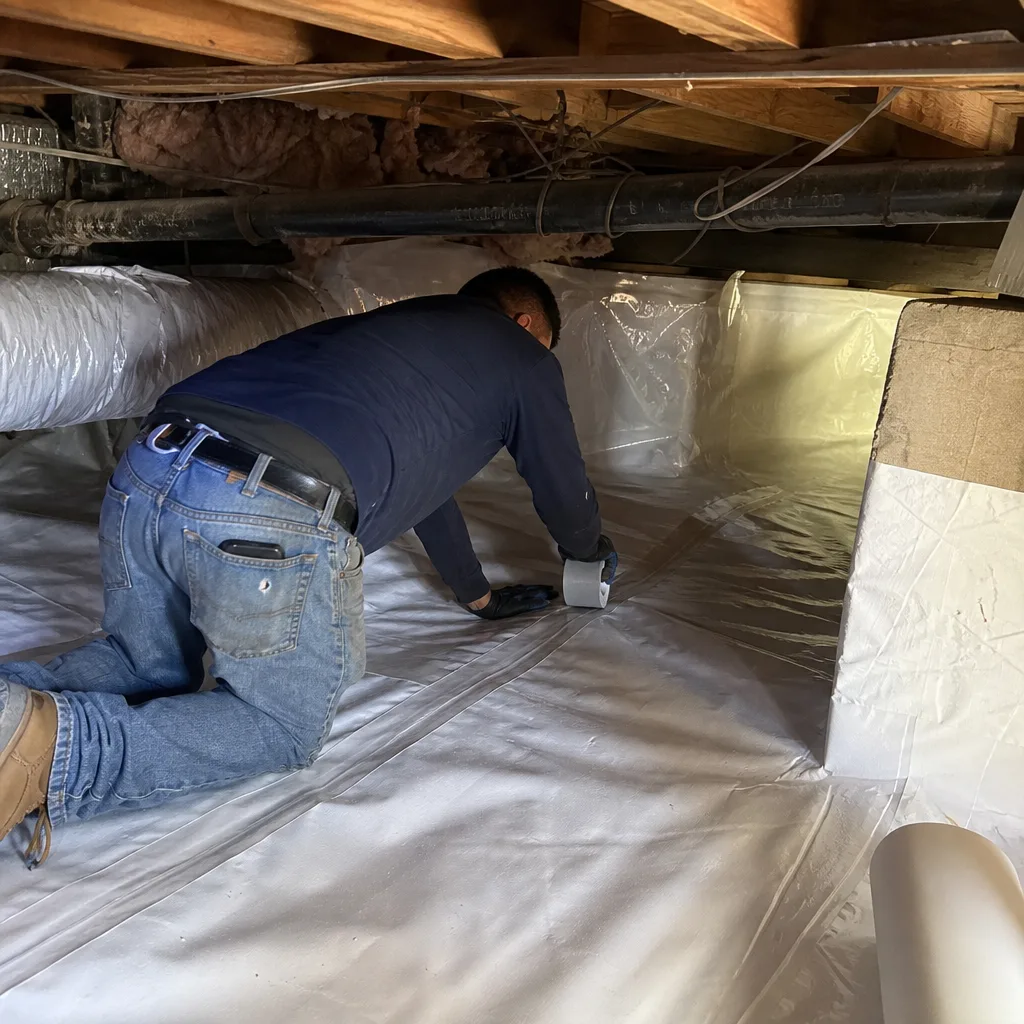
R-value measures thermal resistance per inch of material. Higher is better, but the installed performance depends on application quality, air sealing, and whether the material achieves its rated thickness without gaps or compression.
Here is how common materials perform in Glendale conditions:
- Loose-fill fiberglass (Owens Corning L77): R-2.5 per inch, settles minimally, good for open attics with consistent joist spacing. Requires proper depth markers and even distribution.
- Cellulose (GreenFiber All Borate): R-3.2 per inch, higher density reduces air movement, but requires minimum installed weight per square foot to achieve rated R-value. Settles over time if under-blown.
- Open-cell spray foam (Icynene Classic Plus): R-3.7 per inch, expands to fill irregular cavities, vapor-permeable. Good for conditioned attics and complex framing in hillside homes.
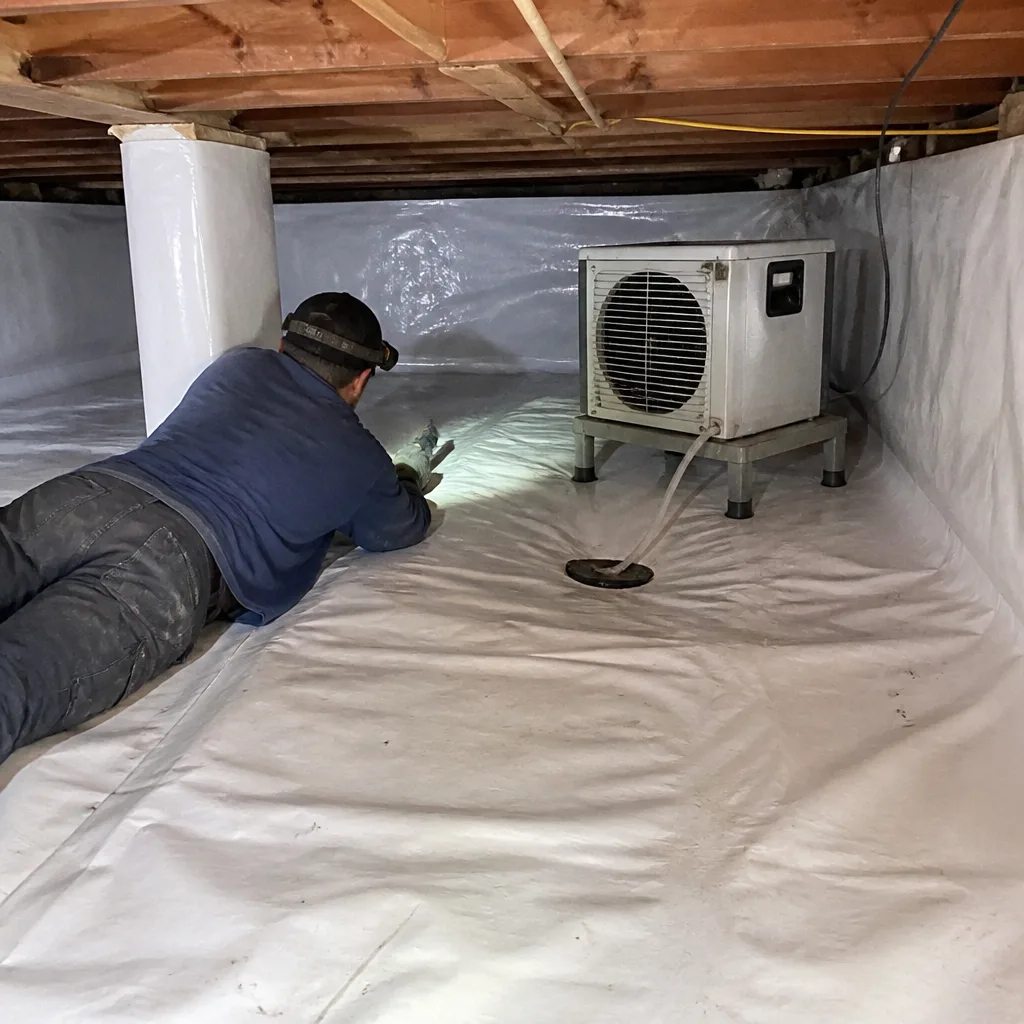
- Closed-cell spray foam (Demilec Heatlok HFO): R-6.5 per inch, vapor barrier at 2+ inches, higher cost per R-value but maximum performance in limited space. Often used in Crawl Space Encapsulation & Vapor Barrier in Glendale applications where ground moisture is present.
The brand matters for quality consistency and warranty support. We do not use proprietary products with no third-party certification. Every material we install carries a manufacturer warranty that transfers to the homeowner, documented in the written scope.
For Attic Insulation in Glendale, the typical specification is loose-fill fiberglass or cellulose to R-38 in vented attics, or open-cell spray foam to R-30 in conditioned attics per Title 24 compliance paths. Wall insulation in existing construction is typically limited to dense-pack cellulose or injection foam unless the wall cavity is open for other renovation.
Common Mistakes to Avoid
- Hiring based on price per square foot alone. A low price per square foot often means no air sealing, lower installed R-value than specified, or no verification. The meaningful comparison is total project cost for identical scope.
- Accepting a verbal price or handshake agreement. California law requires a written contract for home improvement work over $500. More practically, without written scope you have no recourse when the finished work does not match your understanding.
- Ignoring the existing insulation condition. In Glendale’s older neighborhoods like Adams Hill and Mariposa, attics may contain vermiculite, degraded fiberglass, or rodent-contaminated material. Installing over this is a health hazard and code violation. The bid must address existing material.
- Assuming all spray foam is the same. Open-cell and closed-cell have different vapor permeance, cost, and application requirements. A contractor who does not explain which type they are proposing and why is not making a recommendation. They are making a sale.
- Neglecting to verify insurance. Ask for a certificate of insurance naming you as additional insured for the project duration. General liability and workers’ compensation are minimums. We carry both, plus commercial auto, and provide certificates on request without delay.
- Not asking about the crew. Background-checked, uniformed technicians are standard for legitimate contractors. Ask who will be in your home. Under Haven Standard, you get a named technician and a text when they are on the way.
- Failing to document pre-existing conditions. Photos of attic conditions before work protects both parties. Our Documented Photo Record on Every Visit is included, not available on request. You receive it automatically.
When to Call a Professional
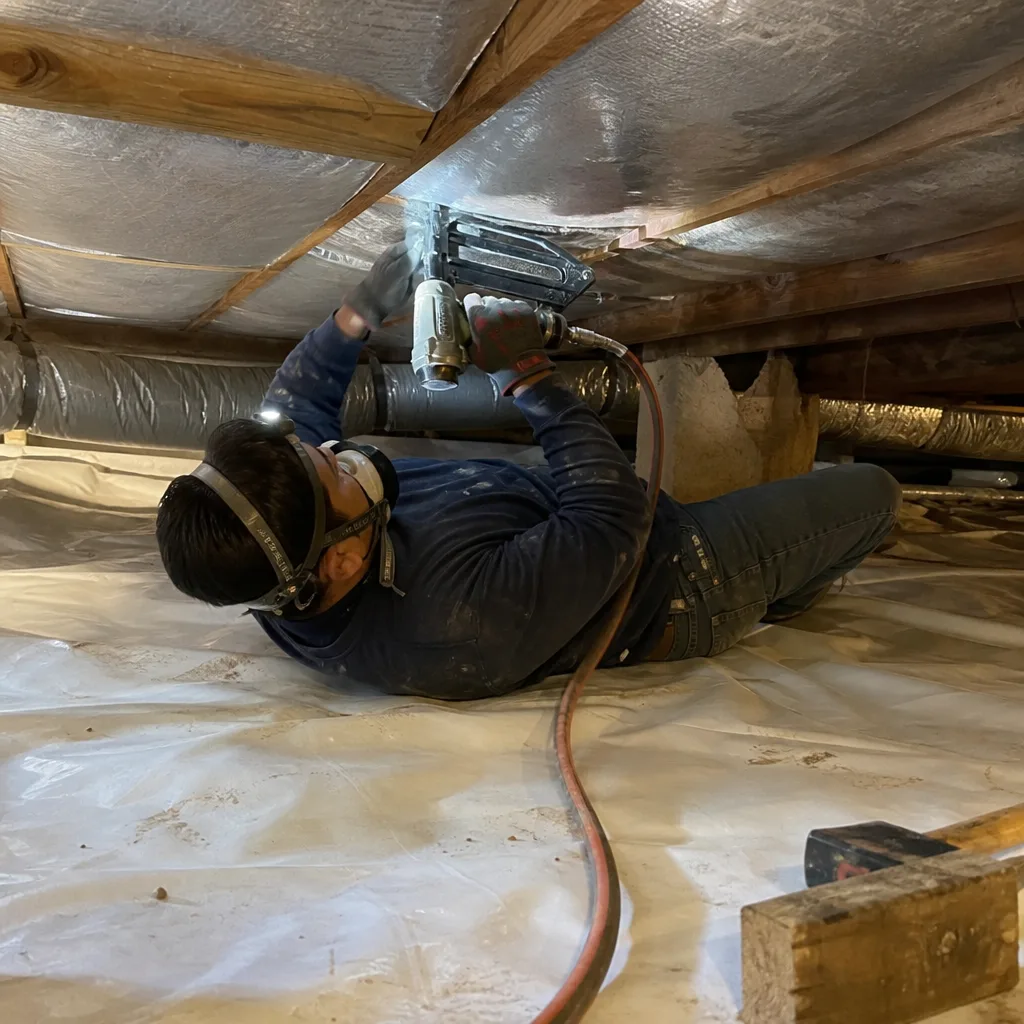
Call a professional insulation contractor when your energy bills are rising without rate increases, when rooms have persistent temperature differences, when you can see floor joists above existing attic insulation, or when you are planning any renovation that opens walls or ceilings. If you’re unsure whether your home shows symptoms, read our Insulation Warning Signs: A Glendale Homeowner’s Reference Guide. In Glendale, homes built between 1945 and 1985 are particularly likely to have insufficient or degraded insulation.
Topside Attic Insulation Glendale offers free estimates in Glendale. Every estimate includes a written scope and written price before any work starts. Call (213) 474-3828 to schedule. A live person answers 24/7. No voicemail loops, no callback windows measured in business days.
Frequently Asked Questions
For a detailed breakdown of what drives these numbers, see our Insulation Cost Breakdown: The Glendale Homeowner’s Reference for 2026. Most attic insulation jobs in a Glendale home of 1,500 to 2,500 square feet run between $2,800 and $5,400 for complete air sealing plus loose-fill fiberglass or cellulose to R-38. Spray foam in a conditioned attic typically ranges from $4,500 to $9,000 depending on accessibility and thickness. These ranges include material, labor, air sealing of top plates and penetrations, and post-install verification. Call (213) 474-3828 for an exact quote for your home - estimates are free and come with a written price before any work starts.
A C-2 Insulation and Acoustical Contractor license from the California State License Board. Verify active status at cslb.ca.gov in under two minutes by entering the license number and confirming C-2 appears in the classification list. A B General Building license is insufficient for standalone insulation work.
Air sealing is a prerequisite, not an upsell. In our experience across Glendale, unsealed attics lose thirty to fifty percent of conditioned air through top plates, can lights, and duct penetrations. R-38 insulation over these leaks performs like R-19. We will not install insulation over an unsealed attic floor. The blower-door test proves the difference.
Existing insulation needs removal if it is compressed below half its original thickness, shows evidence of rodent infestation, contains vermiculite (which may contain asbestos and requires testing), or has been wet and shows mold growth. In Glendale’s older neighborhoods, we regularly find degraded fiberglass from the 1970s that has settled to R-11 or below. We document conditions with photos before recommending removal.
A blower-door test is a pressurization reading that shows, in one number, how much air your building envelope is losing. You need one if you want to verify that your insulation investment actually improved performance. Without it, you are trusting claims. With it, you have documented CFM50 and ACH50 readings before and after work. We publish these numbers on every applicable job.
Insulation provides limited sound attenuation for exterior noise. Dense-pack cellulose or Spray Foam Insulation in Glendale can reduce high-frequency transmission somewhat, but significant freeway noise reduction requires dedicated acoustic treatments: mass-loaded vinyl, resilient channel, or window upgrades. We assess noise concerns during our free estimate and recommend appropriate solutions, including whether insulation alone is sufficient for homes near the 134 corridor or Colorado Street exit.
The Bottom Line
Hiring an insulation contractor in Glendale comes down to four verifiable elements: an active C-2 license, a bid with three complete line items, a blower-door protocol with printed results, and a written price before any work starts. Most bids fail on at least two. The contractors who pass all four are the ones who treat insulation as building science, not commodity installation. Ask the questions. Read the bid carefully. Demand documentation. The performance of your home for the next twenty years depends on what happens before the crew arrives.
Written by Wes Okafor, Owner at Topside Attic Insulation Glendale, serving Glendale since 2016.