
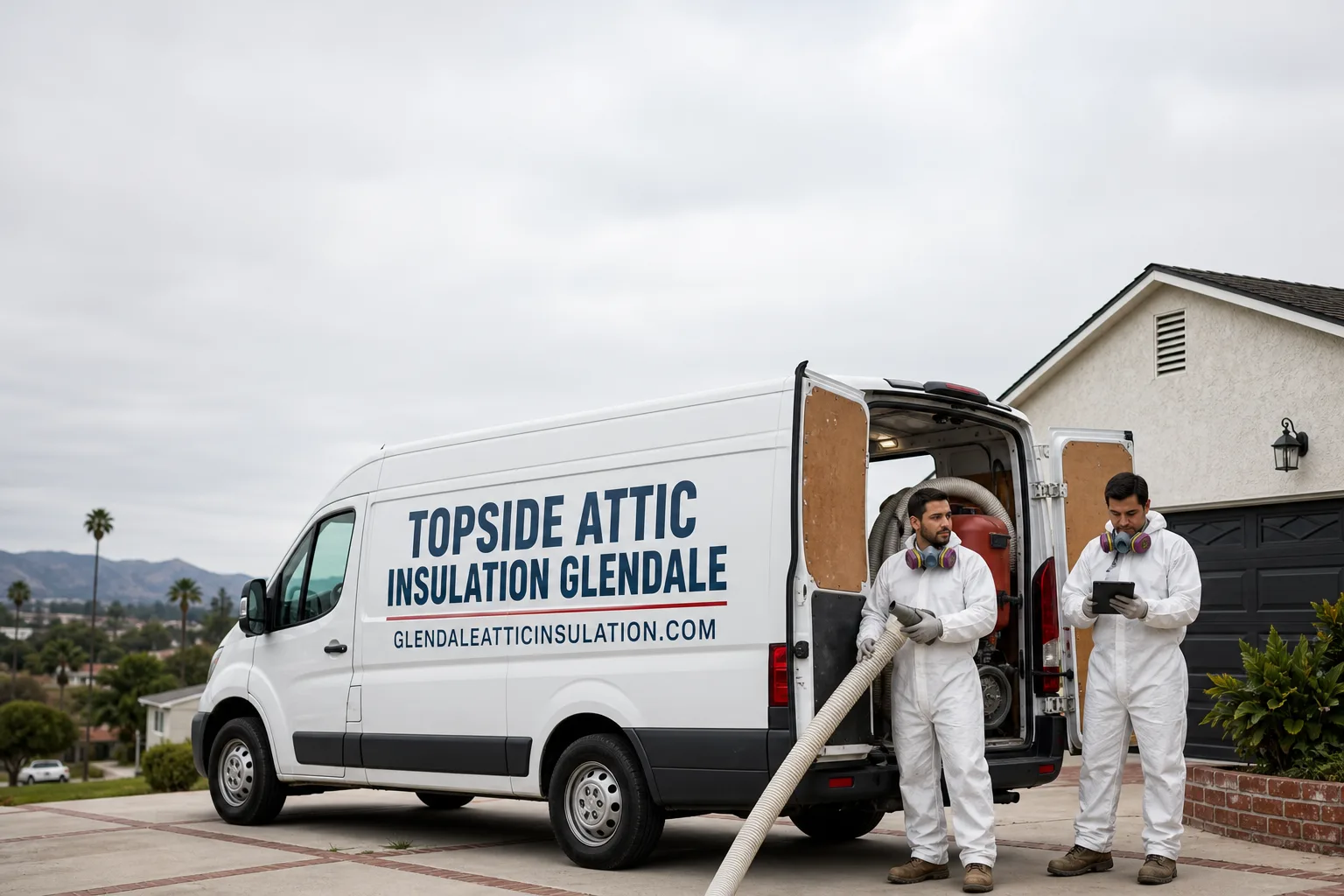
Trusted Attic Air Sealing for Glendale Homeowners
Our Attic Air Sealing in Glendale typically costs $1,800-$4,200 for a complete job, and most homes we work on in the 91201, 91205, and 91206 ZIP codes show blower-door reductions of 30-50% once the top plates, can lights, and duct boots are sealed. We’re Topside Attic Insulation Glendale, independently owned and operated under The Haven Standard since 2016, and we’ve sealed and insulated more than 9,000 homes across Los Angeles County. Our crews are background-checked and uniformed, and a live person answers our phones 24/7 at (213) 474-3828.
Glendale’s combination of pre-1980s housing stock, hot San Fernando Valley summers, and frequent Santa Ana wind events makes attic air leaks a year-round problem. We’ve found blower-door readings in Glenoaks Canyon homes regularly exceed 4,500 CFM50 before sealing, meaning conditioned air is escaping faster than the HVAC can replace it. After sealing, those same homes typically drop below 2,800 CFM50, which is where insulation starts to actually perform rather than just filter wind. We don’t sell insulation over unsealed attics. Period.
Every job begins with a written price and ends with a documented record. No exceptions.
What Our Attic Air Sealing Service Includes
Attic Floor Air Sealing
Attic floor air sealing targets the plane between your living space and the vented attic above, specifically the gaps around plumbing stacks, electrical wiring, and partition walls where conditioned air rises into the attic cavity. In Glendale’s Rossmoyne and Verdugo Woodlands neighborhoods, we regularly find original lath-and-plaster homes with no top plate sealing at all, meaning air moves freely through wall cavities and out through ridge vents. Our crew uses expanding foam, rigid blocking, and fire-rated caulk to create a continuous air barrier across the entire attic floor before any insulation material is considered. We document the work with photos and note any structural obstacles that might affect future insulation depth.
Top Plate & Penetration Sealing
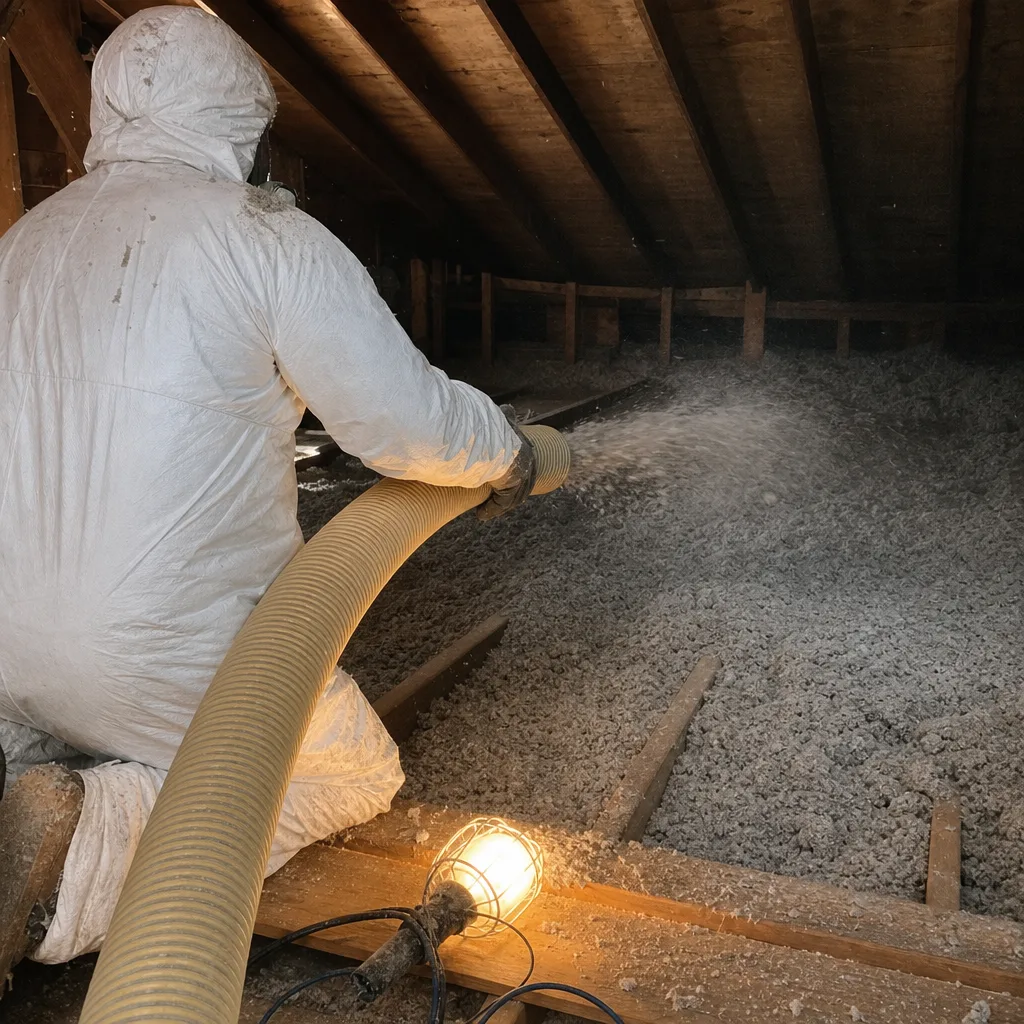
Top plates are the horizontal framing members where interior walls meet the ceiling, and they’re almost never sealed in homes built before 1990. In Glendale, where the building department enforces California Title 24 energy code requirements on any project involving insulation replacement, unsealed top plates are the single largest source of attic air leakage we measure. We seal these with two-part polyurethane foam or acrylic-latex sealant depending on the gap size and surrounding materials, then verify with a smoke pencil or thermal imaging camera. Penetrations for chimneys, vent pipes, and exhaust fans get fire-stop-rated sealants where required by Glendale’s municipal code.
Can Light & Duct Boot Sealing
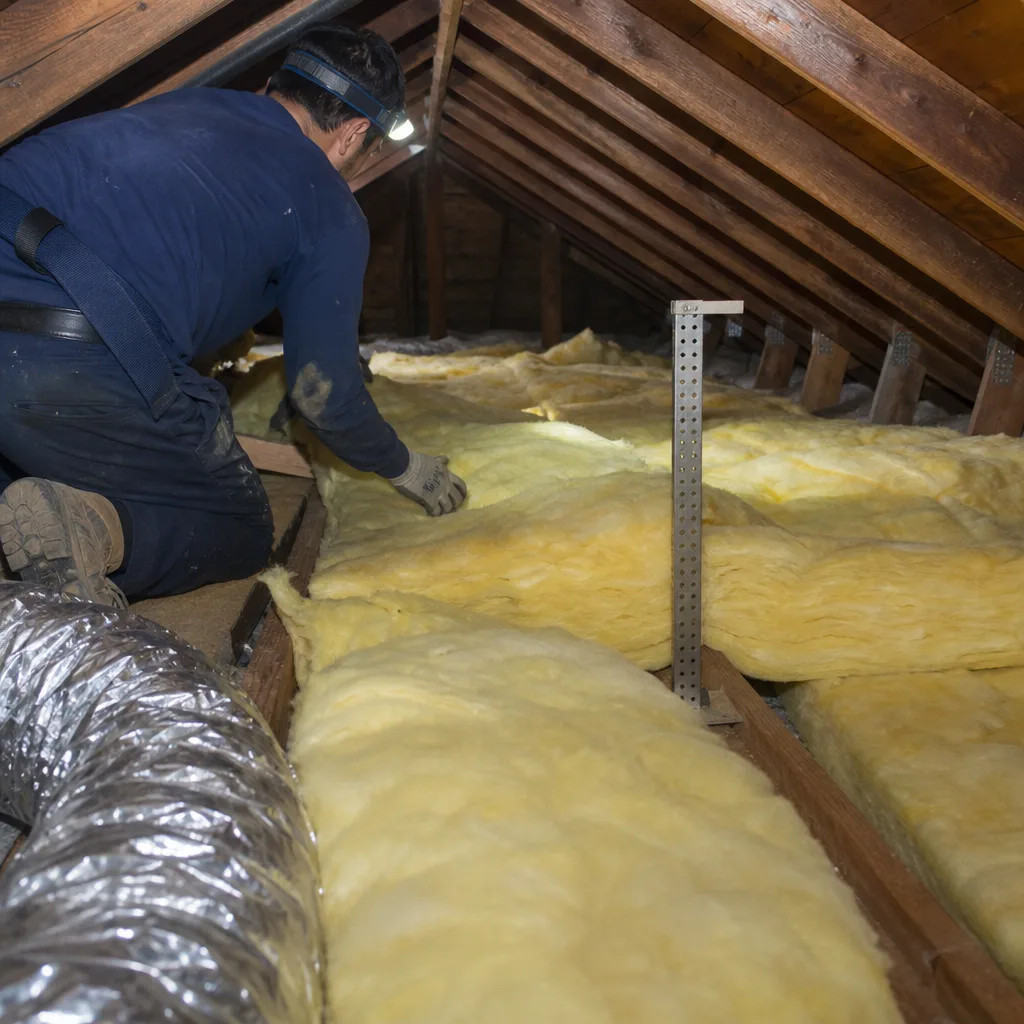
Recessed can lights installed before 2012 are rarely IC-rated (insulation contact), and even IC-rated units often leak significant air through the housing itself. In the hillside homes above Brand Boulevard, we’ve measured temperature differentials of 15°F or more around unsealed can lights during summer blower-door tests. We install pre-formed airtight covers or custom-cut rigid foam enclosures, sealed with mastic, that allow safe insulation contact while stopping air movement. Duct boots, the metal transitions between flex duct and ceiling registers, are another common leak point; we seal these with UL-181-rated mastic and mechanical fasteners, not tape that will degrade in Glendale’s attic heat.
Attic Hatch Sealing
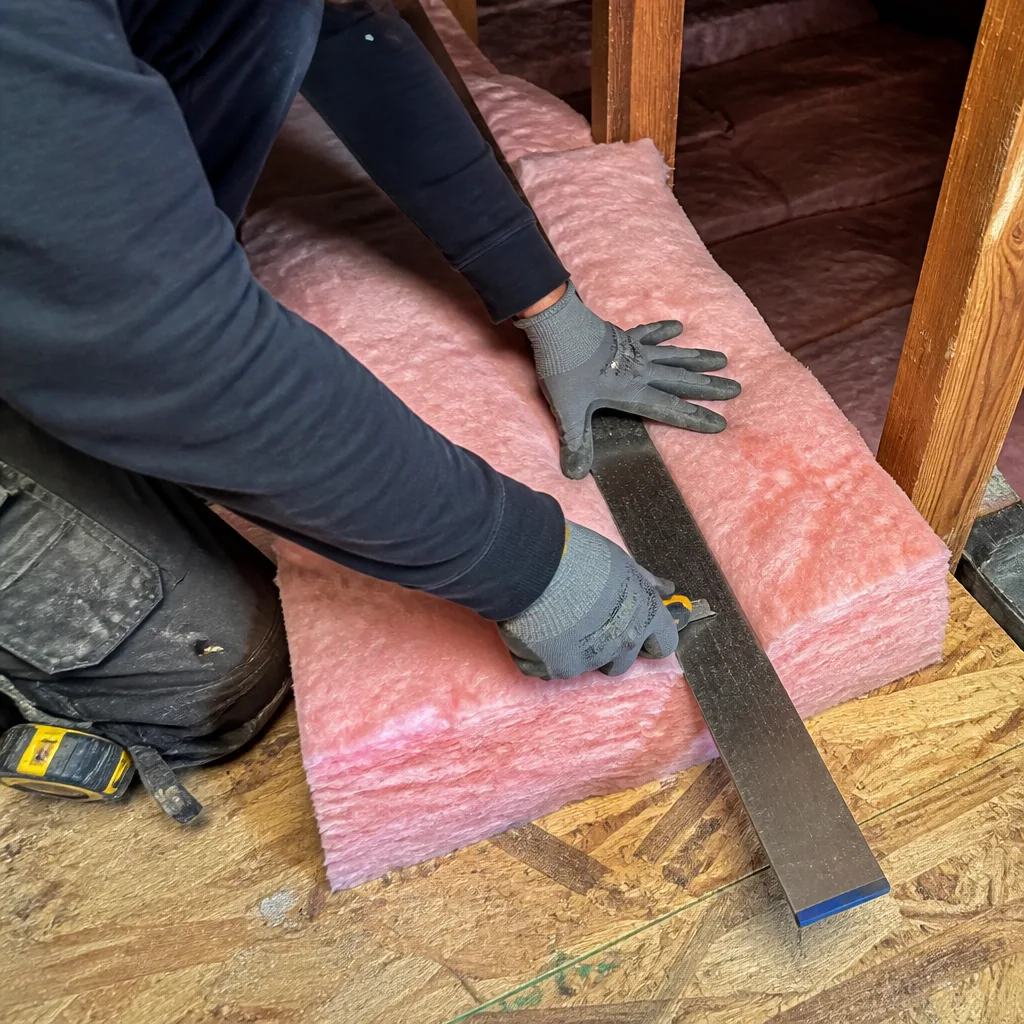
The attic hatch is often the most overlooked component in the thermal envelope, and in Glendale’s smaller post-war bungalows near Adams Hill, it’s frequently just a piece of plywood with no weatherstripping. We build insulated hatch covers with rigid foam board and attach compression weatherstripping to the trim, creating a gasket seal that holds under the pressure changes of a blower-door test. The cover gets a pull handle and a label noting the insulation R-value and installation date. This detail alone can reduce attic air leakage by 5-10% in some homes we’ve measured.
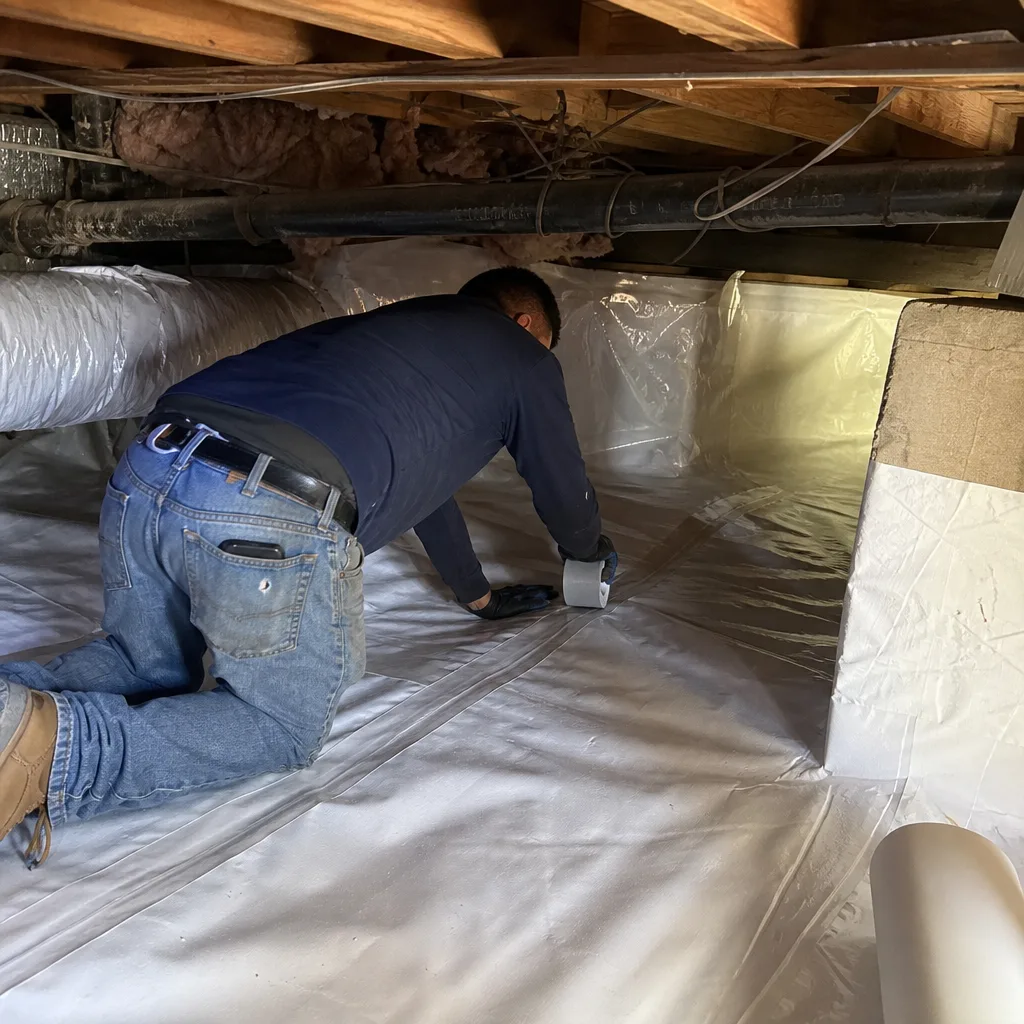
What happens when you call
- 1
A real person answersNo phone trees - you reach a local pro.
- 2
You get an upfront price rangeHonest numbers before anyone is dispatched.
- 3
A background-checked tech heads outLicensed & insured, dispatched right away.
- 4
You approve before work beginsNothing starts until you say go.
Signs You Need Attic Air Sealing Right Now
- Your upstairs rooms are 8-12°F warmer than downstairs in summer. This isn’t normal HVAC imbalance. In Glendale’s climate, where July attic temperatures regularly hit 140°F, unsealed top plates and duct boots act like open windows pulling superheated air into ceiling cavities. Your AC runs longer, your bills climb, and the equipment wears faster. We’ve measured this exact pattern in homes from Montrose to Tropico.
- You can feel air movement around electrical outlets on exterior walls. That draft isn’t coming through the outlet box itself, it’s traveling through unsealed wall cavities from the attic, down the interior of the wall, and out the gaps around the receptacle. In older Glendale homes with knob-and-tube wiring still present in attics, this pathway is often wide open. It’s a comfort problem and an energy problem.
- Your insulation looks dirty or has dark streaks. Clean insulation is a sign of still air. Dark streaks indicate that air is moving through the material, carrying dust and particulates that filter out on the fibers. In Glendale, where wildfire smoke has become a recurring seasonal issue, those streaks may also contain ash particles that have entered through ridge vents and soffit gaps. The insulation isn’t failing; the air sealing is.
- Your HVAC system runs continuously on hot days but never reaches the set temperature. Before assuming your unit is undersized, check whether the conditioned air is escaping into the attic faster than the ducts can deliver it. We’ve found homes in the Chevy Chase Canyon area losing 30% of supply air through unsealed duct boots alone. The equipment was properly sized; the envelope was leaking.
- You’ve had ice damming or moisture staining on ceiling drywall. Even in Glendale’s mild winters, brief cold snaps can create stack effect conditions where warm, moist interior air rises through unsealed attic floors and condenses on cold roof sheathing. The staining you see is the evidence; the rot potential in your rafters is the risk. Air sealing stops the moisture transport.
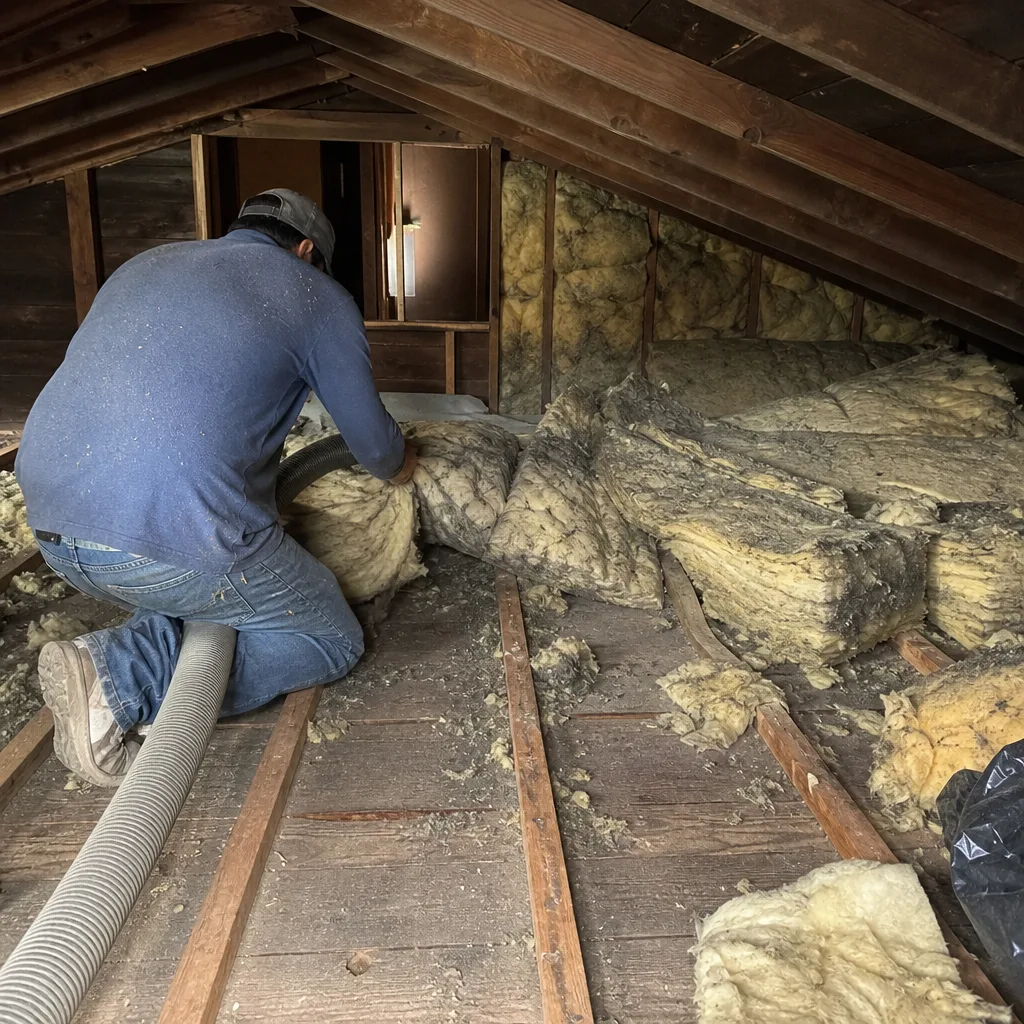 Before
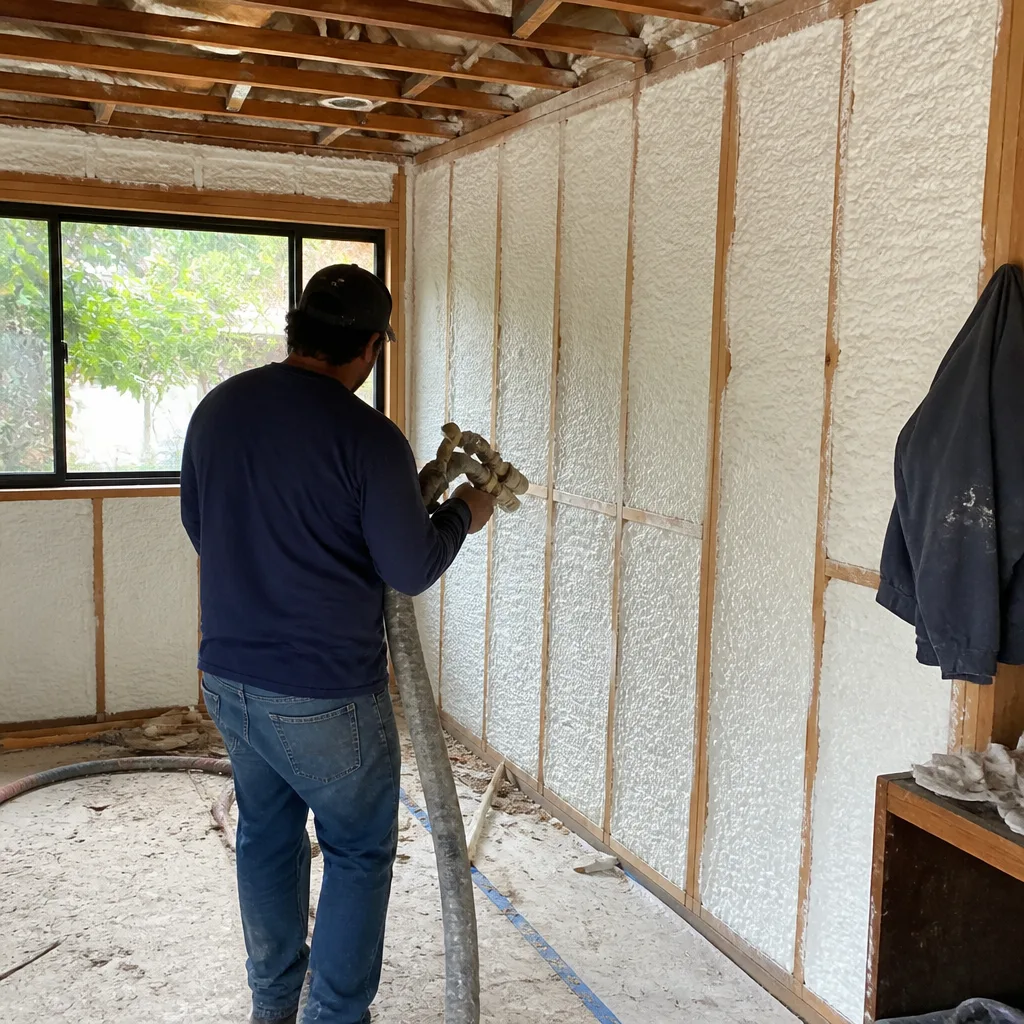 After
AfterOur Attic Air Sealing Process - Step by Step
- 1
Initial blower-door test and attic inspection. We pressurize your home to 50 Pascals, a standard pressure differential, and measure the cubic feet per minute of air leakage (CFM50). This single number becomes your baseline. We then enter the attic with a headlamp, camera, and smoke pencil to map every penetration, top plate gap, and bypass we can find. You get a photo record of what we found, not a verbal summary.
- 2
Written scope and price delivered before any work starts. Under Haven Standard Clause 1, we provide a flat price, a written scope of work, and a written warranty before anyone lifts a tool. The scope lists every item we identified in the inspection, the sealant or foam type we’ll use, and the target post-sealing blower-door number. If you have a competing quote, we’ll read it with you as part of our Free Second Opinion.
- 3
Prep and protection of living space. Our crew lays drop cloths, seals attic hatches with temporary barriers during work, and runs HEPA-filtered negative air machines if fiberglass or old insulation disturbance is expected. We wear respirators and coveralls in your attic, not street clothes. Background checks and uniforms are standard for every technician.
- 4
Systematic air sealing from the attic floor upward. We work methodically, typically starting at the farthest point from the hatch and moving toward it. Top plates get sealed first, then penetrations, then duct boots and can lights, then the hatch itself. We use Owens Corning Foamular rigid board for large gaps, Johns Manville fire-rated caulk for penetrations near combustion sources, and Demilec two-component foam for irregular cavities. Every material choice is noted in your job record.
- 5
Final blower-door test and documentation delivery. We run the blower door again and compare the new CFM50 to your baseline. The before-and-after numbers, photos of sealed locations, material specifications, and warranty terms are compiled into your Documented Photo Record, delivered by email before the crew leaves. If the result doesn’t meet the target in our written scope, we keep working. That’s the 365-Day Done Right Promise.
How Much Does Attic Air Sealing Cost in Glendale?
A typical attic floor air sealing job in a Glendale single-family home between 1,200 and 2,400 square feet runs $1,800-$3,200, and you can see how much Attic Air Sealing costs in more detail on our pricing page, depending on attic accessibility, the number of penetrations, and whether existing insulation needs temporary removal and replacement. Top plate and penetration sealing in homes with complex rooflines or multiple HVAC zones typically adds $800-$1,400. Can light sealing runs $45-$85 per fixture for pre-formed covers, or $120-$200 for custom-built rigid foam enclosures on non-standard housings. Attic hatch sealing is usually $280-$450 including materials and an insulated cover.
Complete attic air sealing, encompassing all four sub-services, most commonly falls between $2,800 and $4,200 in the Glendale market. Homes in the hillside areas above Glenoaks, with steep roof pitches and limited attic access, tend toward the higher end. Post-war tract homes in the flatlands near Pacific Avenue are typically more accessible and faster to complete.
What moves the price: the number of can lights and duct boots, the presence of active knob-and-tube wiring requiring electrician coordination, attic headroom below 4 feet (we work in tight spaces, but it takes longer), and whether insulation must be removed and replaced to access the attic floor. What doesn’t move the price: we don’t charge extra for the blower-door tests, the photo documentation, or the written warranty. Those are included.
To avoid overpaying, get any competing quote in writing and bring it to us for a Free Second Opinion. We’ll read it with you line by line and explain where the scope differs from ours. Estimates from Topside Attic Insulation Glendale are always free, always written, and always delivered before any work starts. Call (213) 474-3828 to schedule.
Attic Air Sealing Near Glendale - Our Service Area
We complete attic air sealing projects throughout Glendale and the surrounding foothill communities, with typical drive times of 15-25 minutes to Attic Air Sealing in La Cañada Flintridge, Attic Air Sealing in Burbank, Pasadena, Altadena, South Pasadena, Alhambra, West Hollywood, San Gabriel, Beverly Hills, El Monte, and Los Angeles. Most Glendale appointments are available within 2-4 business days, and emergency scheduling for active moisture or comfort crises can often be accommodated same-day. We don’t subcontract to out-of-area crews; the technicians who arrive at your door are employees who know the local building stock, the municipal permit requirements, and the specific air-leak patterns common to homes in your neighborhood.
Serving Glendale, CA - Our Local Coverage Area
We’re based in the Glendale area and know this community well, and we also offer Attic Air Sealing in Burbank. Use the map below to see our service coverage - if you’re nearby, we can almost certainly help.
Frequently Asked Questions - Attic Air Sealing in Glendale
Attic air sealing is the process of closing gaps, cracks, and penetrations in the ceiling plane and attic structure that allow conditioned air to escape into the vented attic space. Insulation slows heat transfer but does not stop air movement; in fact, blown fiberglass or cellulose can act as a filter for leaking air without sealing the leak itself. We seal first, then insulate, in that order, because insulation over an unsealed attic floor performs poorly and can mask leak locations that should have been fixed.
Most complete attic air sealing jobs in Glendale take one to two working days, depending on attic square footage, accessibility, and the number of fixtures requiring custom enclosures. A straightforward attic floor and top plate seal in a 1,600-square-foot home with standard 8-foot ceilings is typically a single day. Homes requiring insulation removal, reinstallation, or extensive can light work may extend to a second day. We confirm the schedule in your written scope before starting.
Complete attic air sealing in Glendale typically ranges from $2,800 to $4,200 for single-family homes between 1,200 and 2,400 square feet, with Attic Air Sealing - West Hollywood priced similarly, with partial jobs or smaller homes starting around $1,800. Can light sealing adds $45-$200 per fixture depending on the enclosure type. Your exact price depends on what we find during the blower-door test and attic inspection, which is why we don’t quote over the phone without seeing the space. Call (213) 474-3828 for a free written estimate.
We work with materials from Owens Corning, Johns Manville, Knauf, Rockwool, CertainTeed, Icynene, Demilec, and GreenFiber, and we have no proprietary product lock-in or exclusive supplier arrangement. For air sealing specifically, we select sealants, foams, and rigid boards based on the application, not brand affiliation. Whether your existing insulation is Owens Corning fiberglass, Johns Manville mineral wool, or GreenFiber cellulose, we can seal the attic floor above or around it properly.
We offer same-day and next-day scheduling for active moisture intrusion, post-rodent-damage situations, or HVAC emergencies where attic air leakage is the confirmed cause. A live person answers our phones 24/7, and we’ll dispatch a technician to assess whether temporary sealing or a complete job is appropriate. Not every situation requires emergency pricing; we’ll tell you honestly whether your case can wait for standard scheduling. Call (213) 474-3828 to discuss urgency.
All completed attic air sealing is covered by our 365-Day Done Right Promise: if the blower-door result doesn’t meet the target specified in your written scope, or if any sealed location fails within one year, we return and correct it at no charge. The warranty terms, along with the scope and price, are delivered in writing before work begins under Haven Standard Clause 1. Your Documented Photo Record serves as the baseline for any future warranty claim.
Clear a path to the attic hatch and remove any stored items within 3 feet of the opening. If you have sensitive electronics or artwork directly below the hatch, consider temporary relocation; we use drop cloths, but dust can fall during hatch work. Ensure we have access to your electrical panel, as we may need to de-energize circuits before sealing around live boxes. Pets should be secured away from work areas. We’ll text you when the technician is en route with an estimated arrival window.
Schedule Your Attic Air Sealing Service in Glendale Today
Call (213) 474-3828 to speak with a live person, 24/7, and schedule your free attic inspection and written estimate. We’ll run the blower-door test, show you exactly where your home is leaking, and deliver a flat price before any work starts. Every job ends with documented before-and-after numbers and a written warranty. That’s the Haven Standard, and it’s how we’ve operated since 2016.
Written by Wes Okafor, Owner at Topside Attic Insulation Glendale, serving Glendale since 2016.