
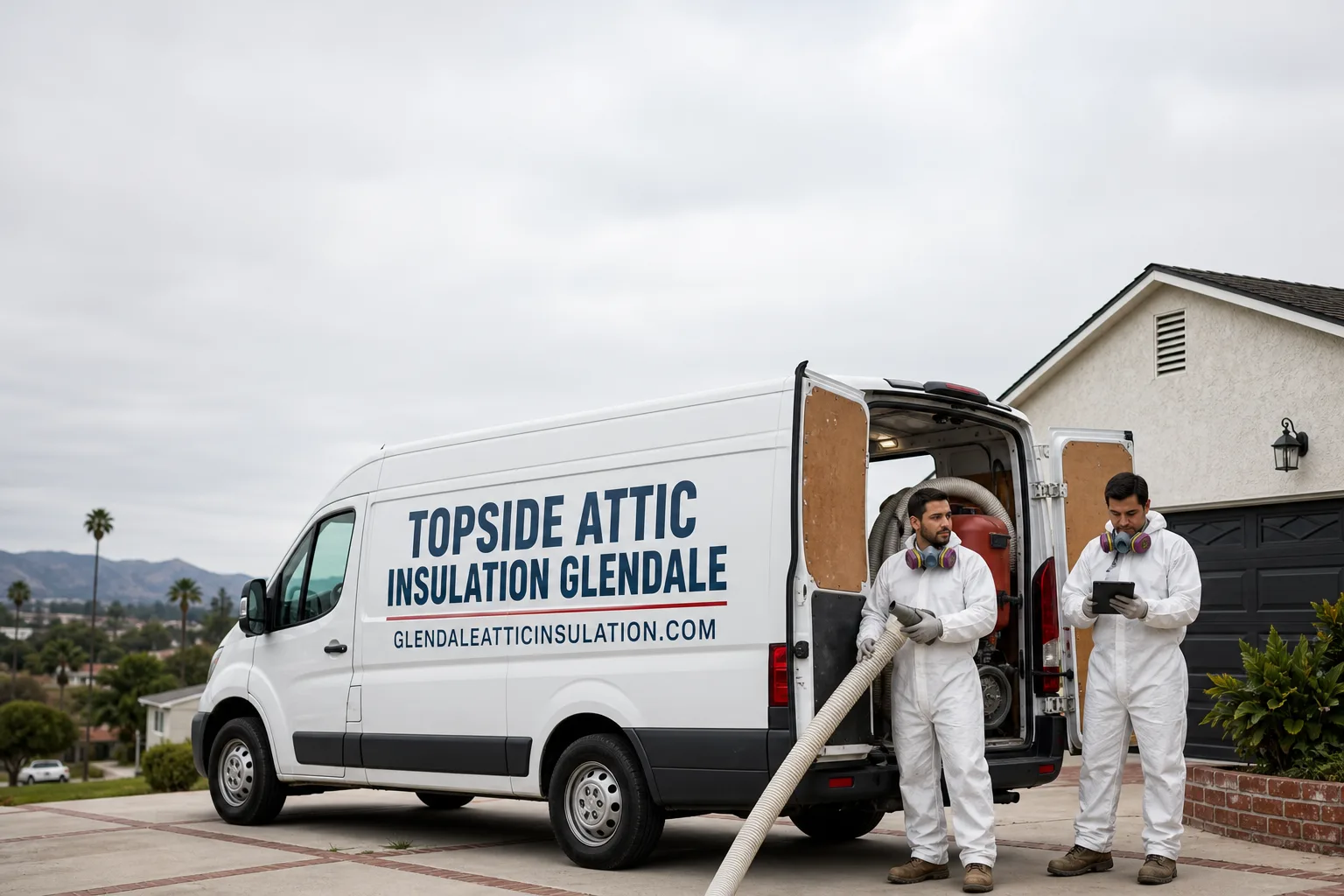
Trusted Blown-In Insulation for Glendale Homeowners
Blown-in insulation in Glendale typically costs $1.80 to $3.50 per square foot installed, with most attic jobs running $2,400 to $5,800 depending on depth, material, and whether air sealing is needed first. We’re usually on-site within 24 to 48 hours, and same-day starts are common for attic top-ups when the access is clear. Call (213) 474-3828 - a live person answers, even at 11 p.m.
We’ve sealed and insulated more than 9,000 homes since 2016, and we’ve learned that Glendale Blown-In Insulation fails when it’s installed over an unsealed attic floor. That’s why every job we do in Glendale starts with a blower-door test - a pressurization reading that shows, in one number, how much conditioned air your building envelope is losing. We seal the top plates, can lights, and penetrations first. Then we blow. The before-and-after numbers go in your file, along with photos of every step. Under Haven Standard Clause 1, you get a written price before anyone lifts a tool, and a written warranty before the crew leaves. No exceptions.
Glendale’s climate puts specific stress on attic insulation. Summer highs in the Verdugo Woodlands regularly hit the upper 90s, and winter nights in the foothills above Brand Park drop into the low 40s. Homes built between 1945 and 1985 - common in the Rossmoyne and Adams Hill neighborhoods - often have original batt insulation that’s compressed, displaced by prior work, or chewed by rodents. We’ve pulled out decades-old material in the Chevy Chase Canyon area that measured R-11 where R-38 was needed. The homeowners knew their upstairs rooms ran hot; they didn’t know their attic was leaking 4,000 CFM50 of conditioned air until we showed them the blower-door reading.
What Our Blown-In Insulation Service Includes
Blown-In Cellulose
Cellulose is ground paper fiber treated with borate for fire and pest resistance, and it packs tighter than fiberglass for a given R-value. We specify it for Glendale homes with irregular joist spacing or numerous penetrations - the material fills gaps that batts can’t bridge. We source cellulose from GreenFiber and other manufacturers, and we install it to the depth required by Title 24, which in Glendale’s climate zone means R-38 to R-60 in attics depending on existing conditions. Every cellulose job includes air sealing of top plates and electrical penetrations first; we won’t blow over a leaky attic floor.
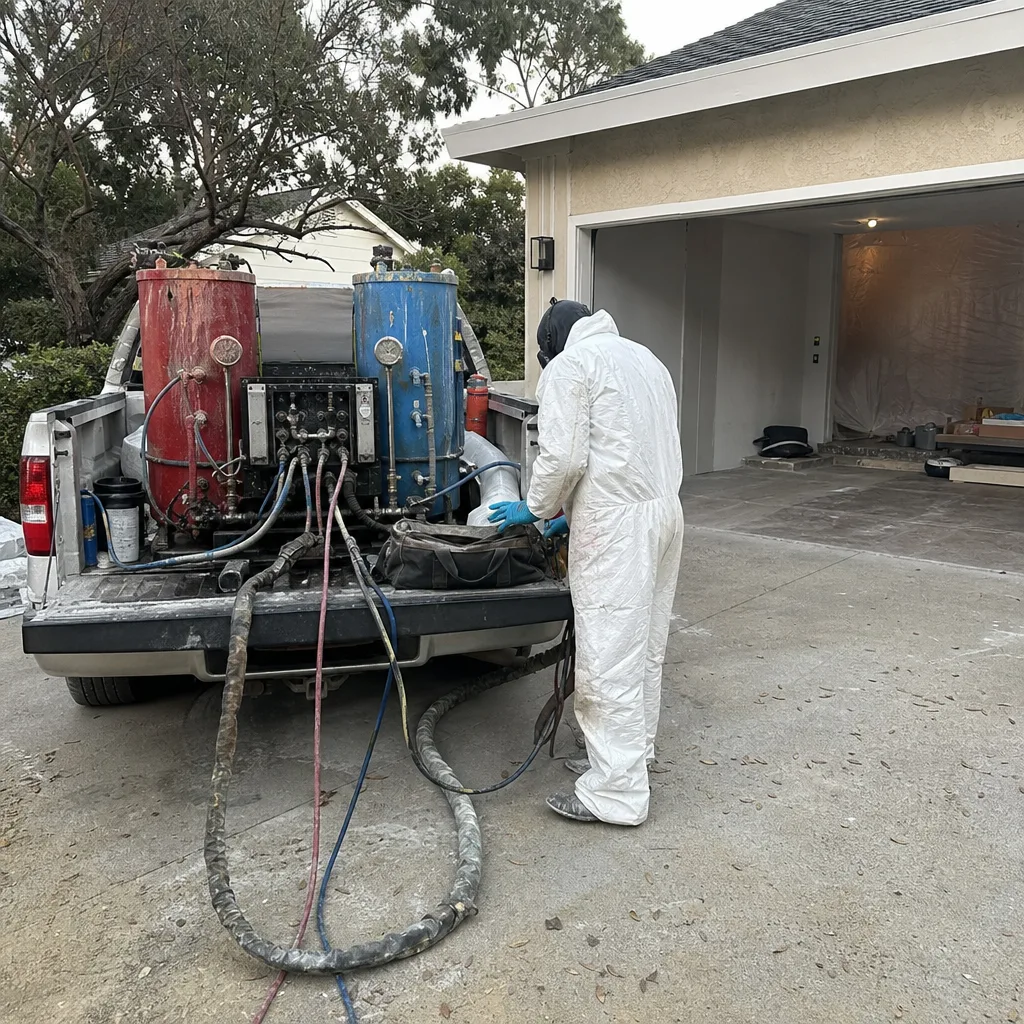
Blown-In Fiberglass
Fiberglass loose-fill is lighter than cellulose and won’t settle as dramatically over decades, though it requires greater depth for equivalent R-value. We recommend it for Glendale attics with adequate air sealing already in place, or where the homeowner wants the lowest weight load on older ceiling drywall. We’ve installed Owens Corning ProPink and Johns Manville Climate Pro in hundreds of local homes, including many in the Glenoaks Canyon and Sparr Heights areas where attic access is tight and the material needs to hose around obstructions cleanly. The blower-door test determines whether fiberglass alone is appropriate, or whether the attic needs sealing first.
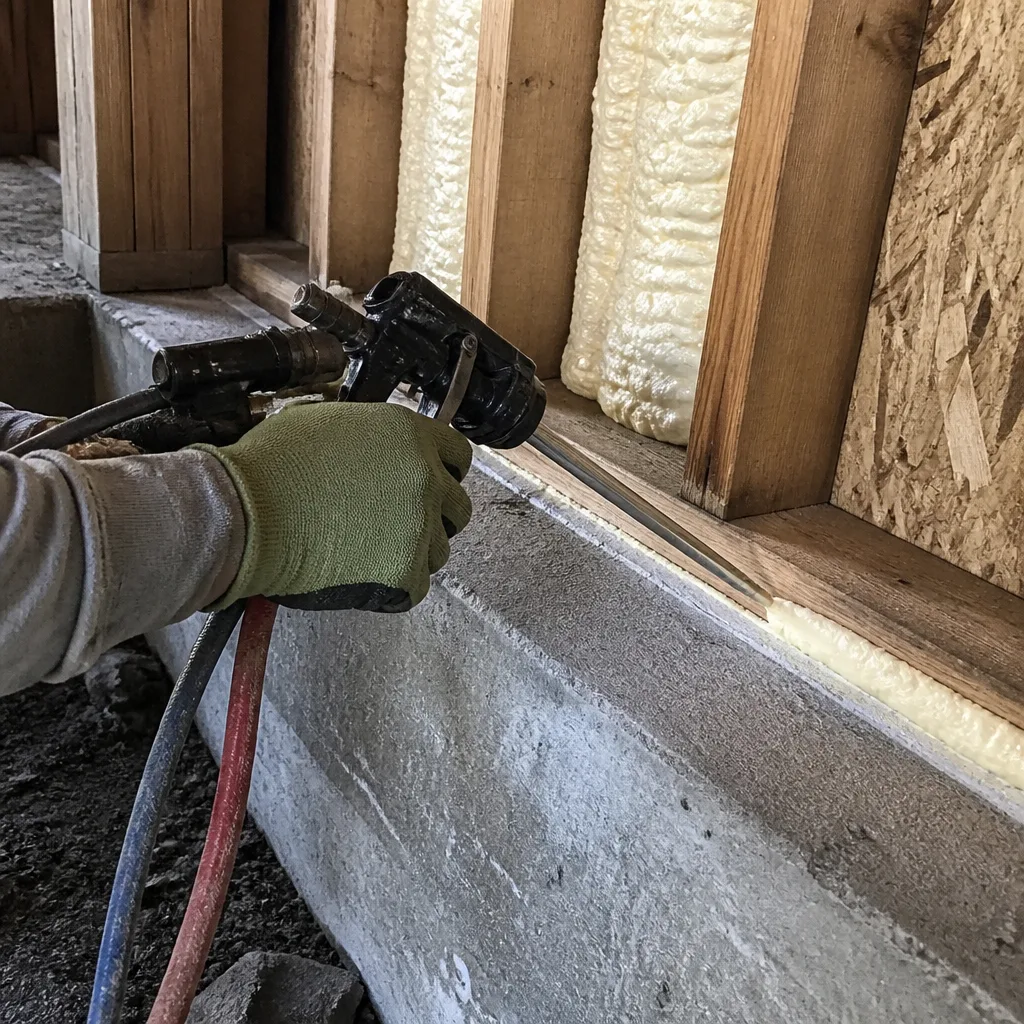
Dense-Pack Wall Insulation
Dense-pack means blowing cellulose or fiberglass into closed wall cavities at pressure, typically 3.5 to 4 pounds per cubic foot for cellulose, so the material resists settling and slows air movement through the stud bay. We use this for Glendale homes with uninsulated walls - common in pre-1960 construction in the Montrose and La Crescenta-adjacent areas - where removing drywall isn’t practical. The process requires drilling access holes, either from the exterior or interior, and patching afterward. We document every hole location with photos before and after, and we provide the blower-door comparison so you can see whether the wall fill changed your envelope leakage rate.
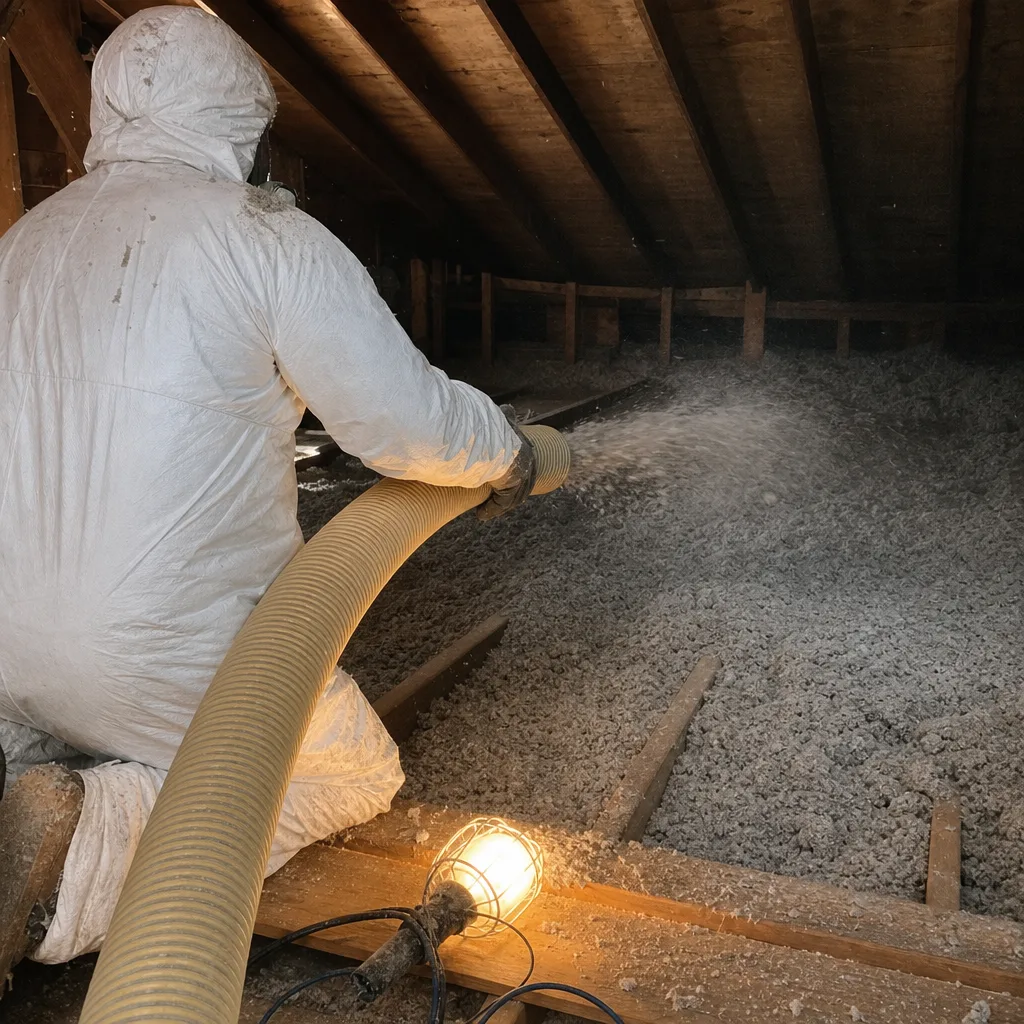
Blown-In Top-Up
A top-up adds loose-fill material over existing insulation that’s in decent shape but compressed or under-depth. This is the most common blown-in job we do in Glendale, especially in homes that had insulation added in the 1990s or 2000s and have since seen settling, rodent activity, or HVAC contractor traffic that displaced the material. We start with a depth check across the attic, photo-document the existing condition, and calculate the additional material needed to reach current Title 24 standards. If the existing material is contaminated - rodent droppings, water staining, or mold - we’ll recommend removal and replacement instead, and we’ll show you the photos so you can decide.
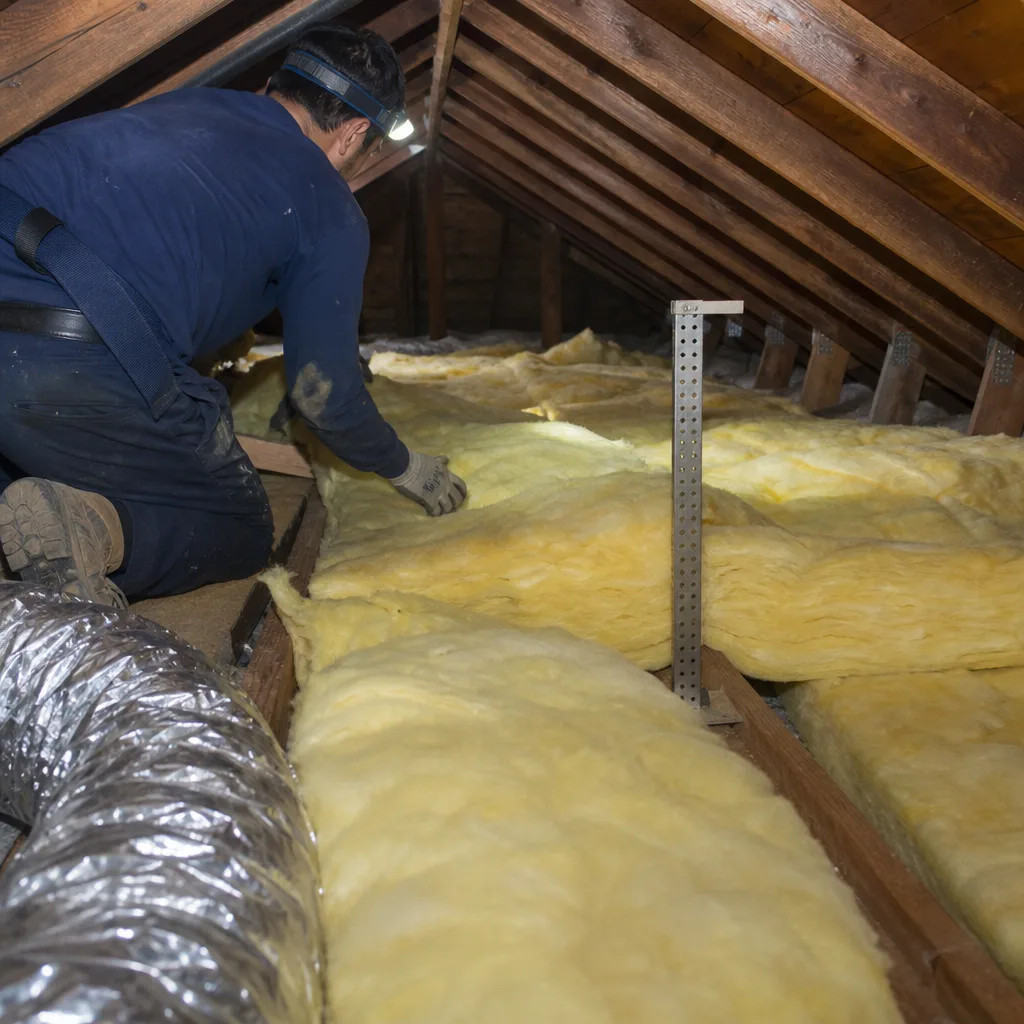
What happens when you call
- 1
A real person answersNo phone trees - you reach a local pro.
- 2
You get an upfront price rangeHonest numbers before anyone is dispatched.
- 3
A background-checked tech heads outLicensed & insured, dispatched right away.
- 4
You approve before work beginsNothing starts until you say go.
Brands We Service for Blown-In Insulation
We work with the major blown-in insulation manufacturers without exclusive arrangements or proprietary lock-in, so the material choice follows your home’s needs rather than our supplier relationships. We’ve installed Owens Corning fiberglass systems in Glendale homes since 2016 - their ProPink L77 loose-fill is specified for attics where settling resistance matters, and we stock the blowing equipment calibrated to their density requirements. We’ve also worked extensively with GreenFiber cellulose, particularly in the dense-pack applications where their stabilized product resists settling in wall cavities over time. Our crews are trained on the specific machine settings and moisture-content limits for each manufacturer’s material, and we verify bag counts against installed volume so you know what was actually put in your attic.
Whether your existing insulation is Johns Manville, Knauf, CertainTeed, or any other make, we can assess its condition, match or exceed its performance with new material, and document the improvement with before-and-after blower-door numbers. We don’t push one brand over another; we specify based on your attic’s access, your structural load limits, and whether air sealing or moisture control is the priority. The written scope you receive before work starts names the manufacturer, the product line, and the installed R-value target - Haven Standard Clause 1 requires it.
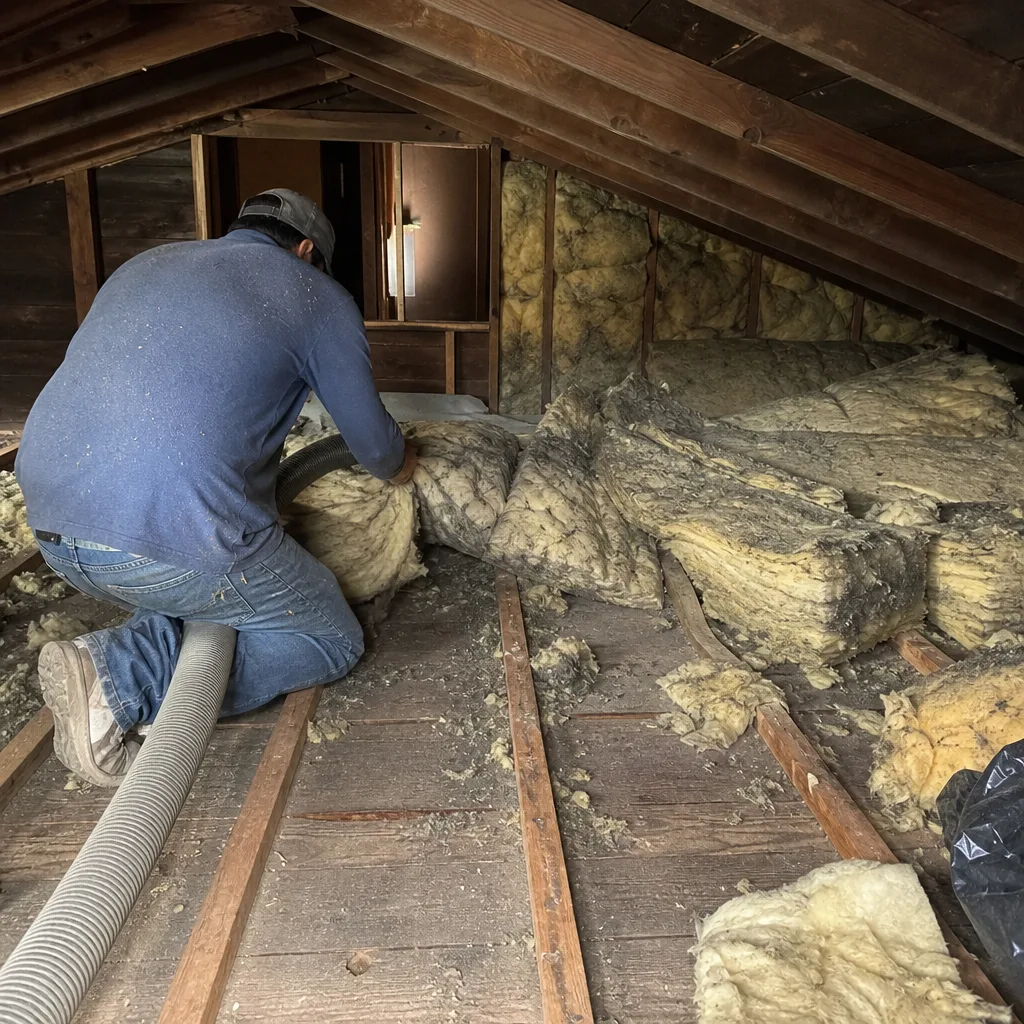 Before
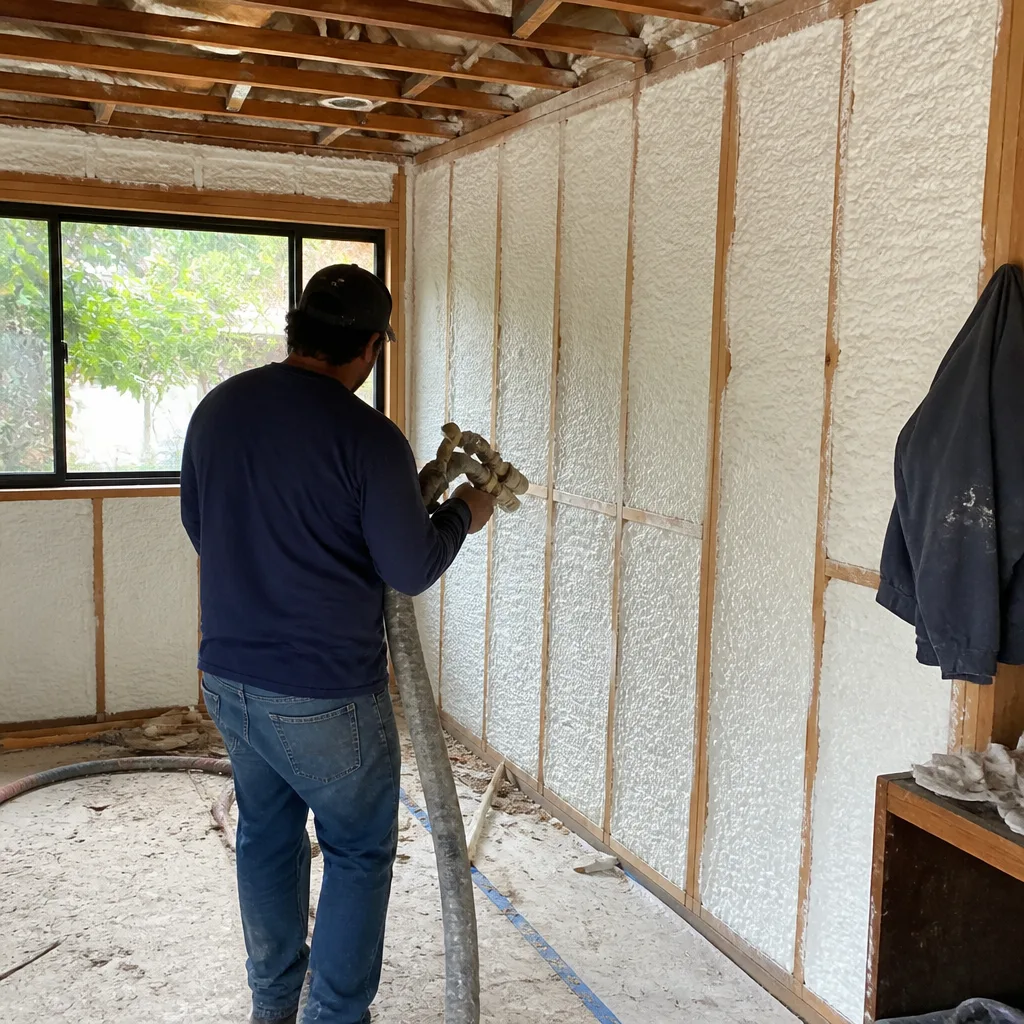 After
AfterSigns You Need Blown-In Insulation Right Now
- Upstairs rooms run 8 to 15 degrees hotter in summer than the downstairs. This is the most common complaint we hear in Glendale’s hillside homes, from Chevy Chase to Verdugo City. Heat stratifies when attic insulation is thin or missing, and the ceiling becomes a radiant heat source. A blower-door test usually reveals that the attic is also leaking conditioned air upward, which makes the problem worse.
- Energy bills spike in August and January despite thermostat discipline. When your HVAC runs constantly to replace air that’s escaping through the attic, the kilowatt hours show it. We’ve seen Glendale homeowners cut summer cooling costs by 25 to 40 percent after proper air sealing and blown-in insulation, with the blower-door numbers to prove the envelope tightened.
- Ice dams or condensation stains on ceiling drywall. Even in Glendale’s mild winters, inadequate attic insulation lets warm, moist interior air hit cold roof sheathing. The moisture condenses, stains the drywall, and in rare freeze events can form ice that backs up under shingles. This is especially common in homes near the Angeles National Forest boundary where nighttime lows drop further.
- Existing insulation is below the joist tops or visibly disturbed. If you can see the tops of your ceiling joists in the attic, you don’t have enough insulation. If the material is patchy, compressed by storage boxes, or tunneled by rodents, it’s not performing to its rated R-value. We photo-document this condition on every estimate so you can see what we see.
- Rooms directly under the attic have drafty exterior walls even when windows are closed. This often means the top plates - the horizontal framing member where the wall meets the ceiling - aren’t sealed, and air is cycling through the wall cavities into the attic. Blown-in insulation alone won’t fix this; the air sealing has to happen first, which is why we test before we specify.
Our Blown-In Insulation Process - Step by Step
- 1
Blower-door test and attic inspection. We pressurize your home and measure the air leakage rate in CFM50 - cubic feet per minute at 50 Pascals of pressure. Then we climb into the attic with a camera and document the existing insulation depth, condition, and any visible air leaks around chimneys, can lights, and top plates. You get the photos and the initial number before we quote.
- 2
Written scope and price. Under Haven Standard Clause 1, we deliver a flat price, a written scope of work, and a written warranty before anyone schedules the job. The scope names the material manufacturer, the installed R-value, the air-sealing details, and the blower-door target. There’s no “call for pricing” - the price is on the page we hand you.
- 3
Air sealing before insulation. We seal top plates with foam or caulk, box out can lights with fire-rated covers, seal around chimney chases and plumbing vents, and address any other penetrations the blower-door test identified. This step is never skipped, never billed as an upsell, and always photographed.
- 4
Blown-in installation to specified depth. The crew sets up the blowing machine outside, hoses material into the attic to the depth required for the target R-value, and marks depth check points across the space. We count bags and compare against the manufacturer’s coverage chart to verify volume. The attic access is sealed afterward, and we clean up any tracked material.
- 5
Final blower-door test and documentation. We run the pressurization test again and compare to the initial reading. The improvement goes in your file with the photos, the material specification, and the warranty. If we don’t hit the target we quoted, we find the leak and fix it - that’s the 365-Day Done Right Promise, in writing.
How Much Does Blown-In Insulation Cost in Glendale?
A typical Blown-In Insulation pricing for an attic top-up in a 1,200 to 1,800 square foot Glendale home runs $2,400 to $3,800, including air sealing of accessible top plates and penetrations. Full attic replacement - removal of existing material, air sealing, and new blown-in to R-38 or R-60 - typically ranges from $4,200 to $7,500 depending on attic square footage, accessibility, and whether rodent remediation is needed first. Dense-pack wall insulation is priced per square foot of wall area and generally runs $3.50 to $5.50 per square foot installed, with most whole-house jobs in Glendale’s smaller vintage homes falling between $6,000 and $12,000.
Several factors move the price. Attic accessibility is the big one: a hatch in a closet versus a full staircase changes crew time significantly. The condition of existing material matters too - removal and disposal of contaminated insulation adds $1.50 to $2.50 per square foot. Homes in the hillside neighborhoods above Glenoaks Boulevard often have complex rooflines with multiple dormers and kneewalls, which take more time to seal and insulate properly. And the starting leakage rate affects scope: a home testing at 6,000 CFM50 needs more air-sealing work than one at 3,500.
To avoid overpaying, get the scope in writing and compare what’s actually included. Some Glendale contractors quote a low per-square-foot price for material only, then add air sealing, baffles, and access sealing as line items later. Our price is flat and includes everything in the scope - no change orders unless you add work. We also offer a Free Second Opinion on any written estimate: bring us a competing quote and we’ll read it with you, line by line, and tell you what’s comparable and what’s missing.
Every estimate we provide is free, includes the blower-door test, and comes with no obligation. You’ll know the price, the target performance number, and what documentation you’ll receive before you decide.
Blown-In Insulation Near Glendale - Our Service Area
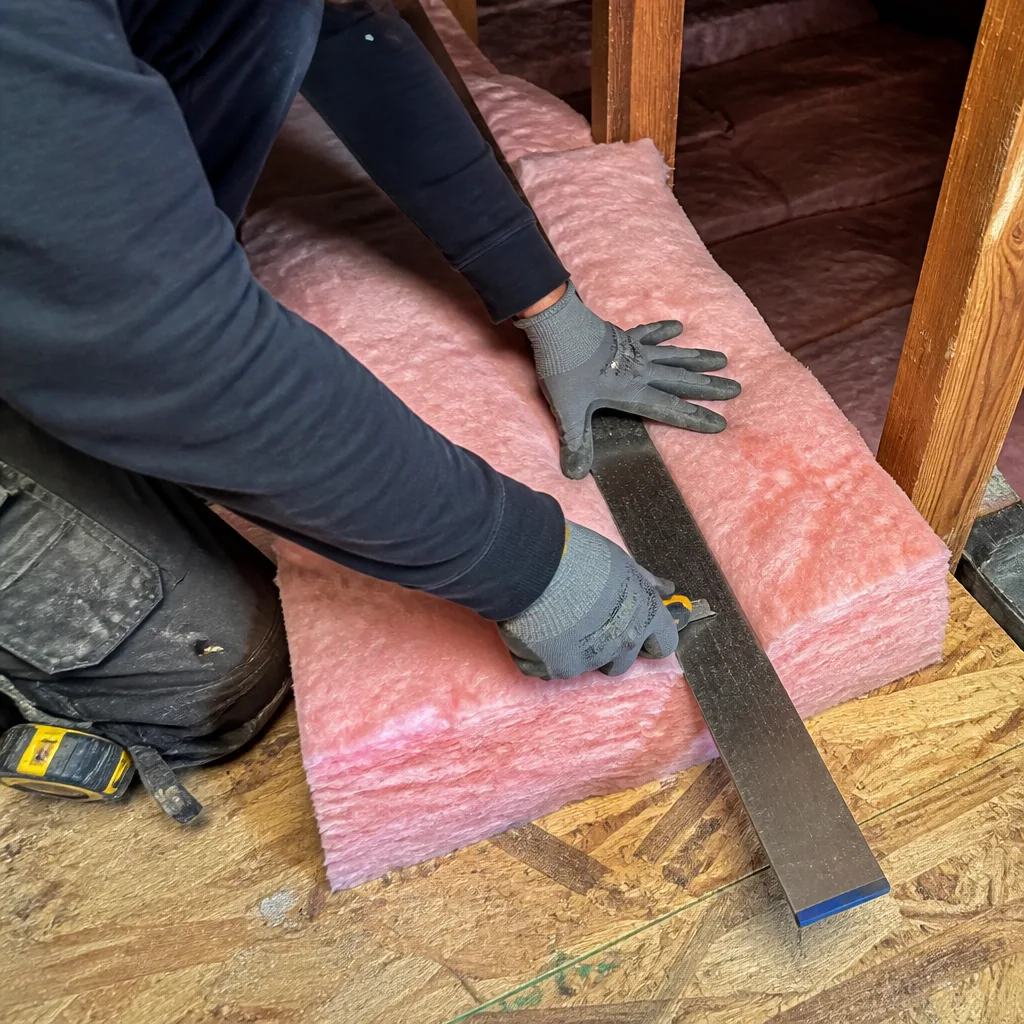
We run blown-in insulation crews daily across Glendale and the surrounding foothill communities. Typical drive time to Burbank is 15 minutes, to La Cañada Flintridge 20 minutes, and we regularly work in Pasadena, Altadena, South Pasadena, Alhambra, West Hollywood, San Gabriel, Beverly Hills, El Monte, and Los Angeles proper. Most estimates are scheduled within 48 hours of contact, and emergency starts for homes with failed insulation - think post-leak removal or rodent contamination - can often be arranged same-day. Wherever you are in the Glendale area, the process is identical: blower-door test first, written price before work, documented record when we leave.
Serving Glendale, CA - Our Local Coverage Area
We’re based in the Glendale area and know this community well - we also handle Blown-In Insulation in Burbank. Use the map below to see our service coverage - if you’re nearby, we can almost certainly help.
Frequently Asked Questions - Blown-In Insulation in Glendale
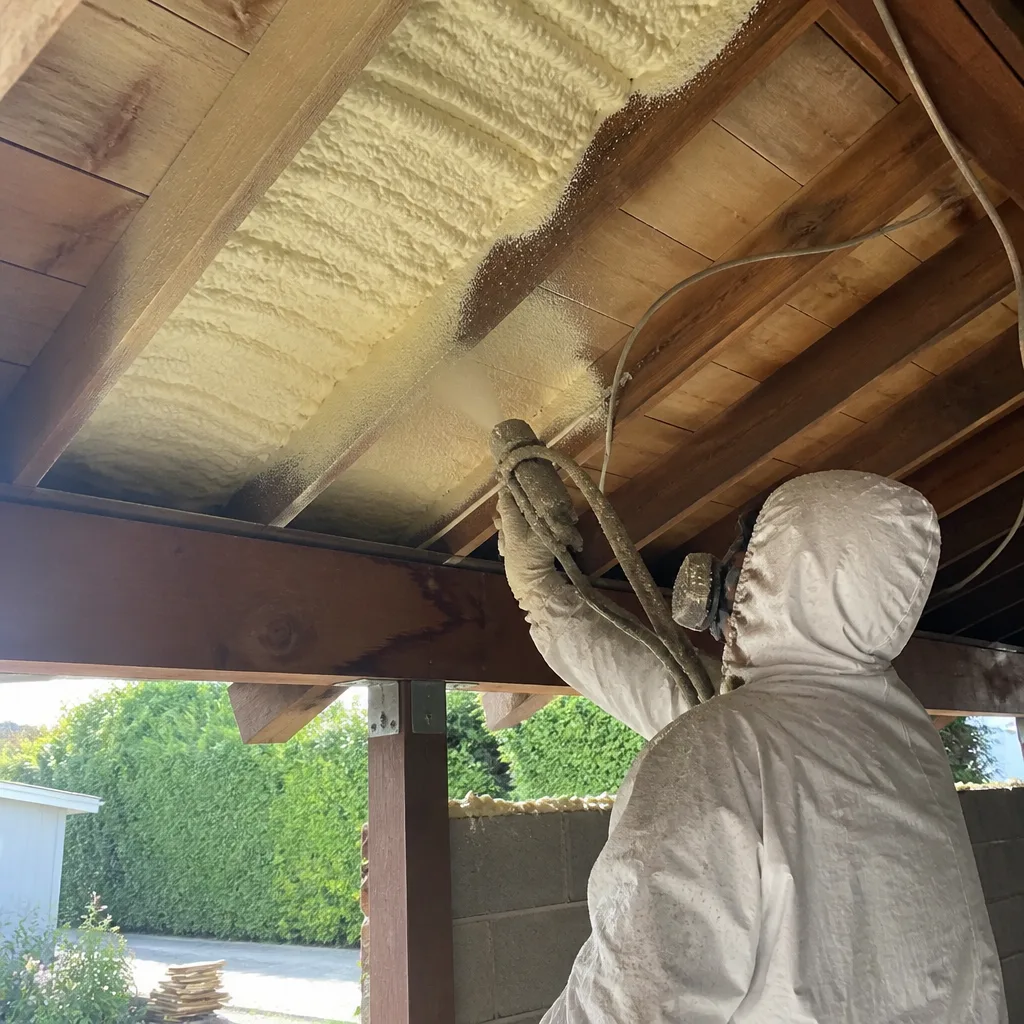
Blown-in insulation is loose-fill fiberglass or cellulose material that’s sprayed into attic floors or wall cavities with a hose and blowing machine, allowing it to fill irregular spaces and cover penetrations that batt insulation can’t seal. In Glendale, it’s the most common method for adding insulation to existing homes because it doesn’t require removing drywall or disturbing finished spaces. We also provide Blown-In Insulation in West Hollywood. We specify the material and depth based on your blower-door test results and the R-value target in your written scope.
Most attic top-ups in Glendale are completed in four to six hours; full removal, air sealing, and replacement typically takes one to two days depending on attic size and contamination. Dense-pack wall insulation runs longer - two to four days for a whole house - because of the access hole drilling and patching. We give you a specific schedule in your written scope, and we text when the technician is on the way.
Attic top-ups run $2,400 to $3,800 for most Glendale homes; full replacement with air sealing ranges from $4,200 to $7,500; dense-pack walls are $3.50 to $5.50 per square foot installed. The exact price depends on attic accessibility, existing material condition, and your home’s starting air leakage rate. Call (213) 474-3828 for a free estimate with blower-door test - the price we quote is the price you pay.
Yes. We’ve installed Owens Corning ProPink fiberglass and GreenFiber cellulose in hundreds of Glendale-area homes, and our crews are trained on the specific blowing equipment settings and density requirements for both. We don’t have exclusive arrangements with any manufacturer, so we specify based on your home’s needs rather than supplier incentives. Whether you have these brands or any other, we can assess, match, or upgrade your insulation with documented performance improvement.
We offer same-day starts for urgent situations - post-leak insulation removal, rodent contamination requiring immediate remediation, or failed insulation exposing the home to extreme weather. A live person answers calls 24/7, and we’ll dispatch a crew as soon as we can verify the scope on-site. Not every situation is an emergency, but when it is, we don’t make you wait through a callback window.
Every job is backed by our 365-Day Done Right Promise: if the insulation settles below specified depth, if an air leak we sealed reopens, or if the final blower-door number doesn’t match what we quoted, we return and fix it at no charge. The warranty terms are in writing, delivered before work starts, and tied to the documented photo record and blower-door readings in your file. Haven Standard requires it.
Clear a path to the attic access and remove any stored items from the attic floor that you want to keep; the crew needs workspace and the blowing hose needs a clear route from the machine to the hatch. We’ll cover floors and furniture along the path with drop cloths, but fragile items should be moved beforehand. For dense-pack wall work, move furniture 3 feet from exterior walls and remove wall hangings. We send a preparation checklist with your scheduling confirmation so nothing is last-minute.
Schedule Your Blown-In Insulation Service in Glendale Today
Call (213) 474-3828 now - a live person answers 24/7, and we’ll schedule your free estimate with blower-door test at a time that works. You’ll get a written price before any work starts, a documented photo record when the crew leaves, and before-and-after numbers that prove the result. No obligation, no voicemail loops, no callback windows measured in business days. Just the scope, the price, and the proof.
Written by Wes Okafor, Owner at Topside Attic Insulation Glendale, serving Glendale since 2016.