
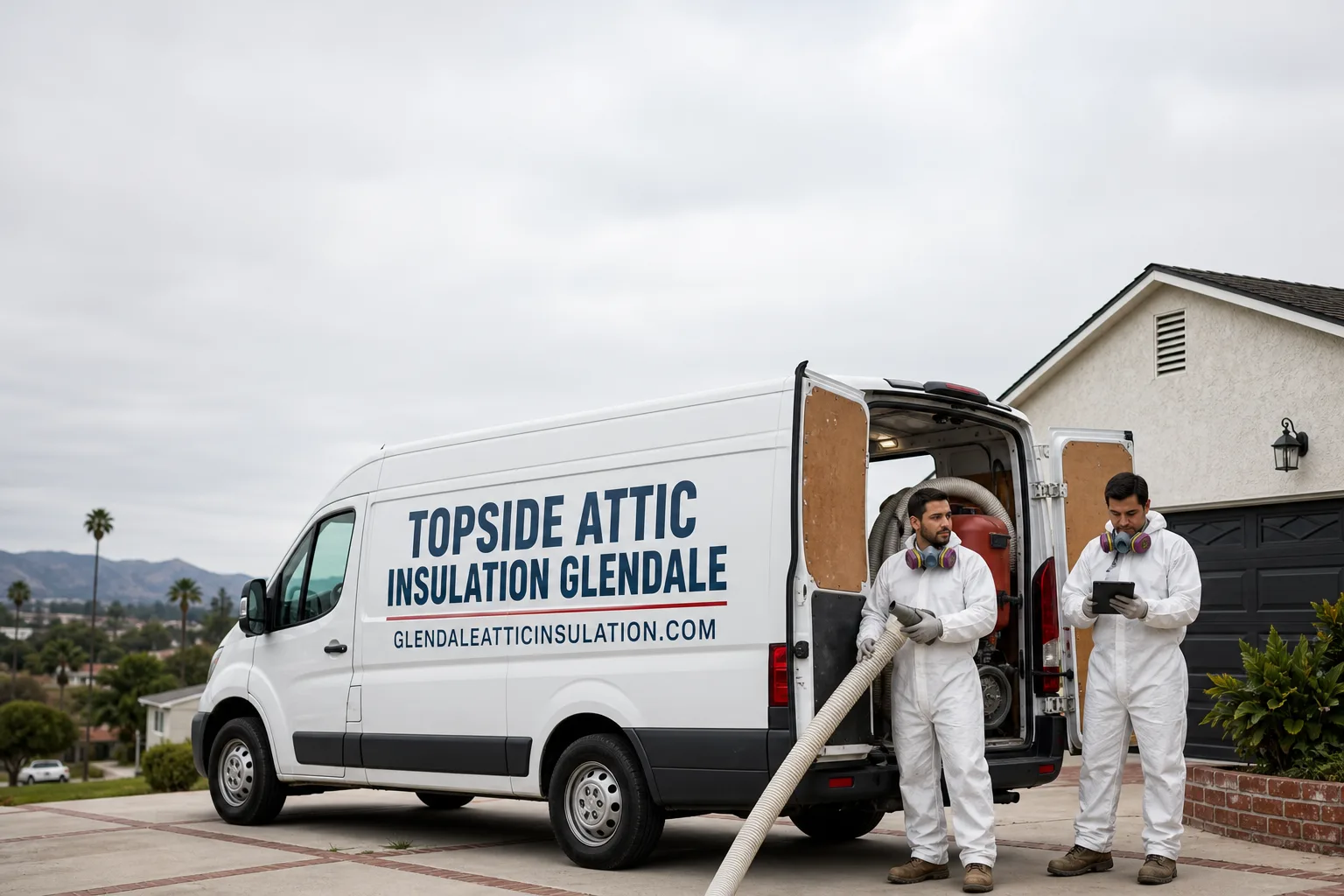
Fast, Reliable Blown-In Insulation Across Alhambra
Blown-in insulation in Alhambra typically runs $1,800-$4,500 for a full attic, with dense-pack wall retrofits adding $2,200-$5,000 depending on cavity depth and square footage. Most jobs are completed in one to two days, and our crews are dispatched from the Los Angeles office with same-week availability for standard bookings. Call (213) 474-3828 for a written price before any work starts.
We’ve worked on enough Alhambra homes to know the pattern: a 1925 Craftsman on Marguerita Street with empty wall cavities and a summer electric bill that climbs past $400, or a converted duplex near Main Street where the ADU never stays cool because the attic was never sealed before someone blew in a thin layer of fiberglass decades ago. Our Blown-In Insulation team treats these conditions as standard, not exceptions. The inland San Gabriel Valley heat island pushes Alhambra 10-15°F past coastal LA on the same summer afternoon, which means under-insulated envelopes here pay a steeper penalty than most homeowners realize until they see the utility data.
Why Topside Attic Insulation Glendale Is Alhambra’s Preferred Blown-In Insulation Company
We’ve sealed and insulated homes in Alhambra since expanding our Los Angeles-area service line, and the local reputation tracks with what we’d expect: homeowners here read the three-star reviews first, ask about permits, and want the blower-door numbers in writing. We deliver that documentation on every applicable job, no request needed.
Response time to Alhambra neighborhoods - from Midwick Tract to the streets bordering South Pasadena - runs same-week for standard assessments, with emergency scheduling available when a home is losing conditioned air fast enough to matter. Our crews know the local permit office requirements and coordinate directly with Alhambra’s building department on jobs that need electrical clearance for active knob-and-tube wiring.
Reviews from Alhambra customers consistently cite two things: the written price that doesn’t change, and the photo record they receive showing what was sealed before any insulation went in. That’s Haven Standard practice, not a special request.
Our Blown-In Insulation Services in Alhambra
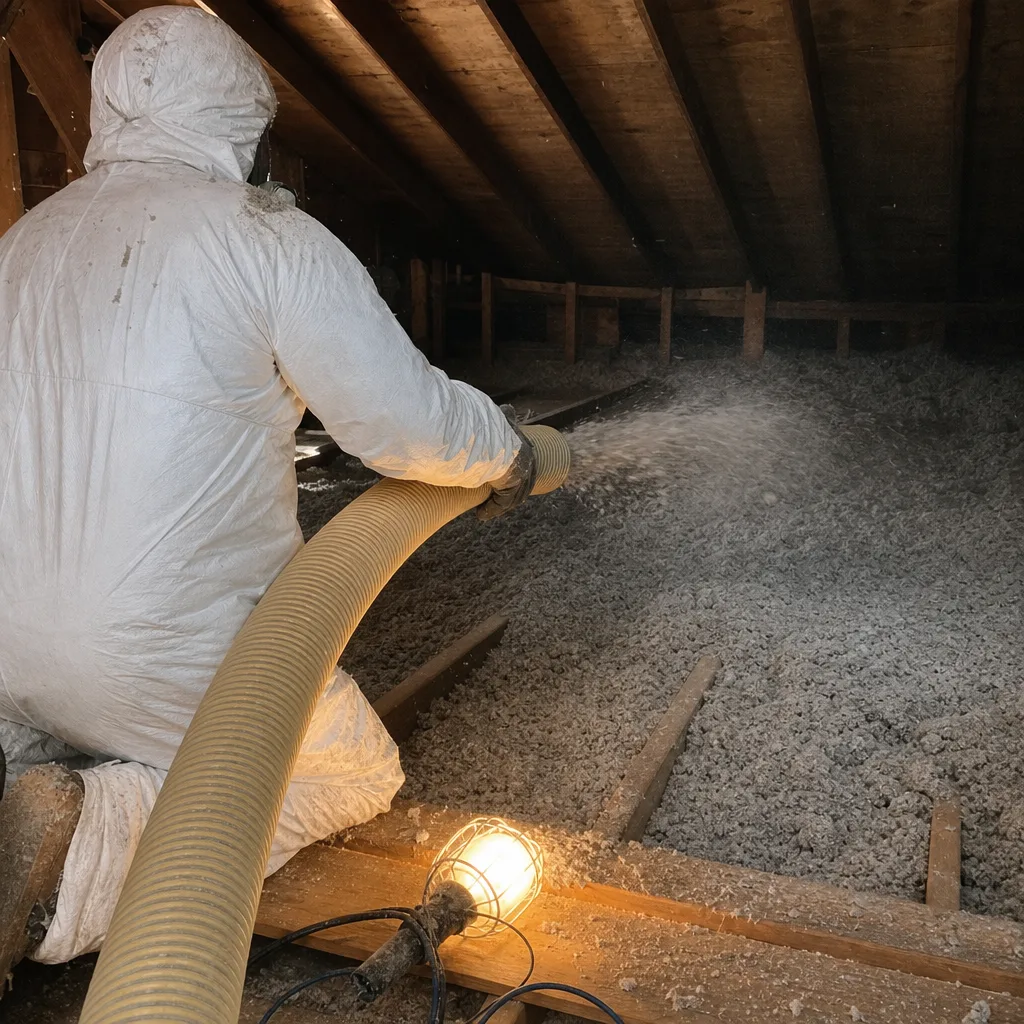
Blown-In Cellulose
We use GreenFiber cellulose on most Alhambra attic retrofits - it’s treated with borate for fire and pest resistance, and it packs well into the irregular joist bays common in 1920s-1940s construction. On that 1928 Spanish Colonial Revival duplex near Granada Park, our crew was set to blow cellulose over an empty attic, but the pre-job walk surfaced active knob-and-tube runs under the old boards. We stopped, had the homeowner’s electrician clear and sign off, then returned with GreenFiber cellulose and dense-packed the stucco wall cavities through drilled ports. The upper unit’s west-facing rooms dropped noticeably in afternoon heat, and the homeowner finally stopped running a window AC in the converted back ADU.
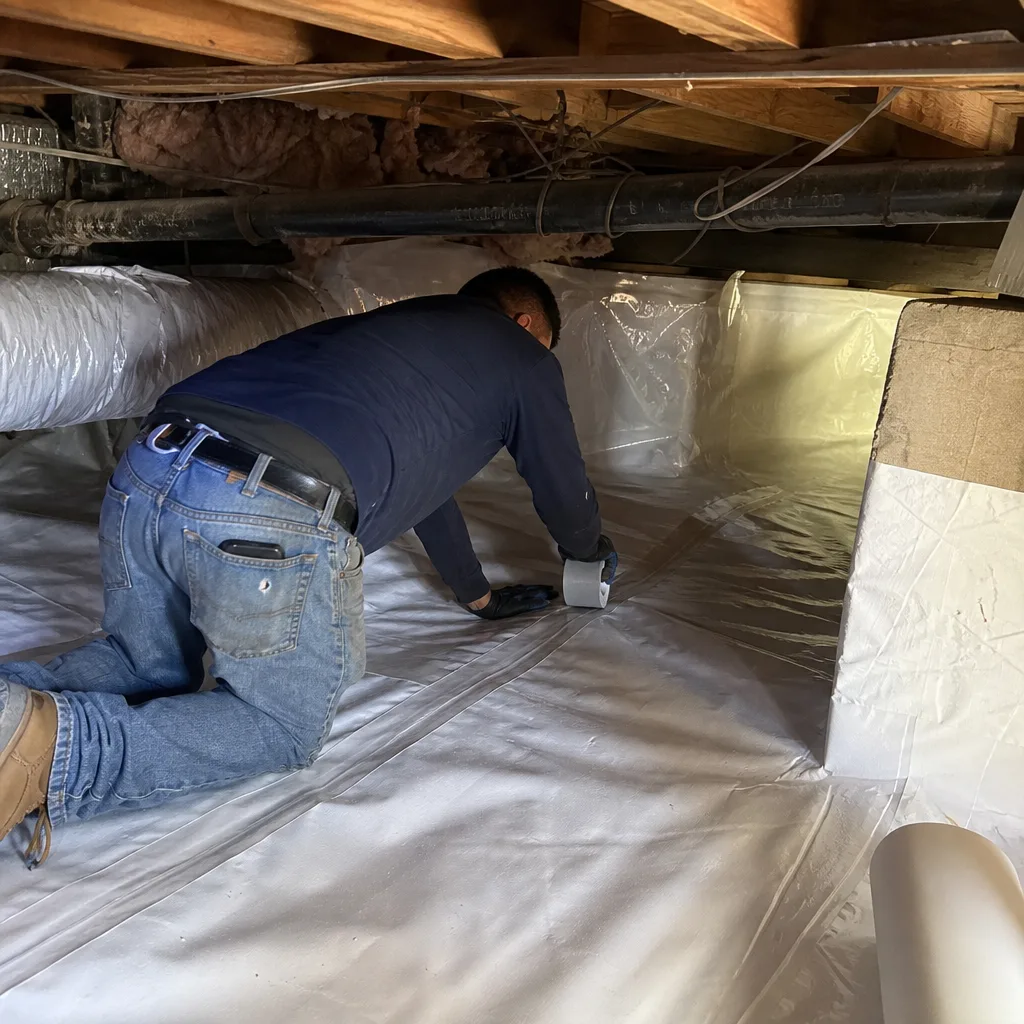
Blown-In Fiberglass
Owens Corning and Johns Manville fiberglass work well for Alhambra’s postwar 1950s-1960s stucco tract homes, where attics are more regular and wiring has been updated. Fiberglass doesn’t settle as aggressively as cellulose, which matters in attics with minimal access for future top-ups. We still air-seal first - top plates, can lights, plumbing chases - before the blower truck arrives.
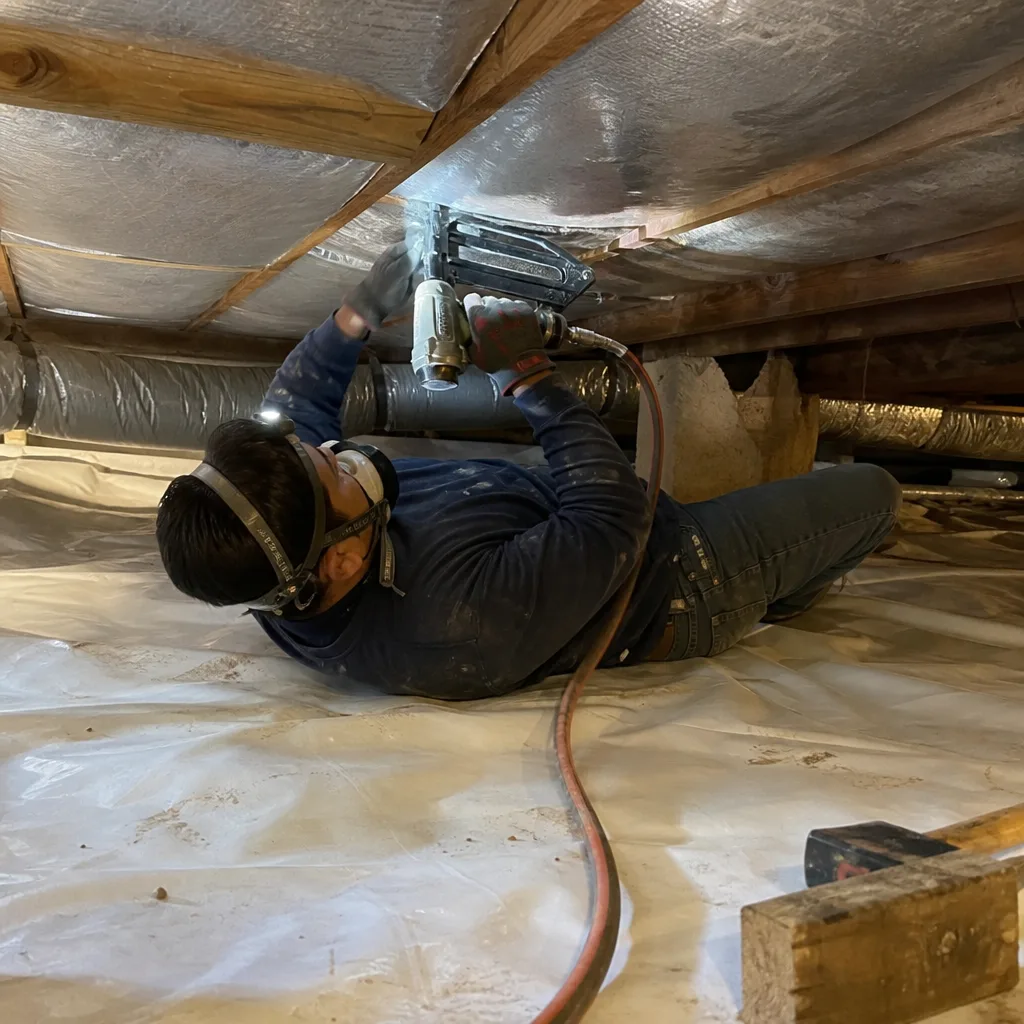
Dense-Pack Wall Insulation
This is the critical service for Alhambra’s stucco-clad Craftsman and Spanish Colonial homes. Batt installation is nearly impossible through stucco without full demolition, so we drill ports at stud-bay intervals and blow cellulose or fiberglass at 3.5-4.0 pounds per cubic foot until the cavity is packed solid. The material locks in place, won’t slump, and creates a continuous thermal barrier where none existed. Most Alhambra wall retrofits run $2,200-$5,000 depending on home size and cavity depth.
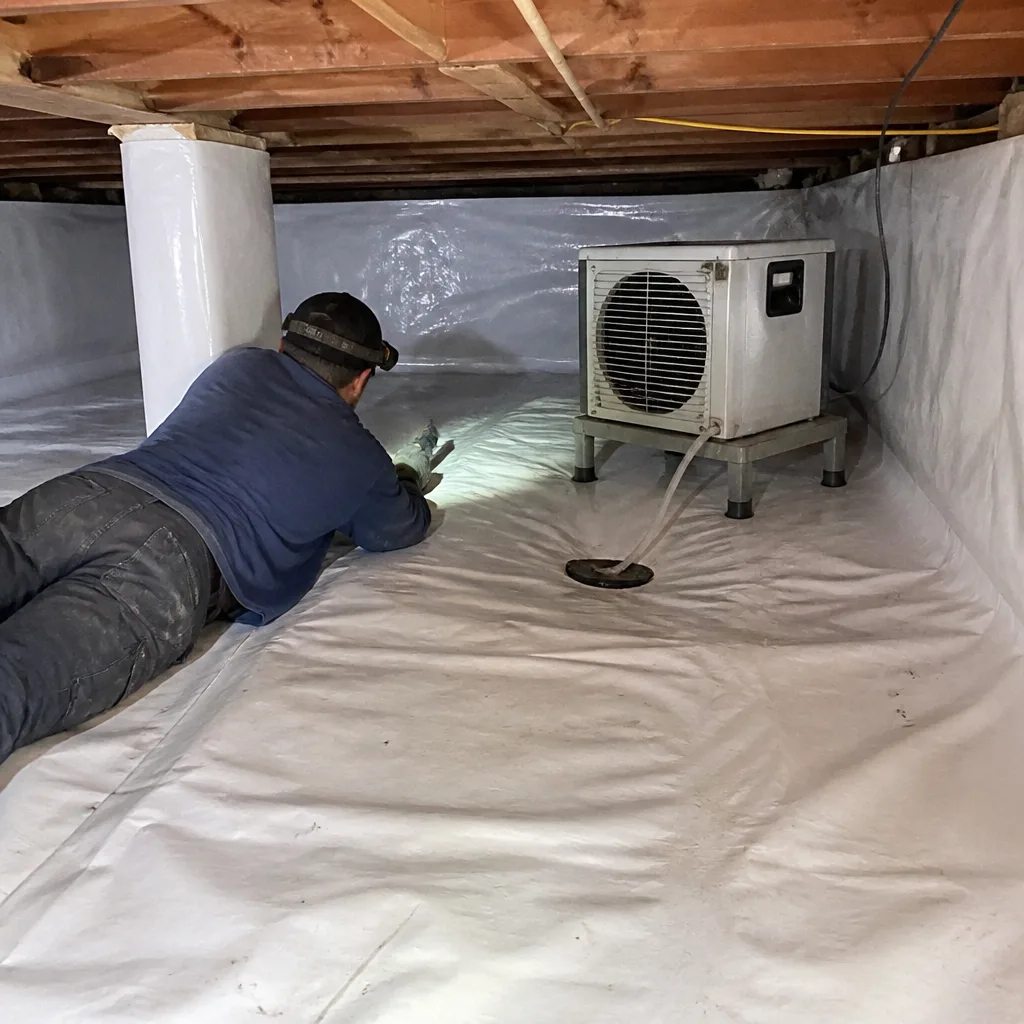
Blown-In Top-Up
Alhambra homes with existing insulation often have thin, uneven layers from decades-old work - sometimes R-11 or less where R-38 to R-49 is current Title 24 guidance for this climate zone. We don’t blow over unsealed attics. Our crew pulls back existing material, seals penetrations and partition walls (critical in converted duplexes and ADUs), then blows new material to the specified depth. The homeowner gets before-and-after blower-door readings where applicable, plus the photo record showing what was sealed.
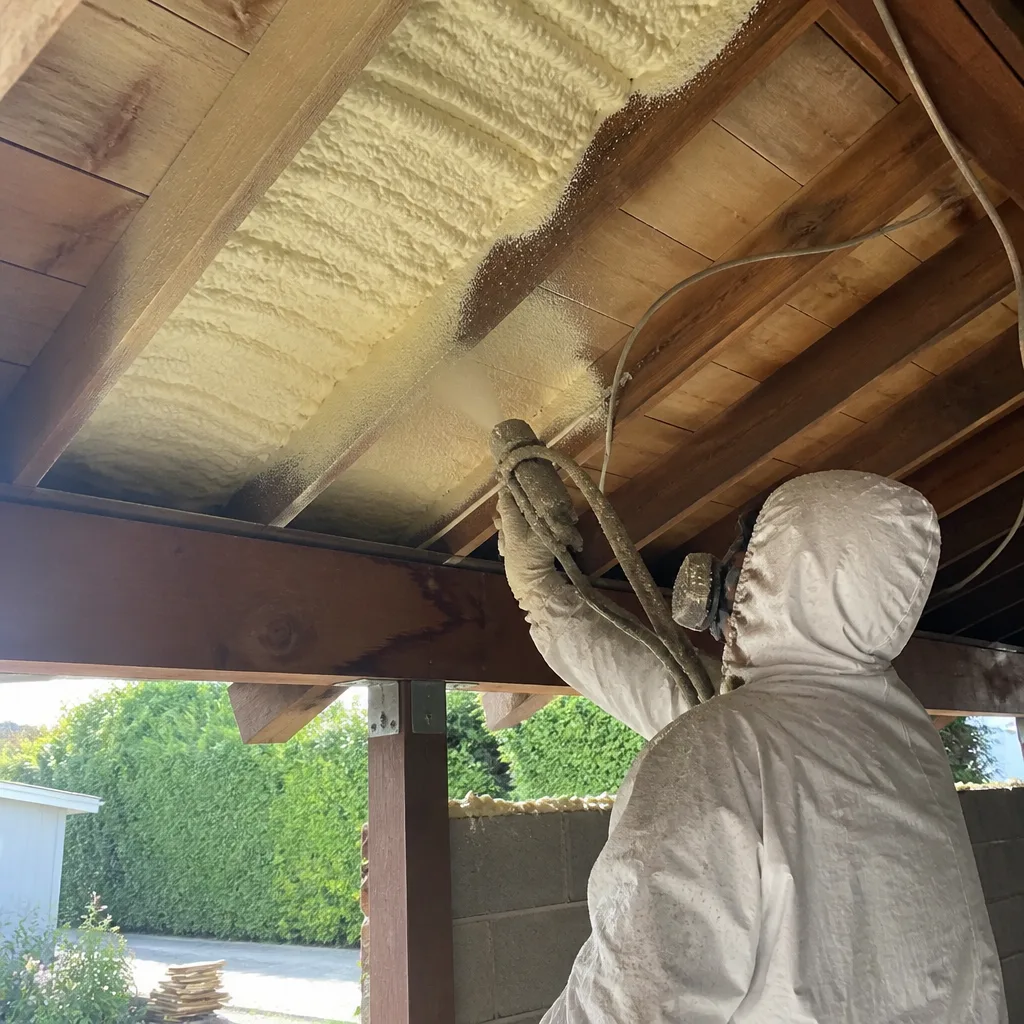
What happens when you call
- 1
A real person answersNo phone trees - you reach a local pro.
- 2
You get an upfront price rangeHonest numbers before anyone is dispatched.
- 3
A background-checked tech heads outLicensed & insured, dispatched right away.
- 4
You approve before work beginsNothing starts until you say go.
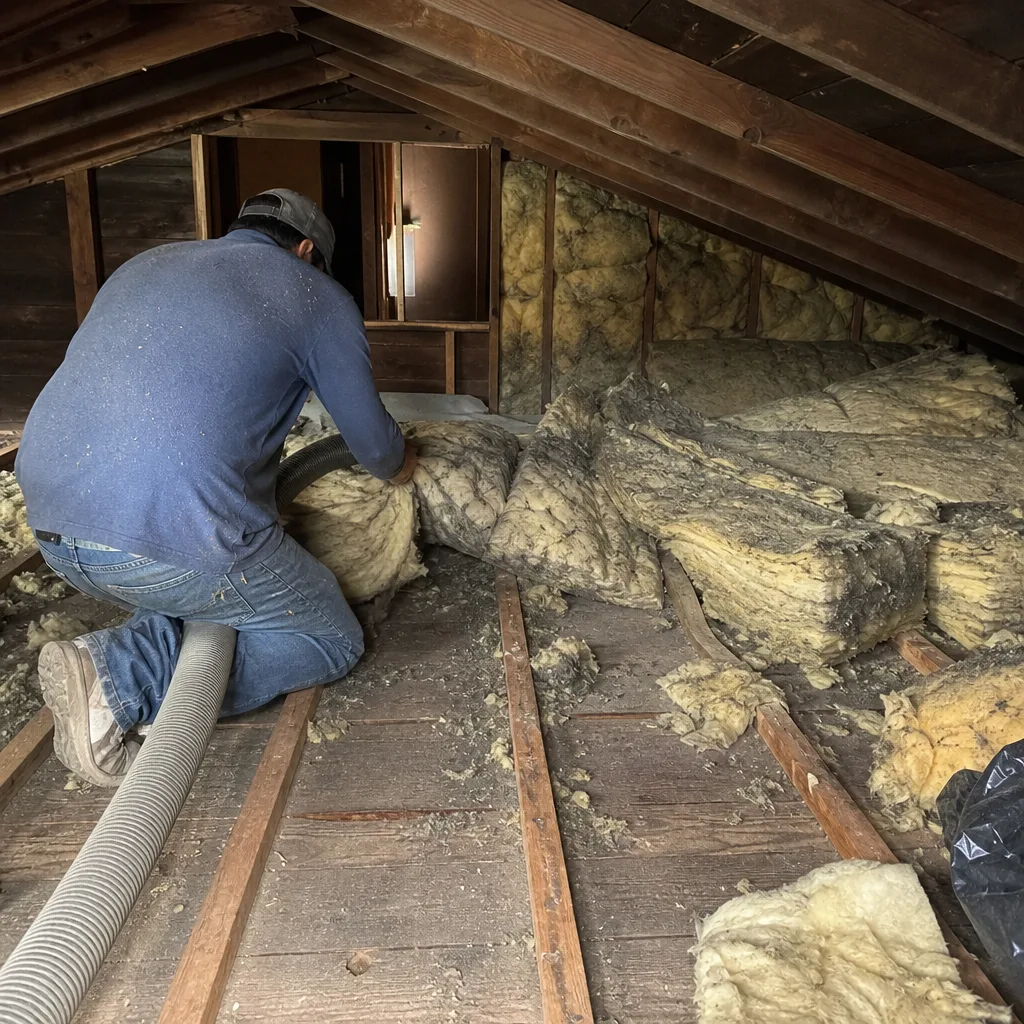 Before
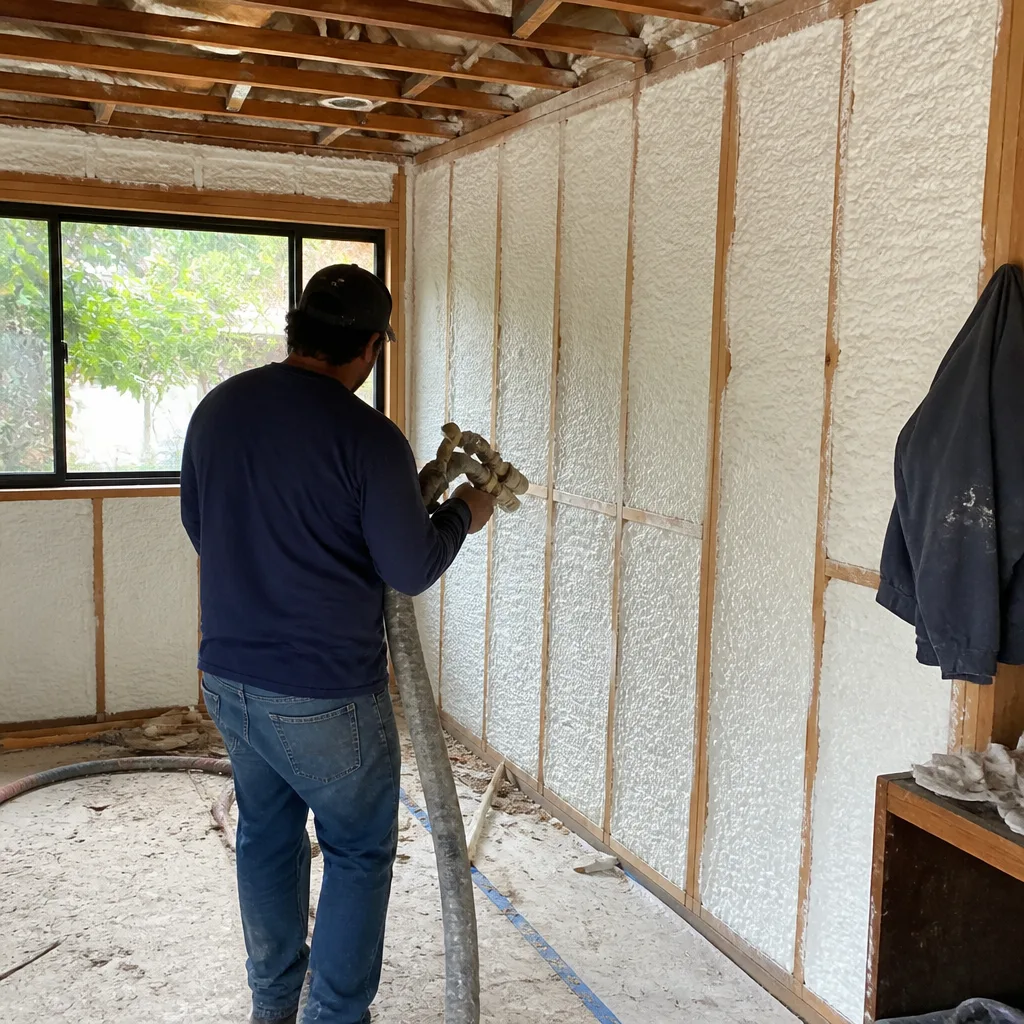 After
AfterTrusted Brands We Service in Alhambra
We source blown-in materials from Owens Corning, Johns Manville, Knauf, and GreenFiber - no proprietary lock-in, so we match the material to the building rather than the other way around. For Alhambra’s dense-pack wall work, we typically stock GreenFiber cellulose and Owens Corning fiberglass at our Los Angeles warehouse, which means no supplier delay when a job clears electrical inspection and we’re ready to return. The homeowner receives the product specification sheet as part of the written scope, so they know exactly what went into their walls and attic.
Common Blown-In Insulation Problems We See in Alhambra Homes
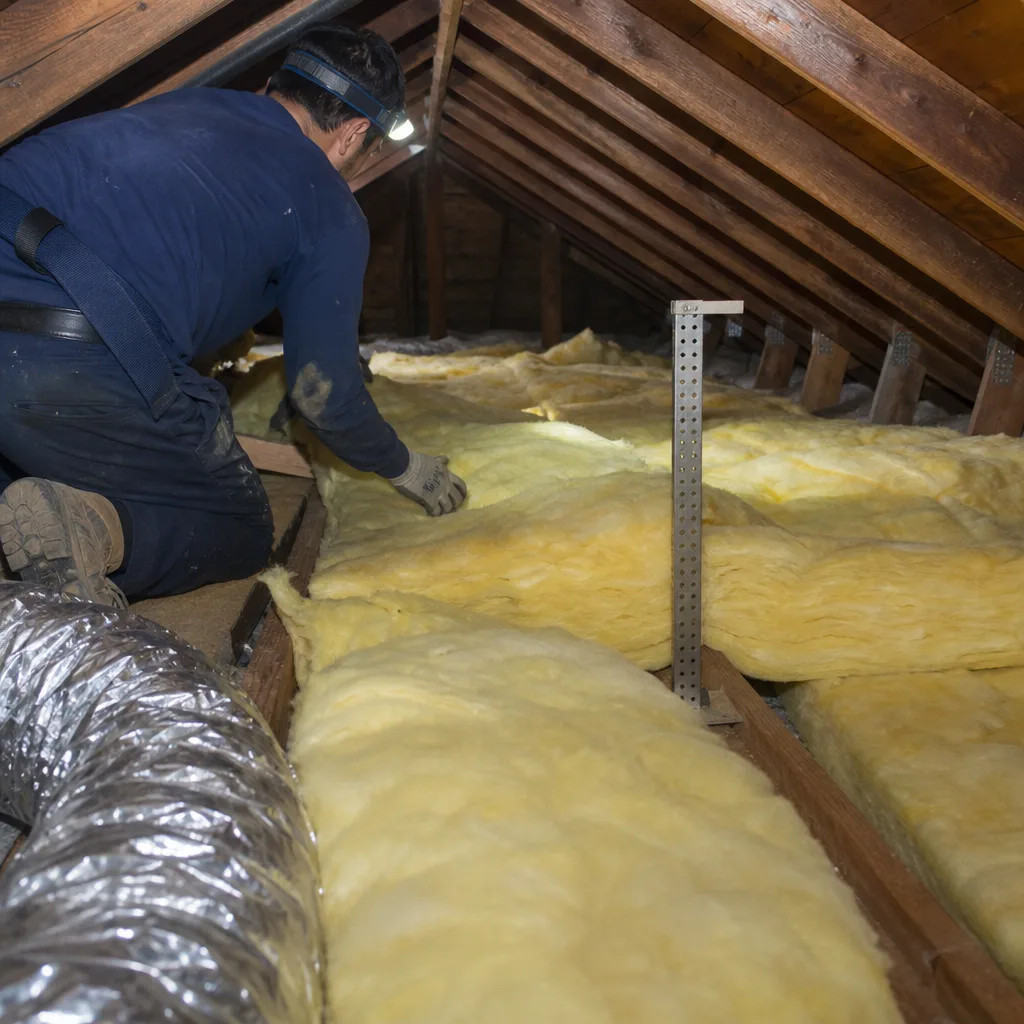
- Blowing insulation over live knob-and-tube wiring without electrician clearance. California code prohibits this outright, and Alhambra’s pre-1950 bungalow stock still contains active K&T in surprising numbers. We catch it on the pre-job walk, but homeowners who’ve had uncertified work done in the past may be sitting on a code violation and fire risk.
- Using batt-style installation assumptions on stucco walls. The majority of Alhambra’s Craftsman and Spanish Colonial homes have stucco cladding that makes batt retrofit impractical. Dense-pack blown-in through drilled ports is the only method that fills cavities completely without exterior demolition.
- Topping up attics without air sealing first. Converted duplexes and ADUs common in Alhambra have partition walls, plumbing chases, and old can lights that create direct air paths from attic to living space. New insulation over unsealed leaks is money spent on material that won’t perform.
- Ignoring the inland heat island effect. Alhambra’s summer temperatures regularly exceed 95°F, and the delta from coastal LA means R-value assumptions based on milder climates understate what’s needed here. We size for San Gabriel Valley conditions, not Santa Monica.
Pricing for Blown-In Insulation in Alhambra, CA
Most full attic blown-in jobs in Alhambra run $1,800-$4,500, with the range driven by attic square footage, existing material removal needs, and the extent of air sealing required. Dense-pack wall insulation adds $2,200-$5,000 for a typical single-family home, more for duplexes with separate metering and partition complexities. Blown-in top-ups where the existing layer can stay and be supplemented start around $1,200-$2,800.
What moves the number: active knob-and-tube wiring requiring electrician coordination (we build this into the scope, but the electrician is a separate trade), rodent-damaged insulation requiring full removal and sanitization, and homes with multiple attic zones from ADU conversions. Every job gets a written price before work starts - Haven Standard Clause 1 - and we offer a free second opinion on any competing written estimate.
| Service | Typical Range in Alhambra |
|---|---|
| Full attic blown-in (cellulose or fiberglass) | $1,800 - $4,500 |
| Dense-pack wall insulation | $2,200 - $5,000 |
| Blown-in top-up over existing | $1,200 - $2,800 |
| Attic air sealing (standalone) | $800 - $2,000 |
Call (213) 474-3828 for a written estimate - no work starts without one.
We Also Serve Cities Near Alhambra
Our crews work throughout the San Gabriel Valley and beyond, including Alhambra neighbors like South Pasadena, San Gabriel, Pasadena, and El Monte. Dispatch is coordinated from our Los Angeles office, with routing optimized for same-day response across this cluster. Whether you’re in a 1930s bungalow off Huntington Boulevard or a postwar tract near the 10 Freeway, the scope and pricing process is identical: written price first, documented record at completion.
Serving Alhambra, CA - Our Local Coverage Area
We’re based in the Alhambra area and know this community well. Use the map below to see our service coverage - if you’re nearby, we can almost certainly help.
FAQs - Blown-In Insulation in Alhambra
California electrical code prohibits covering active knob-and-tube wiring with blown-in insulation without a licensed electrician’s inspection and written sign-off. A large share of Alhambra’s pre-1950 bungalows still have original or partially active K&T in their attics, so our pre-job walk includes a wiring assessment. If we find live K&T, we stop, document the condition with photos for your record, and coordinate with your electrician before resuming. Call (213) 474-3828 and we’ll build the inspection timeline into your written scope so there are no mid-project surprises.
Yes, through dense-pack blown-in insulation. We drill small ports through the interior drywall or exterior stucco at stud-bay intervals, then blow cellulose or fiberglass at high density until the cavity is packed solid. Batt installation is impractical behind stucco without full demolition, which is why dense-pack is the standard retrofit method for Alhambra’s stucco-clad Craftsman and Spanish Colonial homes. The ports are patched and finished to match.
It matters more. Alhambra’s inland San Gabriel Valley position regularly produces summer temperatures 10-15°F hotter than coastal neighborhoods, with pronounced heat gain through under-insulated envelopes and periodic Santa Ana wind events that strip any thermal buffer. A home with empty wall cavities and thin attic insulation in Alhambra will run cooling systems harder, longer, and earlier in the season than an identical home in Venice or Santa Monica. The payback period on proper insulation is shorter here because the energy penalty is steeper.
They need more attention to air sealing at partition walls and separate utility penetrations. Many Alhambra conversions added ADUs or second units without updating the original envelope, which means shared attic spaces, additional plumbing chases, and partition walls that weren’t designed as thermal boundaries. We seal these transitions before blowing insulation, and we document the separation with photos so both units’ performance is protected. The 365-Day Done Right Promise applies to all completed work, including converted properties.
We typically use GreenFiber cellulose for attics and dense-pack walls, Owens Corning or Johns Manville fiberglass for postwar homes with regular joist bays and updated wiring, and Knauf products where specific density or fire-rating requirements apply. The material is specified in your written scope before work starts - no substitutions without written approval. We source from multiple manufacturers specifically so we can match the product to your home’s condition rather than pushing a single proprietary line.
Written by Wes Okafor, Owner at Topside Attic Insulation Glendale, serving Alhambra and the San Gabriel Valley since 2016.