
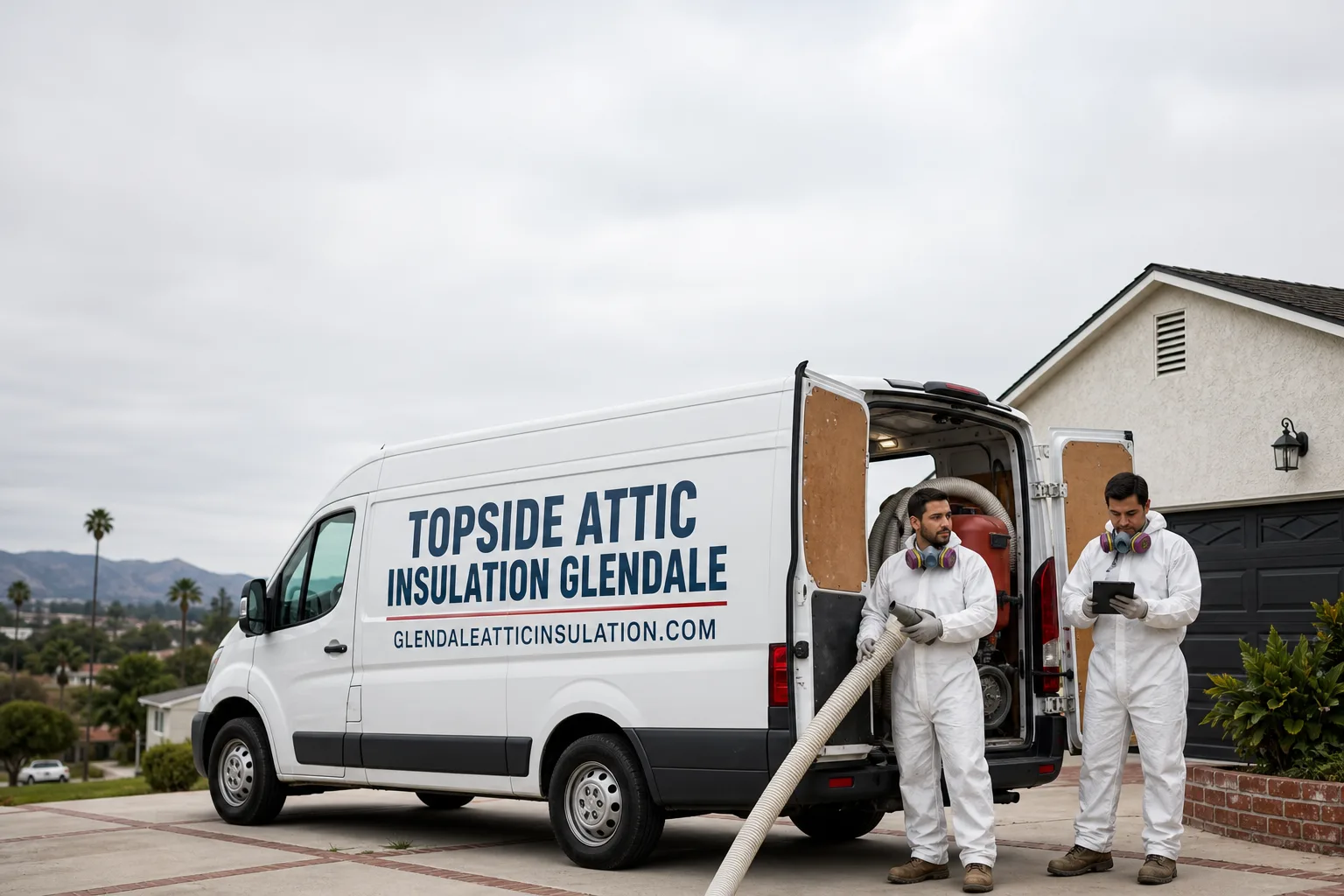
Fast, Reliable Blown-In Insulation Across South Pasadena
Blown-in insulation in South Pasadena typically runs $2.80-$4.50 per square foot for attic work and $4.50-$7.00 per square foot for dense-pack wall cavities, with most jobs completed in one day once any electrical clearance is handled. We’re familiar with the tight lots along Marengo and Meridian, the alley-loaded garages off Oak Street, and the permitting realities at South Pasadena’s building department. Crews dispatch from our Los Angeles office and carry stock for same-day starts on standard attic top-ups. Call (213) 474-3828 for a written price before any work starts.
Why Topside Attic Insulation Glendale Is South Pasadena’s Preferred Blown-In Insulation Company
We’ve worked South Pasadena’s historic streets long enough to know which block faces have active HPOZ overlays and which don’t. Our Blown-In Insulation team has sealed and insulated over 9,000 homes since 2016, and the South Pasadena jobs are consistently the ones where we spend the most time on pre-work coordination, not the installation itself. That’s because this city doesn’t work like Alhambra or Monrovia.
Reviews from South Pasadena customers mention the same things: we showed up with a written scope, we flagged the knob-and-tube before blowing anything, and we delivered blower-door numbers after. Response time to South Pasadena is typically same-day for estimates and next-day for scheduled work, pending any electrical sign-off. We know the difference between a contributing structure on Rollin Street and a non-landmarked bungalow closer to the freeway corridor, and we price accordingly because the access methods differ.
Every job closes with a Documented Photo Record and, on applicable work, before-and-after blower-door readings. Under Haven Standard: Have it in writing. That means your price, your scope, and your warranty are delivered before anyone lifts a tool.
Our Blown-In Insulation Services in South Pasadena
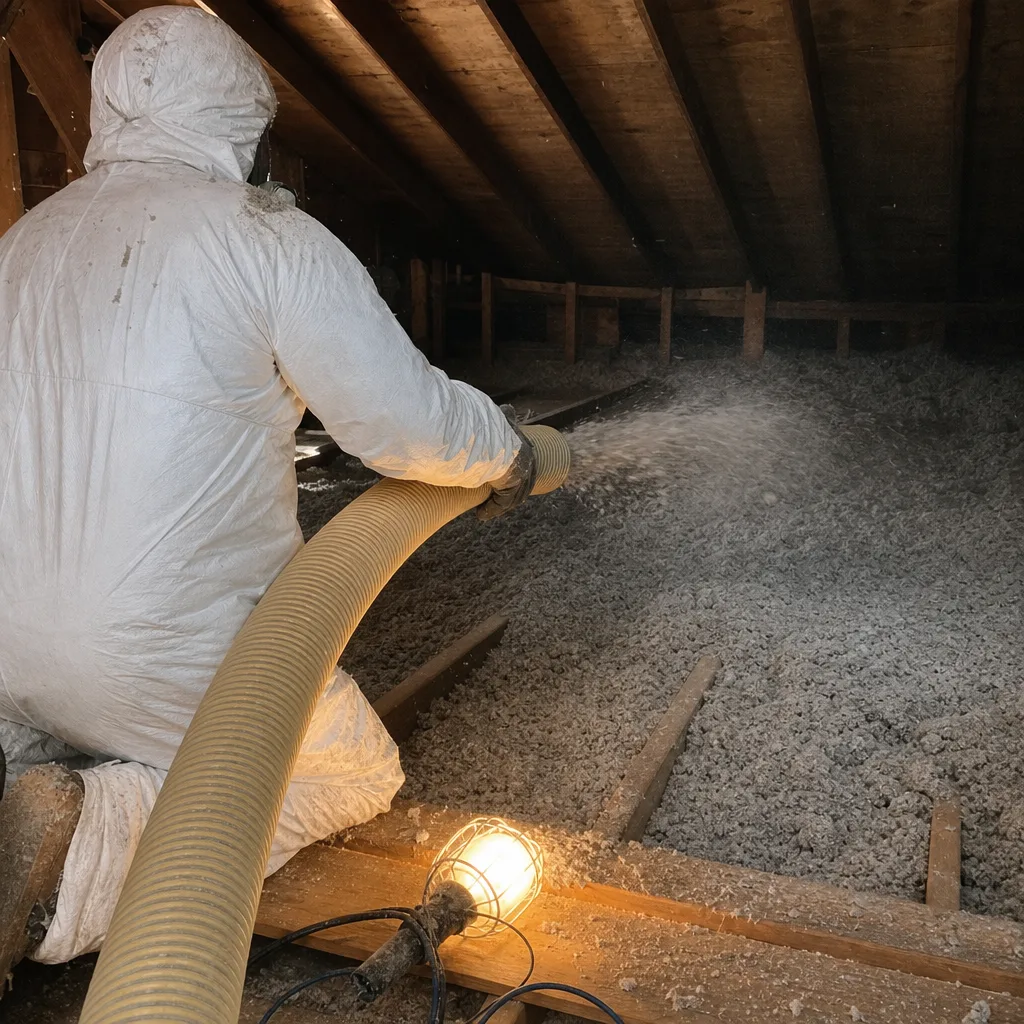
Blown-In Cellulose
We blow GreenFiber cellulose in South Pasadena attics where the thermal boundary needs rebuilding from scratch. Cellulose performs well in the San Gabriel Valley’s wide seasonal swing, it settles less than older batts, and it handles the 130°F attic peaks we measure on dark-roofed Craftsman bungalows. For homes near the Arroyo Seco with minimal ridge ventilation, cellulose’s density helps slow convective looping in the attic plane.
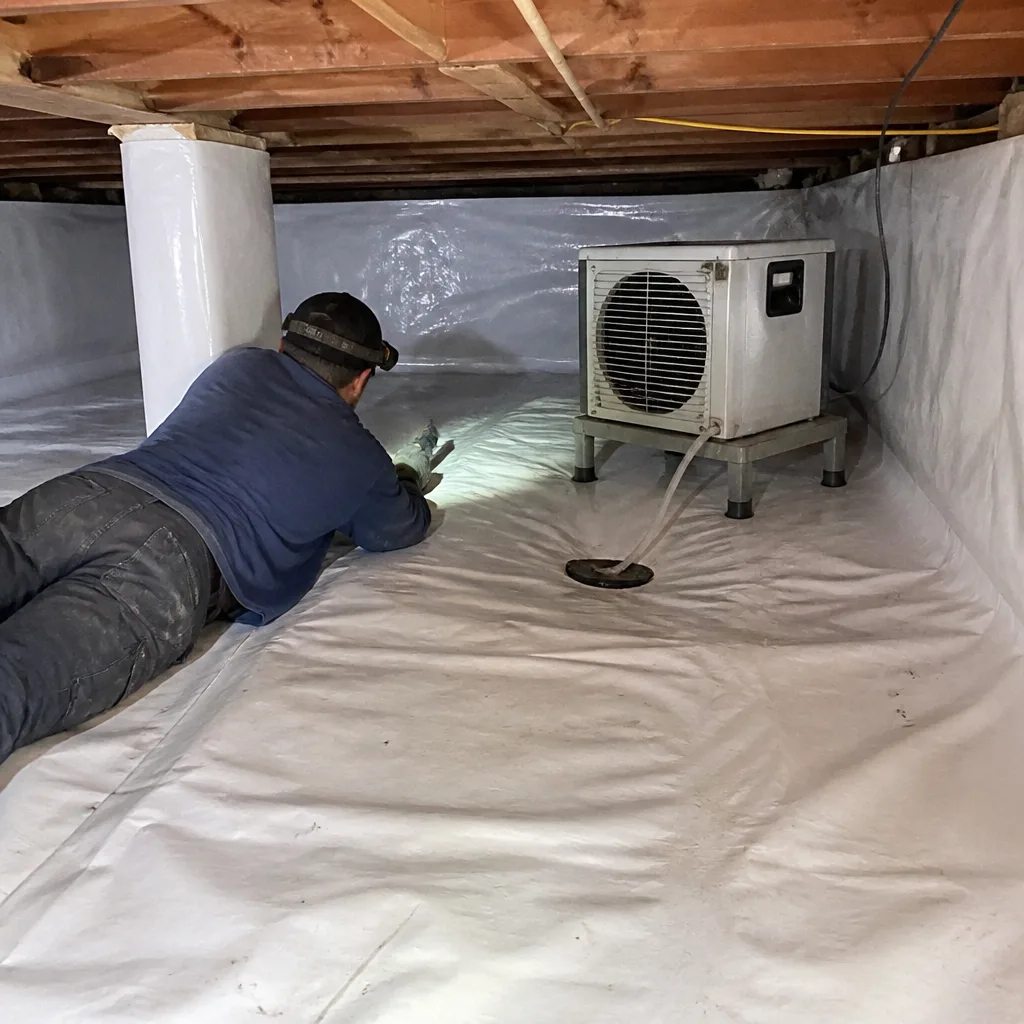
Blown-In Fiberglass
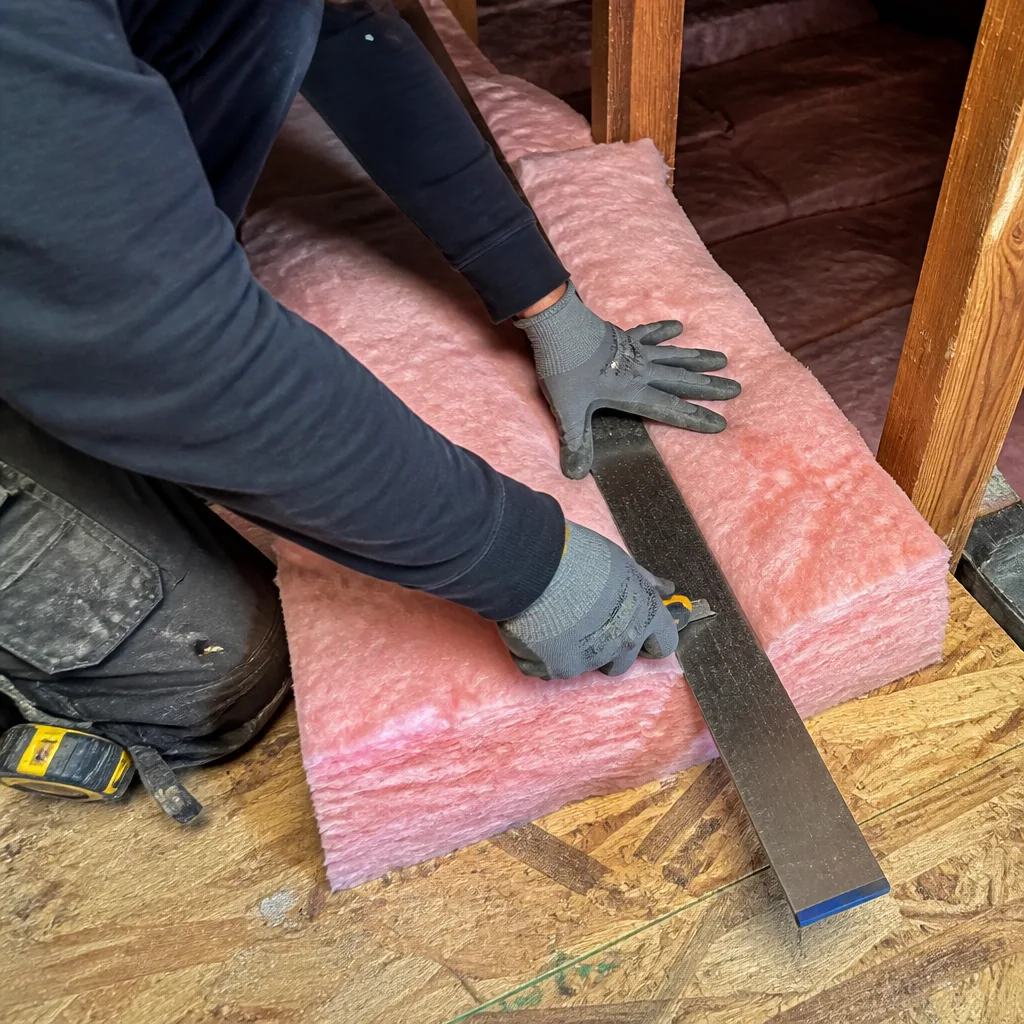
Owens Corning blown fiberglass is our go-to for attic top-ups where the existing insulation is compressed but not contaminated. It’s lighter than cellulose, won’t hold moisture if a roof leak develops, and pairs well with air-sealing at the top plates. We see a lot of this on post-1940 infill homes in South Pasadena, the ones that aren’t landmarked but still have zero original wall insulation and thin attic cover.
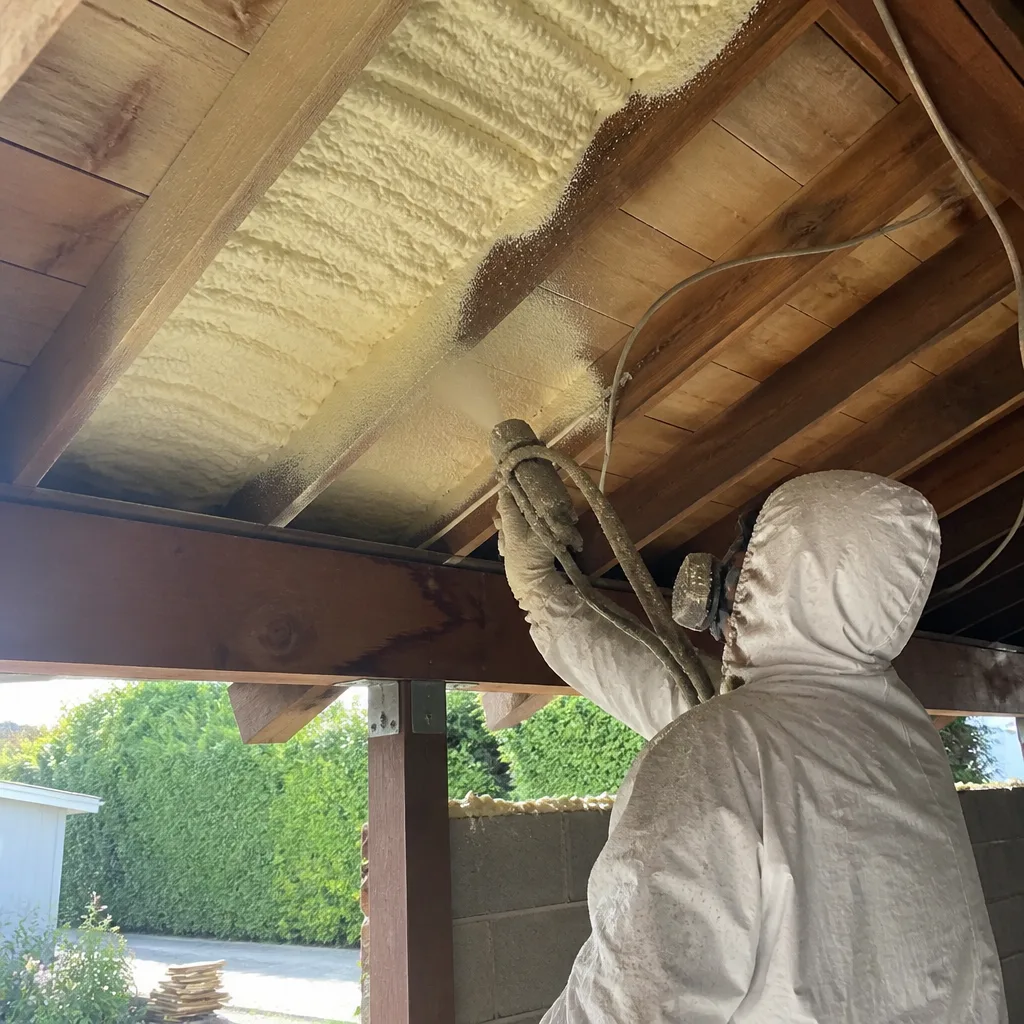
Dense-Pack Wall Insulation
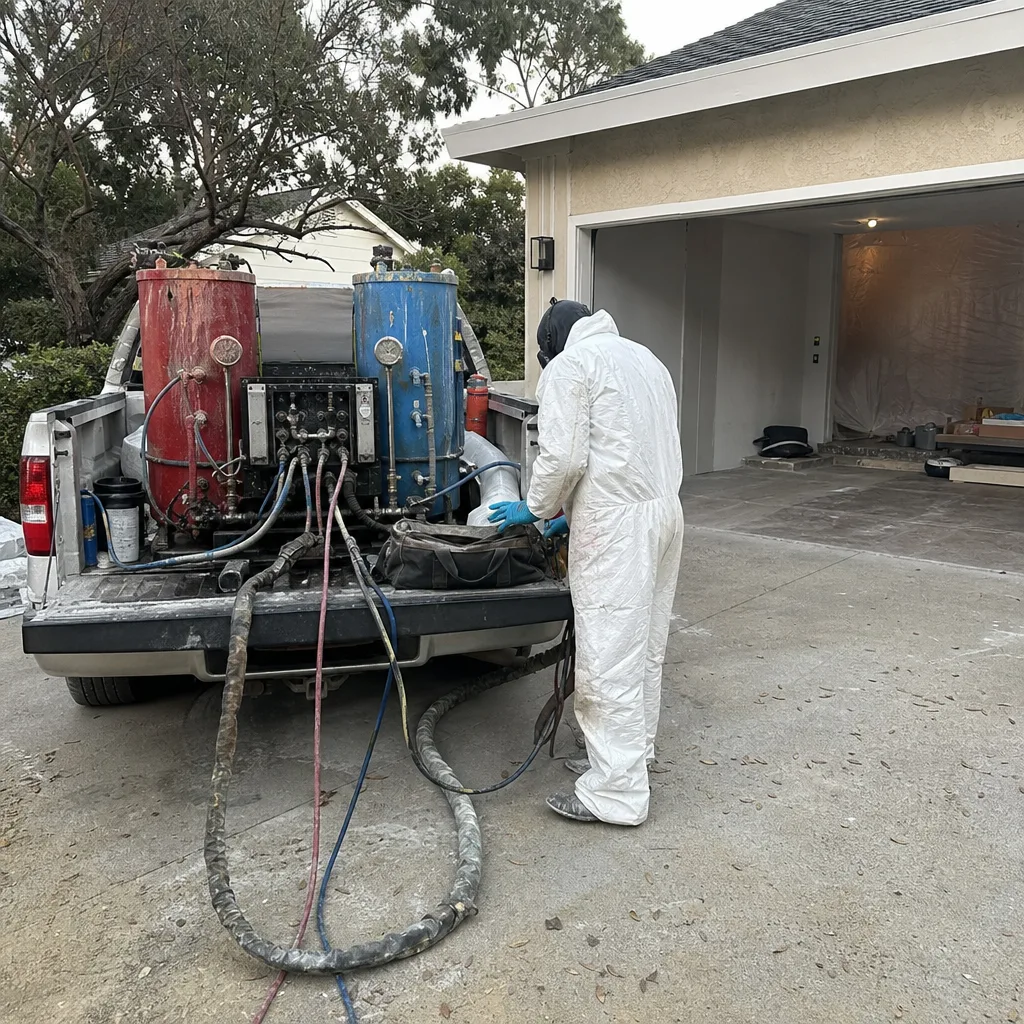
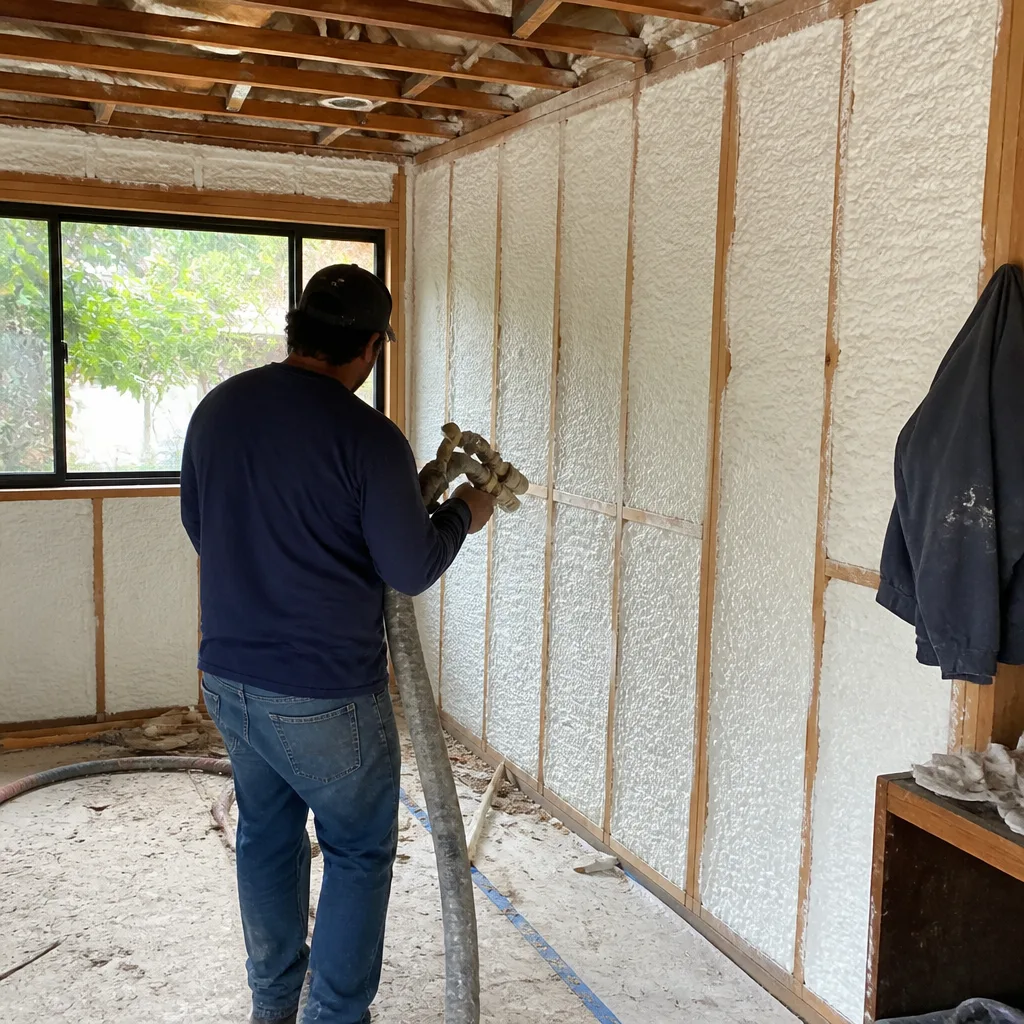
This is the service that defines our South Pasadena work. Because the Historic Preservation Commission restricts exterior penetrations on contributing structures, we dense-pack wall cavities from inside the home, not by drilling siding from outside. The process: remove a strip of interior plaster or drywall at each stud bay, fill the cavity under pressure with GreenFiber cellulose to 3.5 pounds per cubic foot, then patch and paint. It’s slower than drill-and-fill. It’s also the only method that keeps your Marengo or Meridian Street home clear of a preservation review. We’ve dense-packed dozens of South Pasadena bungalows this way, and every one finalled without a historic-district correction.
Blown-In Top-Up
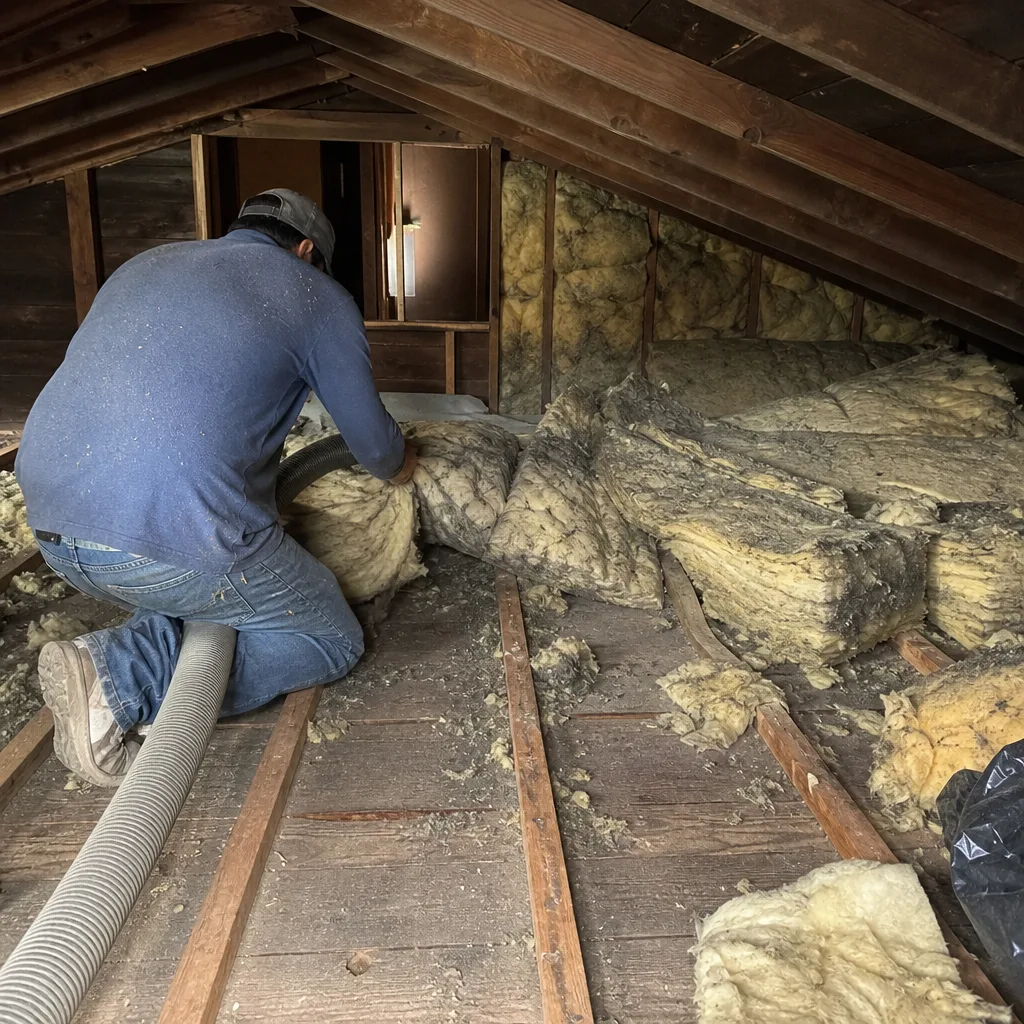
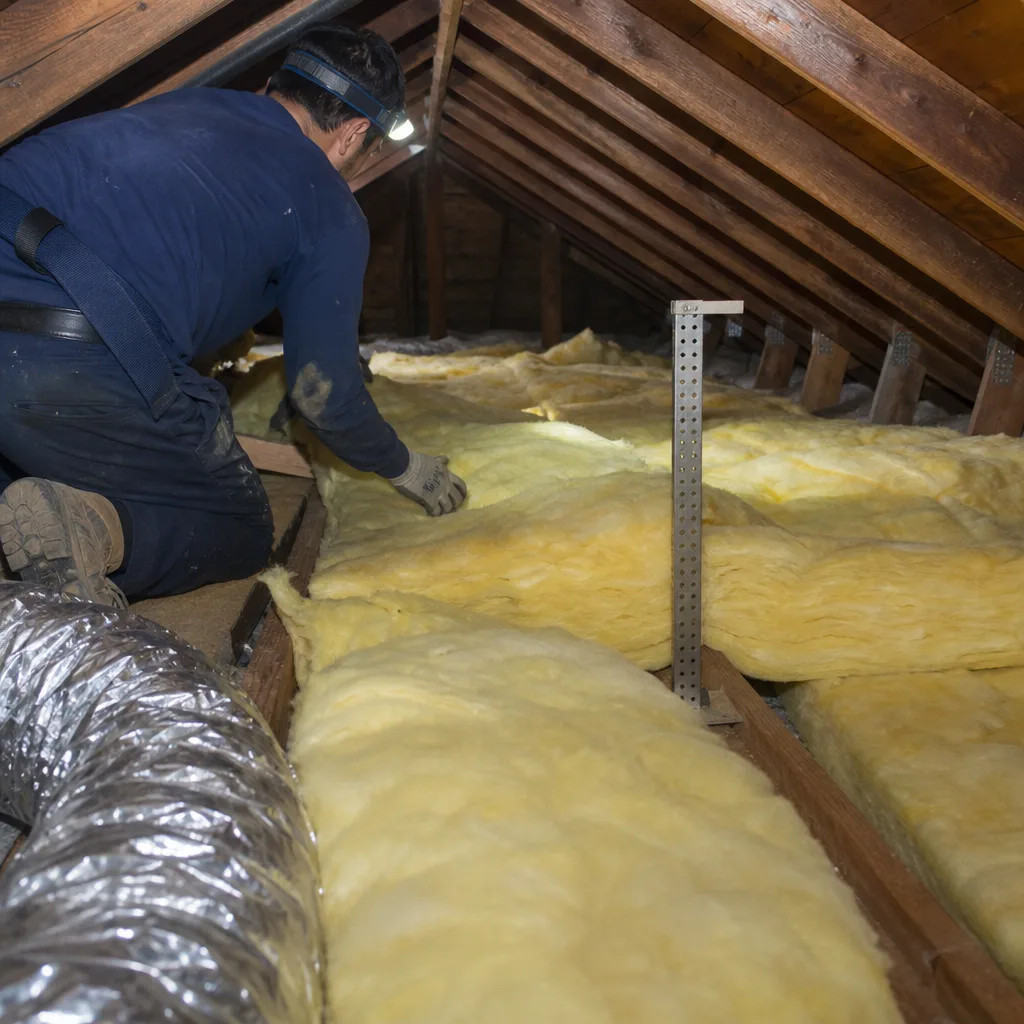
Attic insulation settles. In South Pasadena, where original rock wool from the 1920s has compressed to R-11 or less, a blown-in top-up with Owens Corning fiberglass or GreenFiber cellulose can restore the thermal boundary to R-38 or R-49 in a few hours. But we won’t blow over an unsealed attic floor. Our crew air-seals top plates, can lights, and penetrations first, then tops. The difference shows in the blower-door number.
What happens when you call
- 1
A real person answersNo phone trees - you reach a local pro.
- 2
You get an upfront price rangeHonest numbers before anyone is dispatched.
- 3
A background-checked tech heads outLicensed & insured, dispatched right away.
- 4
You approve before work beginsNothing starts until you say go.
 Before
 After
AfterTrusted Brands We Service in South Pasadena
We stock and install Owens Corning, Johns Manville, GreenFiber, and Demilec materials, sourced through standard distribution, not locked into any single manufacturer. For South Pasadena customers, this means we match the product to the access constraints and thermal goals, not the other way around. Dense-pack cellulose for your historic wall cavities, blown fiberglass for your vented attic, hybrid approaches where the building demands it. No proprietary product lock-in, no upsell to a “system” you don’t need.
Common Blown-In Insulation Problems We See in South Pasadena Homes
- Active knob-and-tube wiring under old insulation. California energy code prohibits covering K&T with insulation. We find live circuits in roughly one-third of South Pasadena’s pre-1935 attics. The job stops until a licensed electrician certifies replacement or signs off on safe clearance. We coordinate this step; we don’t skip it.
- Exterior drill-and-fill attempted on landmarked homes. Drilling through original clapboard or shingle siding on a contributing Craftsman triggers Historic Preservation Commission review, often after the fact. We see this when homeowners hire out-of-area contractors who don’t know South Pasadena’s rules. Our dense-pack method avoids the issue entirely.
- Blown top-ups without air-sealing. An attic can hold R-49 worth of fiberglass and still bleed conditioned air through unsealed top plates and can-light penetrations. In South Pasadena’s inland heat, that air leakage undercuts cooling performance within a season. We seal first, then insulate. In that order.
- Zero wall insulation in balloon-frame bungalows. South Pasadena’s 1905-1930 housing stock was built without cavity insulation. Winter morning temperatures in these homes drop fast because the stud bays are open to the attic and basement. Dense-pack cellulose breaks that thermal bridge.
Pricing for Blown-In Insulation in South Pasadena, CA
Most attic blown-in jobs in South Pasadena run between $2.80 and $4.50 per square foot of attic floor, depending on whether we’re removing old material first and how much air-sealing the top plates need. Dense-pack wall insulation, the method we use for historic homes with interior access only, runs $4.50 to $7.00 per square foot of wall area, higher than standard drill-and-fill because of the interior patchwork. Blown-in top-ups over existing, clean insulation start around $1.80 per square foot.
What moves the number: active knob-and-tube requiring electrical coordination, interior plaster repair after dense-pack, and attic air-sealing extent. We deliver a flat written price before any work starts, Haven Standard Clause 1, no exceptions. Bring us a competing written estimate and we’ll read it with you, free second opinion. Call (213) 474-3828.
We Also Serve Cities Near South Pasadena
Our crews work South Pasadena regularly and also handle blown-in insulation in Alhambra, Pasadena, San Gabriel, and Altadena. Each city has different housing stock and different permitting realities; we price and scope accordingly.
Serving South Pasadena, CA - Our Local Coverage Area
We’re based in the South Pasadena area and know this community well. Use the map below to see our service coverage - if you’re nearby, we can almost certainly help.
FAQs - Blown-In Insulation in South Pasadena
Because exterior penetrations on contributing structures in South Pasadena’s historic districts trigger Historic Preservation Commission review, and many homes on Marengo, Meridian, and Rollin are landmarked or HPOZ-protected. We dense-pack from inside to avoid drilling original siding, which keeps your job on schedule and clear of preservation corrections. Call (213) 474-3828 for a scope review.
No, not legally. California energy code and South Pasadena’s building department both prohibit covering active K&T with insulation. We hold the job until a licensed electrician replaces or certifies the system, then we proceed. We coordinate this step with your electrician so the permit finals clean. Call (213) 474-3828 and we’ll walk through the sequence.
Dense-pack cellulose from inside the wall cavity, at 3.5 pounds per cubic foot, is the standard approach for South Pasadena’s pre-1935 balloon-frame bungalows. It fills the stud bays without exterior drilling, it won’t settle, and it handles the seasonal swing from winter mornings to 105°F summer afternoons. We pair this with attic air-sealing and a blown top-up for a complete thermal boundary.
South Pasadena runs 15-20°F hotter than the coast in summer, and dark-roofed Craftsman attics here regularly hit 130°F. That makes air-sealing at the attic plane more valuable than the insulation material itself, though cellulose’s density slows convective heat gain slightly better than fiberglass in poorly vented spaces. We measure the difference with a blower-door test before and after.
For attic work, no, we access through the home. For dense-pack wall work, we stage inside the living space, so rear access helps for material delivery but isn’t required. We’ve worked plenty of zero-setback lots off Oak Street where the only access is through the front door. We protect floors and furniture, and we clean daily.
Written by Wes Okafor, Owner at Envelope Insulation Co., serving South Pasadena under The Haven Standard since 2016.