
Owens Corning Radiant Barrier Installation: The Glendale Owner’s Guide
Most Owens Corning radiant barrier installations in Glendale run between $1,800 and $3,400 for a typical 1,200-2,000 square foot attic, and we stock the full OC system on our truck for same-day starts when the attic is accessible. The Owens Corning AtticCat radiant barrier system, which pairs reflective foil sheeting with proper attic ventilation, is what we see most often in homes built between 2005 and 2019 across the Glendale hills. Homeowners usually figure out something’s wrong when their second floor won’t cool below 78°F in July even though the AC runs nonstop, or when they spot foil sheets peeling away from the rafters during a routine duct inspection.
Which Owens Corning Models This Applies To
Owens Corning makes two distinct radiant barrier products that show up in Glendale attics, and knowing which one you have changes both the material list and the labor estimate.
The AtticCat Radiant Barrier is a perforated, double-sided aluminum foil laminated to a reinforced scrim. It comes in 4-foot widths and installs stapled to the underside of roof rafters, creating an air gap that blocks radiant heat transfer from the roof deck. Look for the OC logo and “ASTM C1313” printed along the edge. The EnergyComplete system, less common here but present in some 2012-2016 builds near Chevy Chase Canyon, combines a radiant barrier with a spray-applied sealant at the top plates. That system requires different handling because the sealant layer must be inspected before new foil goes up.
We also carry Reflectix as a quality aftermarket equivalent when Owens Corning stock is backordered, though we default to OC material on OC systems to keep warranty language clean. The compatibility gotcha: AtticCat foil is 48 inches wide, while some generic rolls are 51 inches. That extra three inches bunches at the eaves and traps moisture against the rafter tails, which is exactly what we found in a Verdugo Woodlands ranch last March. We measure before we order.
Signs Your Owens Corning Radiant Barrier Installation Is Failing
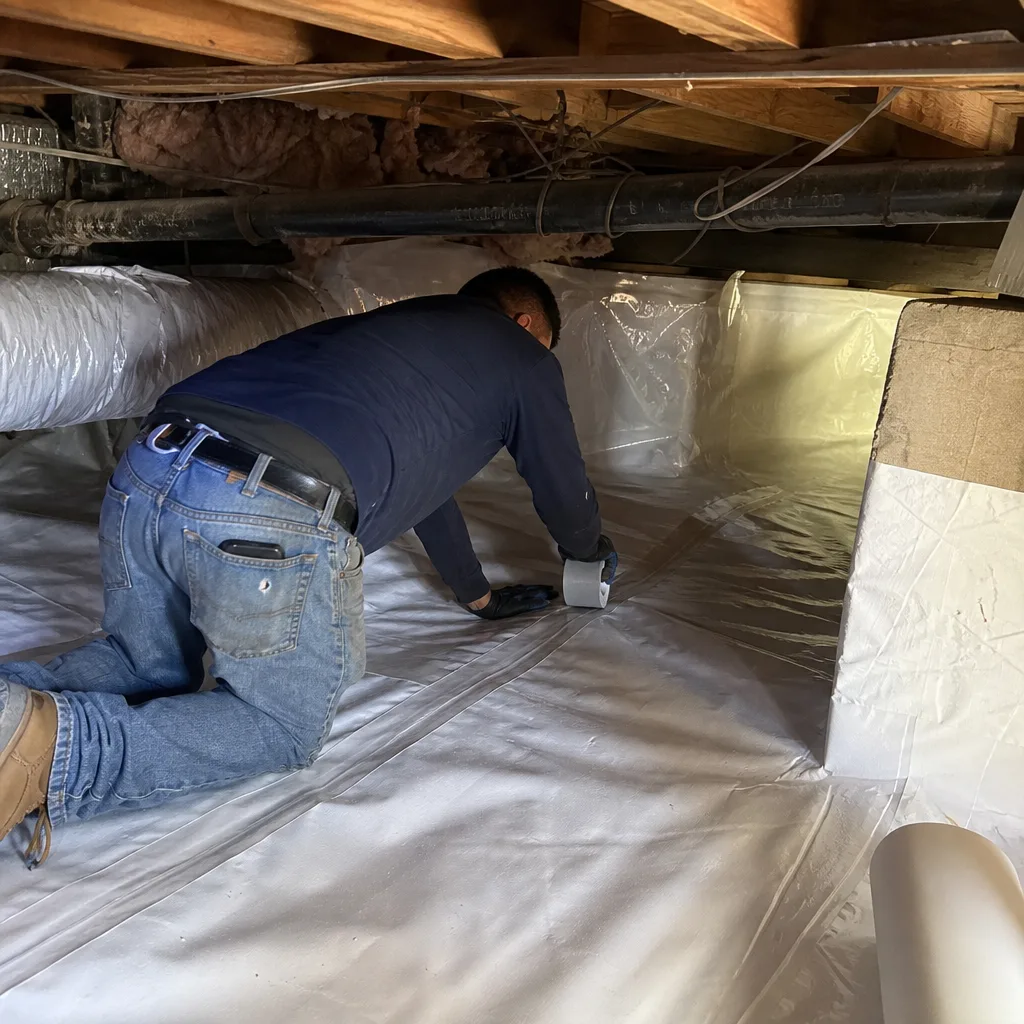
- Foil sheets peeling or sagging from rafters. The staples pull out when attic temperatures cycle past 140°F repeatedly, which happens in Glendale from June through October. Once the foil droops, it contacts the insulation below and stops reflecting; it becomes a conductor.
- Second floor runs 8-12°F warmer than the first. Radiant barrier doesn’t replace insulation, but when it’s working, it should knock 15-25% off your cooling load. If that delta disappears, the barrier is compromised or missing in key roof planes.
- Dust accumulation on the foil surface facing down. Owens Corning perforates AtticCat so moisture can escape, but dust settles through those holes and dulls the reflective face. A foil sheet that reads 0.03 emissivity new can read 0.25 after five dusty Glendale summers, which is functionally failed.
- Water staining at the eaves or ridge. This means the radiant barrier was installed as a continuous sheet without proper vent chutes, blocking airflow from soffit to ridge. Owens Corning specifies a 2-inch minimum gap; we find violations in about 30% of the attics we enter here.
- Insulation compressed or displaced directly below failed foil. When foil falls, it lands on the insulation and crushes it. Blown fiberglass that started at R-38 can read R-19 or lower where the foil has pooled.
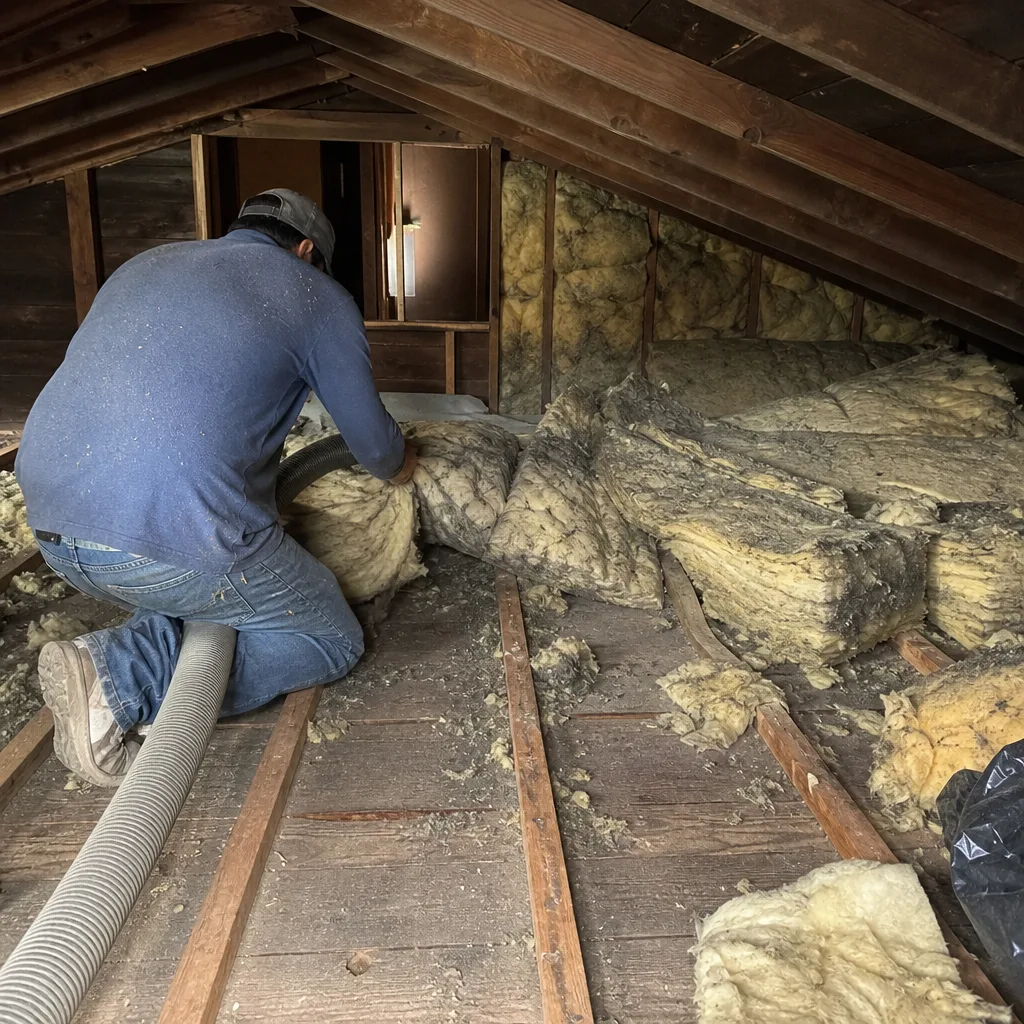 Before
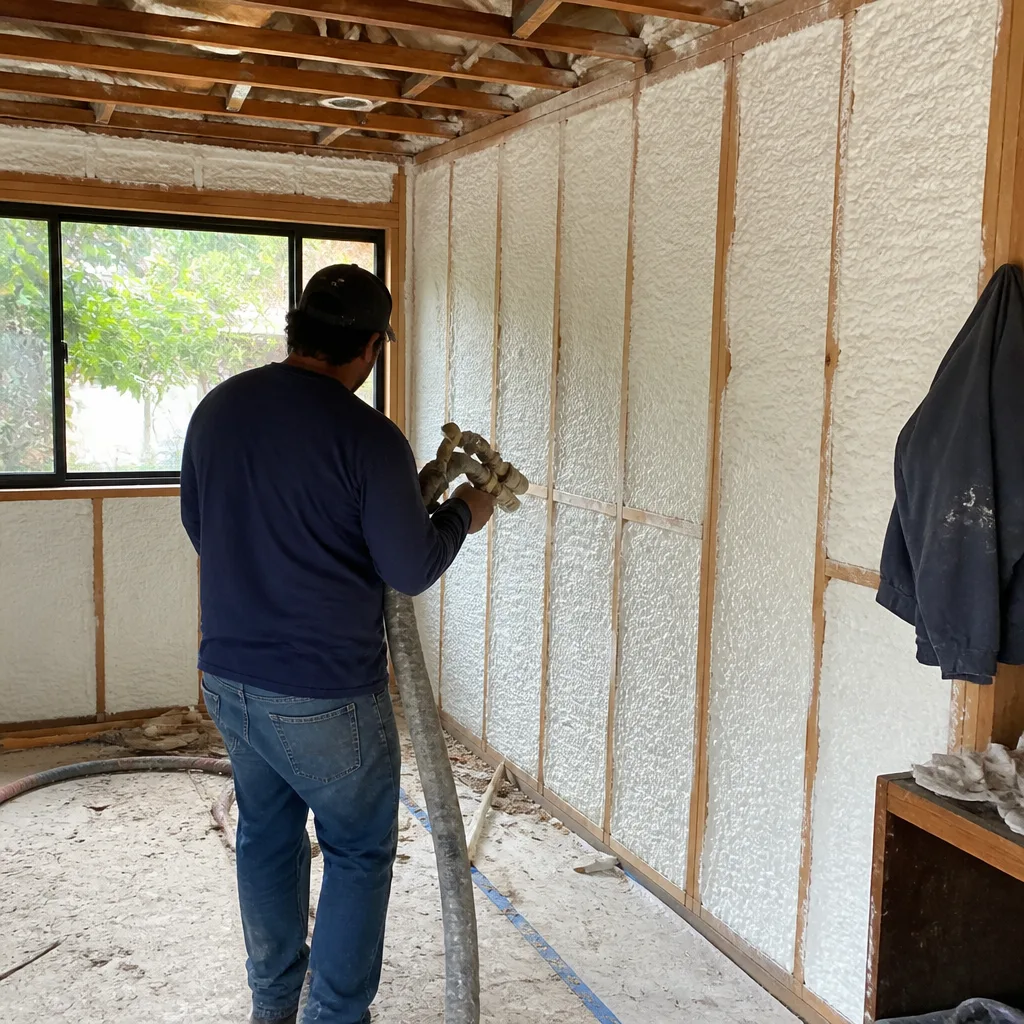 After
AfterReplacement Cost & What’s Included
In Glendale, a full Owens Corning radiant barrier replacement typically breaks down as follows:
- AtticCat foil material and fasteners: $680-$1,100
- Labor (rafter-line installation, 4-6 hours for 1,500 sq ft): $840-$1,400
- Air sealing of top plates and penetrations (performed first): $280-$520
- Vent chute correction if needed: $180-$340
Total installed range: $1,980-$3,360 for most Glendale homes. We don’t blow insulation over an unsealed attic floor, so every radiant barrier job includes top-plate sealing as a prerequisite, not an upsell. Under Haven Standard Clause 1, you get a written price before anyone lifts a tool, and the 365-Day Done Right Promise covers the installation. Before-and-after blower-door numbers are published on every job where air sealing is performed, so you can verify the envelope improvement in CFM50.
DIY or Call Us?
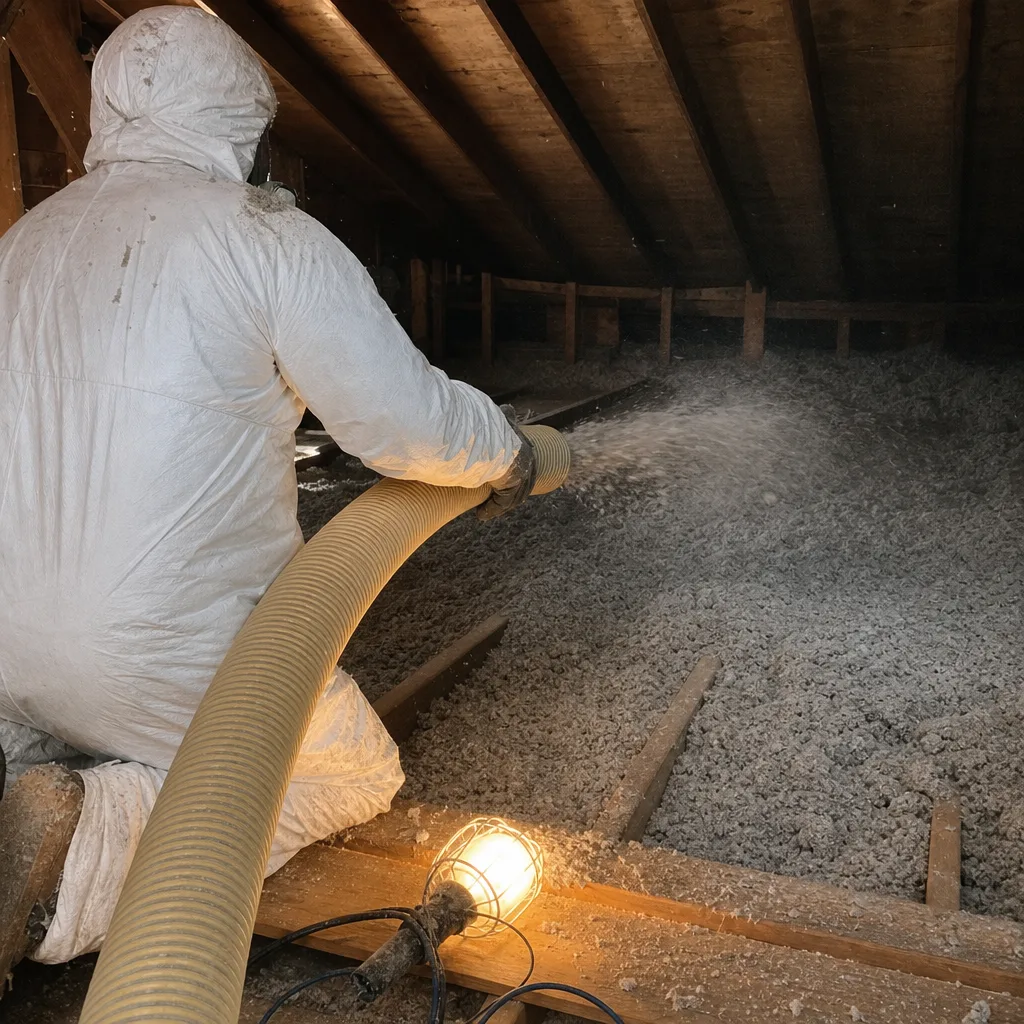
There’s nothing inherently dangerous about radiant barrier material itself, but the attic environment where it lives is. Glendale attics in August run 130-150°F, rafter bays are narrow, and the work happens overhead while you’re balanced on joists or walkboards. The bigger risk is what you disturb: old wiring, recessed can housings, and disturbed insulation that may contain rodent droppings. We’ve found live knob-and-tube splices hidden above foil in homes near Glenoaks Boulevard.
What you can safely check from the hatch: whether foil is still taut and stapled, whether you see obvious gaps at the ridge, and whether your soffit vents are blocked by insulation. What goes wrong with DIY: improper stapling pattern (OC calls for 6-inch centers, not 12), missing vent chutes that trap moisture, and foil installed upside down so the reflective face points at the insulation instead of the roof deck. Seal the bypasses first. Insulation over air leaks is just expensive noise reduction. If your attic needs more than a visual check, call (213) 474-3828 and we’ll measure, photograph, and price it in writing.
FAQs
In Glendale’s climate, properly installed AtticCat foil maintains effective reflectivity for 15-20 years, though dust accumulation and attic humidity can shorten that. We inspect the foil surface with a reflective meter during energy audits; below 0.05 emissivity, replacement is the right call. Call (213) 474-3828 for an exact assessment - estimates are free.
Spot repairs work if less than 20% of the surface has failed and the remaining foil tests near spec. We staple new sections with 6-inch overlap and seal the seams with aluminum tape. If more than 30% is sagging, dusty, or torn, full replacement is more cost-effective than patching. We stock both OC and Reflectix on the truck for either approach.
A typical Glendale attic takes one crew day, 6-8 hours including air sealing prep. We won’t start the foil until the blower-door test shows the top plates and penetrations are sealed. You get a Documented Photo Record and the before-and-after CFM50 reading before we leave.
We keep AtticCat rolls, fasteners, and vent chutes on our Glendale truck. If your attic is accessible and the job is priced, we can start same day or next day in most cases. Reflectix is available as a backup if Owens Corning supply runs thin.
Written by Wes Okafor, Owner, Topside Attic Insulation Glendale at Topside Attic Insulation Glendale, serving Glendale and nearby areas.