
Owens Corning Blown-In Insulation in Glendale: What to Know First
We provide independent Owens Corning blown-in insulation service in Glendale, typically completing attic jobs in one day and wall dense-pack work in two. Most homeowners receive a written price before we leave the estimate, and we do not start work without one. If you own an Owens Corning system and need blown-in cellulose, fiberglass, or dense-pack wall insulation, we treat air sealing as a prerequisite, not an upsell. Call (213) 474-3828 for a free estimate with upfront pricing.
How Owens Corning Products Fail - and How We Fix Them
- Owens Corning AttiCat PINK Fiberglass Blown-In settling below labeled R-value. The AttiCat system uses loose-fill fiberglass that can settle 2-3 inches in Glendale’s dry heat cycles, especially when blown over unsealed top plates. We measure settled depth with a yardstick at multiple attic points, then calculate the true R-value against the original bag count. If the attic floor was never sealed, we pull back existing material, seal penetrations with fire-rated caulk and rigid foam, then reblow to true depth.
- Owens Corning ProCat Loose Fill Cellulose bridging in vaulted ceilings. ProCat cellulose, while denser than fiberglass, can bridge across rafter bays in shallow-pitch Glendale ranch roofs, leaving voids near the eaves. We find these with thermal imaging during our pre-job walkthrough. Our fix: dense-pack the vaulted sections at 3.5 pounds per cubic foot using a sidewall nozzle, then verify fill with borescope inspection through a temporary plug.
- Owens Corning EcoTouch PINK Fiberglass degraded by prior rodent activity. In Glendale’s hillside neighborhoods near the Verdugo Mountains, roof rats tunnel through EcoTouch batts and blown-in alike, compressing fibers and leaving urine that corrodes the glass. We do not blow new insulation over contaminated substrate. We remove the damaged material, HEPA-vacuum the deck, install rodent-proofing at entry points, then blow fresh EcoTouch or switch to cellulose if the homeowner prefers.
- Owens Corning AttiCat machine-applied density inconsistent with manual application. The AttiCat blowing machine, when fed too fast by an inexperienced operator, produces fluffy, under-dense packs that read full depth but underperform on blower-door retest. We calibrate our machines to Owens Corning’s specified 0.5-0.6 pounds per cubic foot for attic applications, and we verify with a core sample before we leave. Our crews log machine settings on the job ticket.
- Owens Corning blown-in compromised by recessed can lights and chimney chases. Even quality blown-in fails when it covers non-IC-rated fixtures or fills a chase without a dam. In Glendale’s 1950s-1970s housing stock, we regularly find original Owens Corning installations blown directly over old recessed housings. We install ten-inch fire-rated dams around can lights, box out chimney chases with rigid foam and foil tape, then reblow. Seal the bypasses first. Insulation over air leaks is just expensive noise reduction.
Our Owens Corning Blown-In Insulation Process
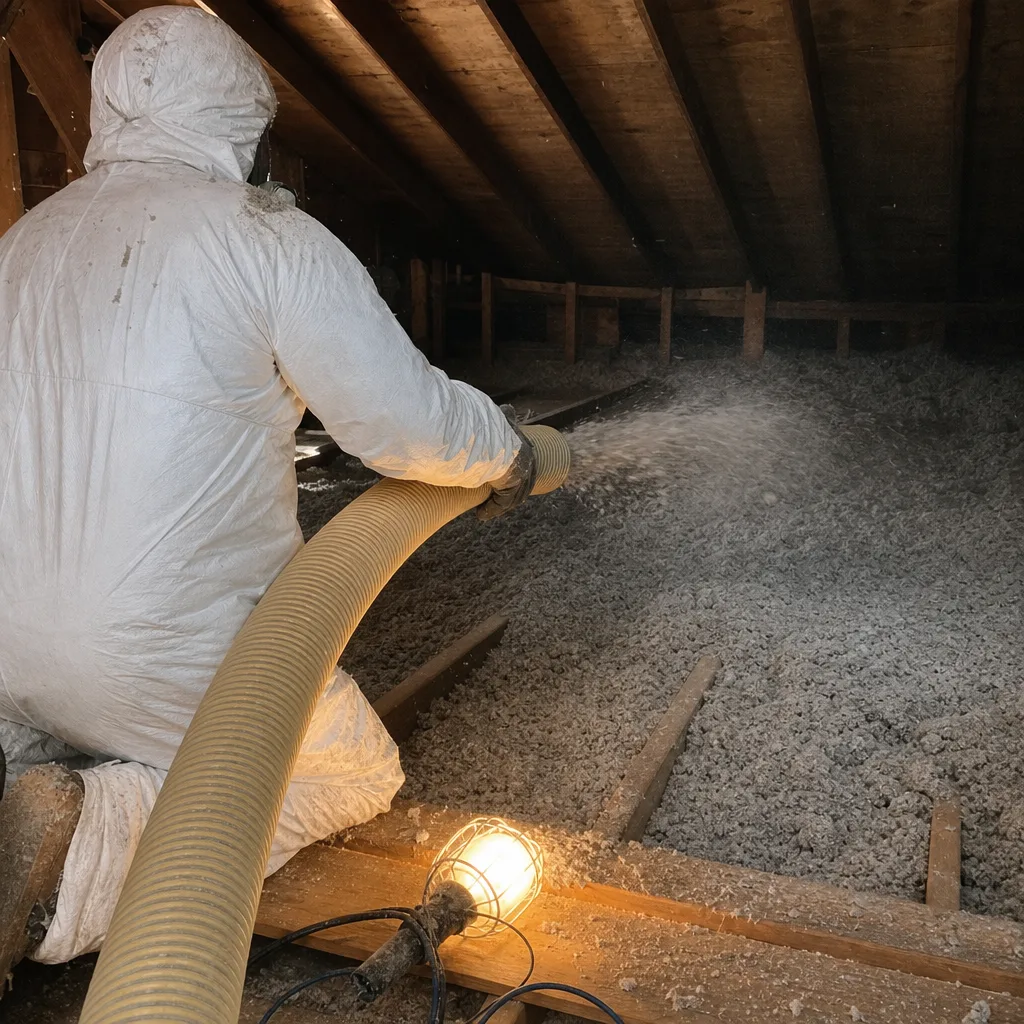
- 1
Call and schedule. A live person answers 24/7. We book a one-hour arrival window in Glendale, not a four-hour block.
- 2
Blower-door test and attic inspection. We pressurize the house to 50 Pascals and record the CFM50 reading. Then we photograph every penetration, top plate gap, and compromised duct boot.
- 3
Written price and scope. Under Haven Standard Clause 1, you get a flat price, written scope, and written warranty before anyone lifts a tool. No exceptions.
- 4
Air sealing first. We seal all accessible leaks with fire-rated caulk, rigid foam, and weatherstripping. Then we retest the blower door so you see the delta.
- 5
Blown-in installation. We blow Owens Corning material to true depth and density, or we switch to Johns Manville, Knauf, or GreenFiber if your project calls for different performance characteristics.
- 6
Documentation and cleanup. You receive a Documented Photo Record, final blower-door numbers, and a printed warranty. The crew vacuums the work path before they leave.
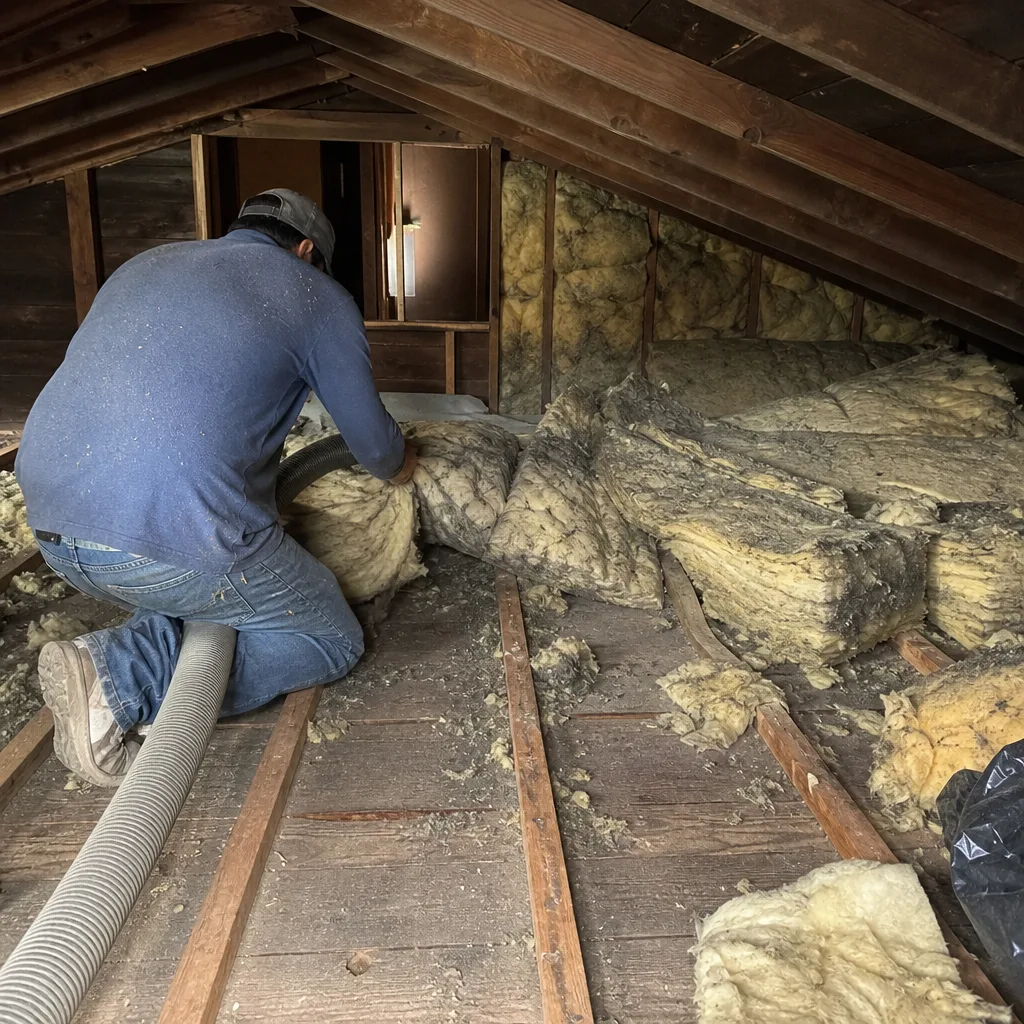 Before
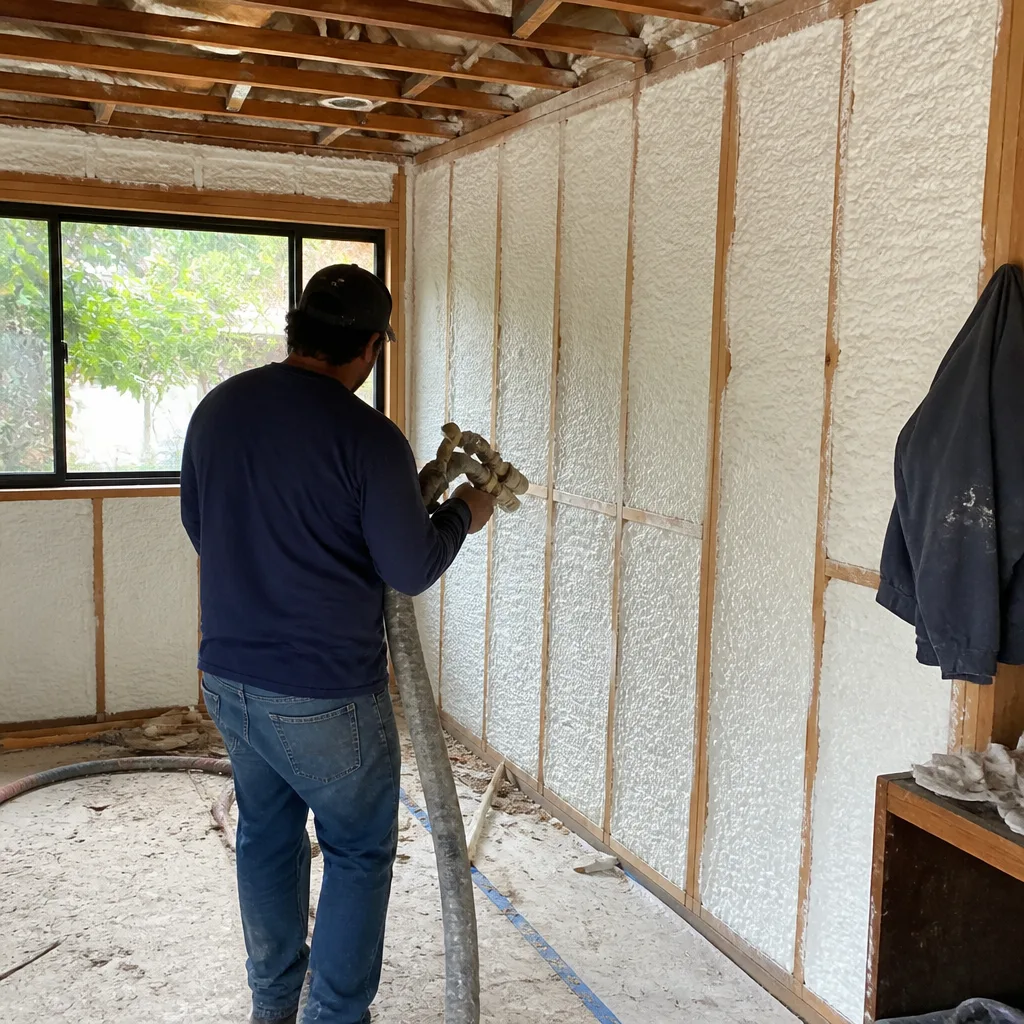 After
AfterWhat Owens Corning Blown-In Insulation Costs in Glendale
Most attic top-up jobs with Owens Corning blown-in fiberglass in a Glendale home run between $1,800 and $3,400. Full removal and replacement with air sealing typically falls between $4,200 and $6,800. Dense-pack wall insulation in a 1,200-square-foot Glendale ranch runs $3,500 to $5,500.
| Job Type | Typical Range |
|---|---|
| Attic top-up (R-30 to R-49) | $1,800 - $3,400 |
| Attic removal + replacement with air sealing | $4,200 - $6,800 |
| Dense-pack wall insulation (whole house) | $3,500 - $5,500 |
| Crawl space blown-in + vapor barrier | $2,800 - $4,600 |
What moves the price: square footage, existing material condition, accessibility (steep roof pitch adds time), and whether we find unsealed penetrations that must be addressed first. We also source Reflectix and other brands if your assembly calls for radiant barrier hybrid systems.
Call (213) 474-3828 for a free estimate. We will read any competing written quote with you, no charge.
Why Glendale Homeowners Call Topside Attic Insulation Glendale for Owens Corning Work
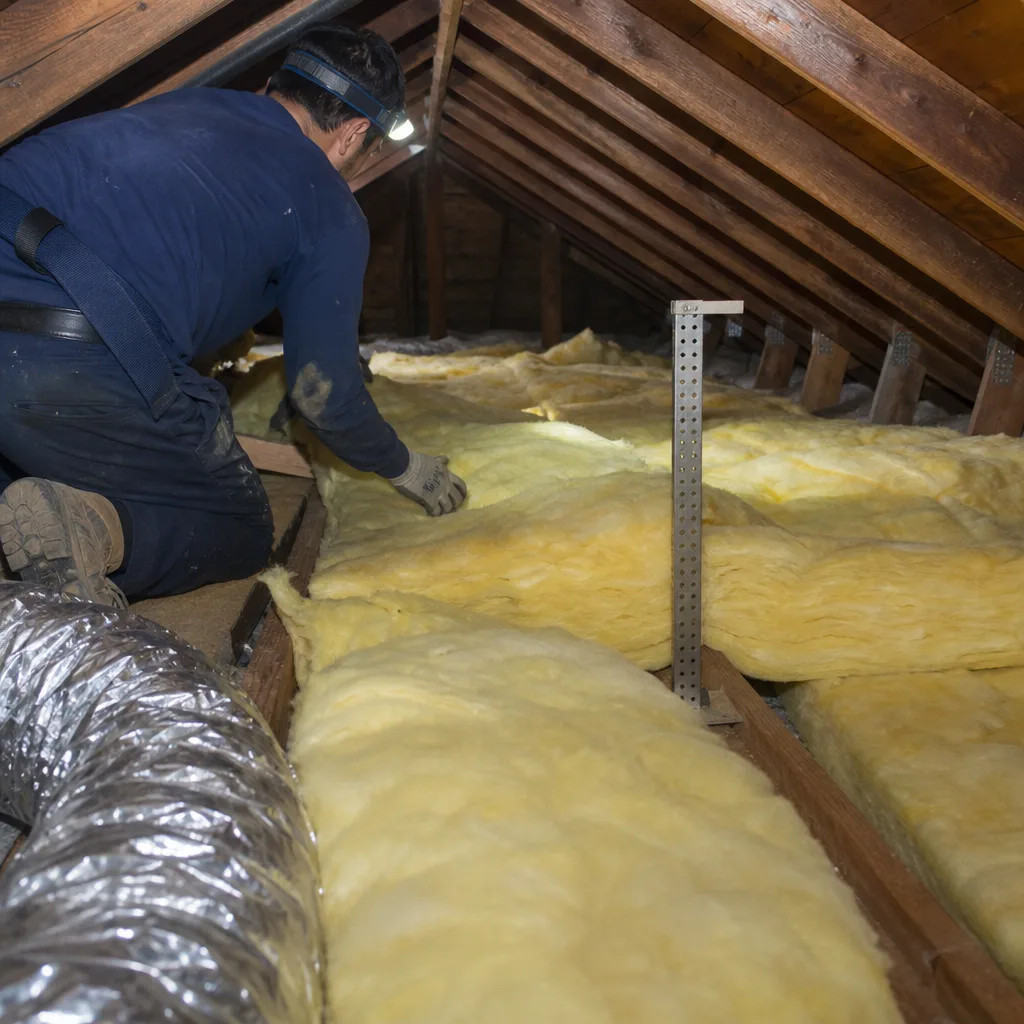
We are an independent Owens Corning service provider, not a factory-authorized program. That means we choose the right material for your assembly instead of pushing a single product line. Our crews have run jobs across Glendale, including older ranch-style homes near the Verdugo Woodlands where dense-pack cellulose in balloon-frame walls is still the right call. Every applicable job includes before-and-after blower-door numbers published on your documentation, so you verify the result yourself. The 365-Day Done Right Promise applies to all completed work, and our technicians are background-checked and uniformed. Wes Okafor reviews every blower-door report before it goes out.
FAQs
No. Owens Corning’s product warranty covers material defects regardless of who installs it, provided the product was stored and installed per manufacturer specifications. We document bag lot numbers and installation depth on every job ticket so you have a paper trail if a claim arises. Call (213) 474-3828 if you need help filing.
Repair makes sense if the material is less than ten years old, uncontaminated, and simply under-depth. We add material and air seal. Remove and replace is the right call when we find rodent contamination, water damage, or compressed fiberglass that has lost its loft. We show you photos during the estimate so you decide from evidence, not pressure.
Most attic jobs finish in one day. Dense-pack wall work or full removal and replacement typically takes two days. We do not book more than one major job per crew per day, so your project does not get squeezed. Call (213) 474-3828 for next available slots.
We use genuine Owens Corning bags for blown-in material, sourced through standard distribution channels. For air-sealing components, dams, and baffles, we use proven aftermarket products that meet or exceed the same fire and performance ratings, often at better value. We list every material on your written scope before work starts.
You get a Documented Photo Record of the work area, your before-and-after blower-door readings if applicable, a final invoice matching your written price, and a printed warranty card. Under Haven Standard, you know what leaving looks like before we arrive.
Written by Wes Okafor, Owner, Topside Attic Insulation Glendale at Topside Attic Insulation Glendale, serving Glendale and nearby areas.