
Owens Corning Attic Air Sealing: The Glendale Owner’s Guide
Most Owens Corning attic air sealing jobs we run in Glendale cost between $1,800 and $3,400 installed, depending on attic square footage and how many top plates, can lights, and duct chases need sealing. We stock Owens Corning FOAMULAR rigid foam board, ProPink sealants, and compatible acrylic caulks on every truck, and we can usually start the job same day you call. Homeowners typically figure out something’s wrong when their upstairs rooms won’t stay cool in August despite the AC running nonstop, or when they spot dirty fiberglass in the attic - a telltale sign that air is moving through the insulation like a filter.
Which Owens Corning Models This Applies To
Owens Corning doesn’t sell attic air sealing as a single branded “system” the way they sell shingles or insulation batts. What we’re talking about is the air-sealing layer that belongs beneath or alongside their ProPink L77 loose-fill, AttiCat blown-in, or FOAMULAR rigid foam installations. If your attic has pink Owens Corning insulation with a visible date stamp from 2010 onward, the air sealing was likely done with Owens Corning-compatible acrylic latex sealant, polyurethane foam in a can, or FOAMULAR board cut to fit around penetrations.
Here’s how to identify what you’ve got. Look for a white or pink foam board against the attic hatch or around chimney chases - that’s FOAMULAR 150 or 250, rated at R-5 per inch. Check can lights for a metal or foam box; Owens Corning jobs in Glendale often used generic ten-inch round covers sealed with ProPink sealant, not the branded covers. The label that matters is on the insulation itself: “L77,” “AttiCat,” or “R-38 ProPink” tells us what era of work we’re dealing with, and what sealing standard was current when it went in. We also stock Reflectix radiant barrier tape and foil for jobs where the original contractor layered barrier over unsealed leaks - a combination we see frequently in 1960s ranch homes near the Verdugo Woodlands.
Topside Attic Insulation Glendale is an independent service provider, not affiliated with Owens Corning. We source their materials through standard distribution, and we’ll tell you straight when an aftermarket equivalent - like a commercial-grade polyurethane foam with higher expansion rate than OC’s canned product - is the better fix for your specific leak pattern.
Signs Your Owens Corning Attic Air Sealing Is Failing
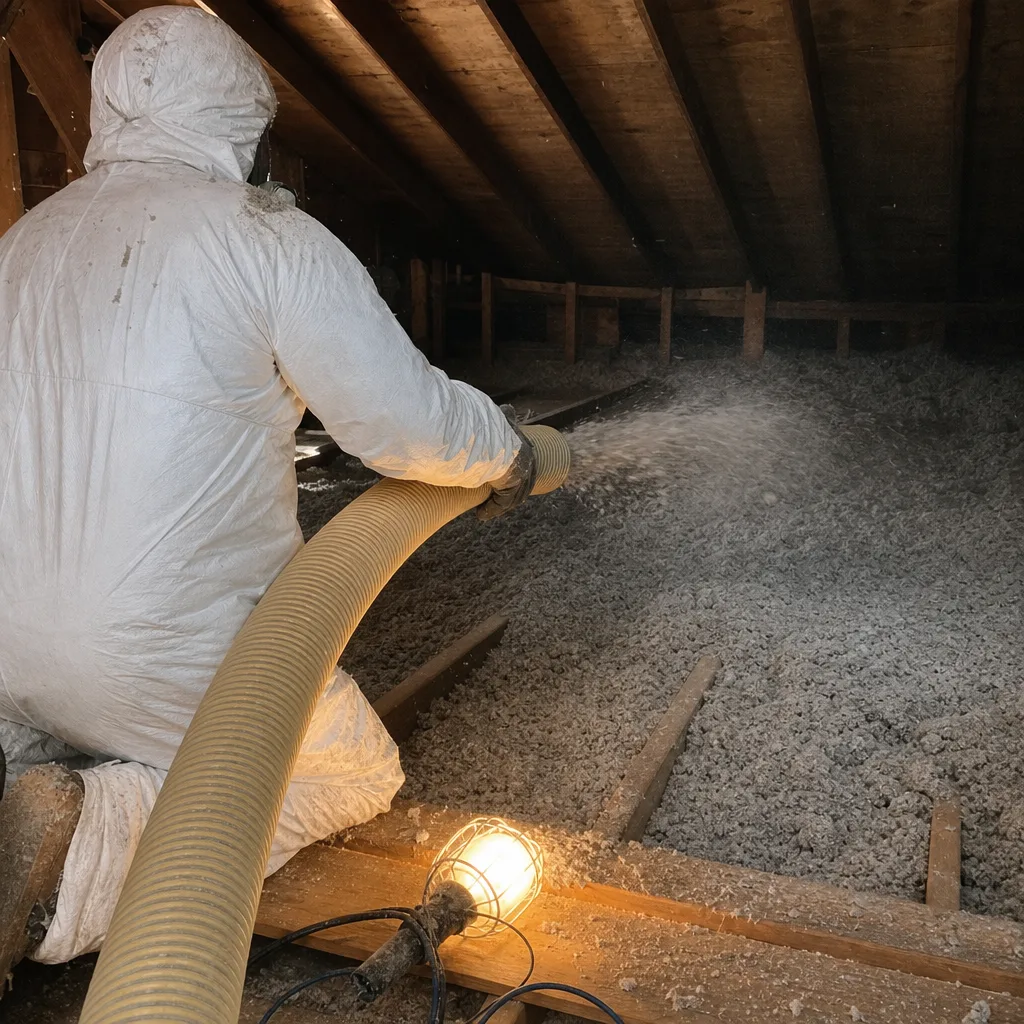
- Dusty or darkened insulation. Air moving through leaks carries dust from your living space into the attic, where it deposits on the fiberglass. If your pink insulation looks gray or streaked near the eaves or around can lights, you’ve got bypass air. The sealant has cracked or the foam board has pulled away from the framing.
- Hot second floor, cool first floor in summer. In Glendale’s July and August heat, unsealed attic bypasses let 140-degree air drop into wall cavities through open top plates. Your thermostat reads 72 downstairs and 82 upstairs, and the AC runs until midnight. This is the signature failure mode we see in homes between the 210 and 134 freeways.
- Ice damming or moisture stains after rare cold snaps. When warm, humid interior air hits the cold roof deck through a gap, it condenses. In Glendale’s occasional 35-degree January nights, that moisture freezes at the eaves. The stain on your ceiling drywall is the last symptom, not the first.
- Can lights that flicker or feel drafty. Recessed lights cut a hole straight through your thermal boundary. If the original installer used a thin foam cover that’s now brittle, or skipped the cover entirely and just caulked around the trim, you’re losing conditioned air directly into the attic. The flicker is thermal expansion of the wiring; the draft is your money leaving.
- Rodent activity in the attic. Mice follow air currents. A bypass that’s big enough to move measurable CFM50 on a blower-door test is big enough for a mouse. If your pest guy keeps finding new entry points, the real problem is pressure - air pushing out, pulling rodents in.
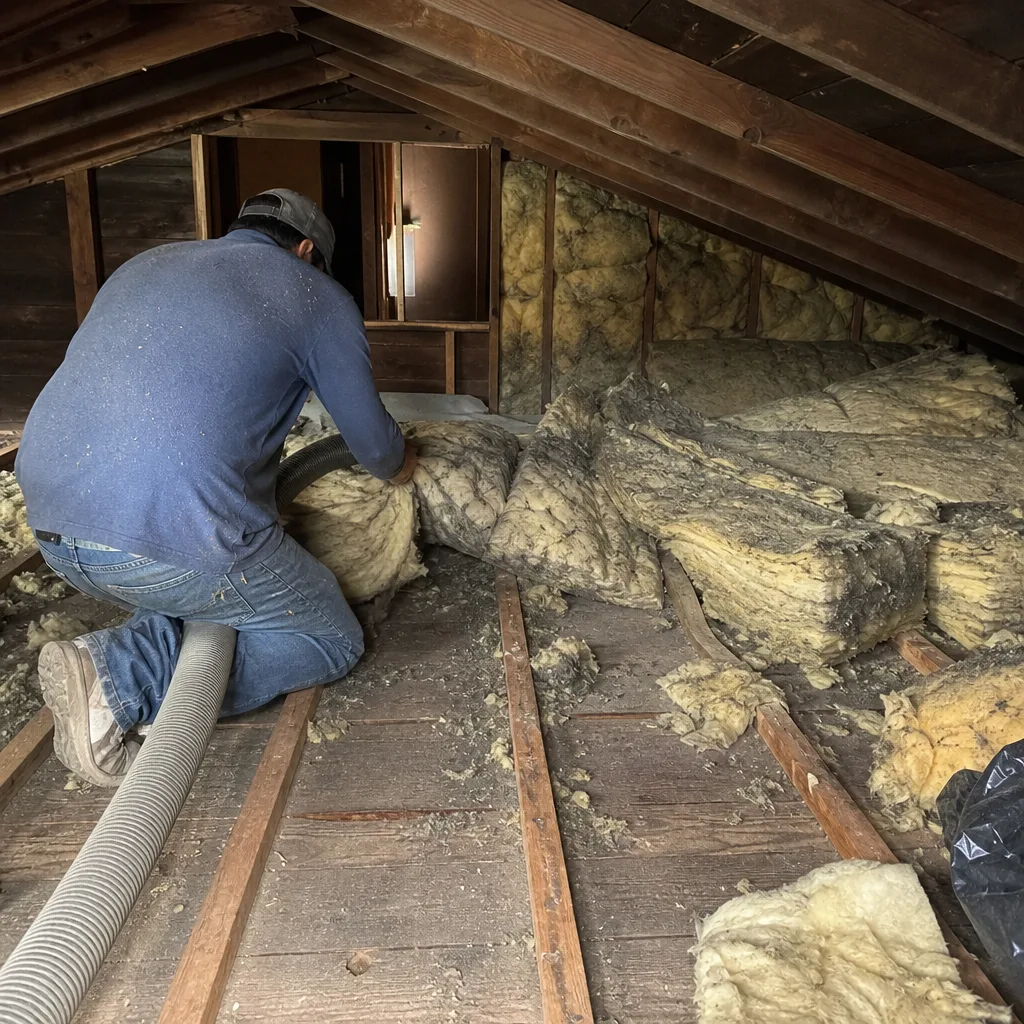 Before
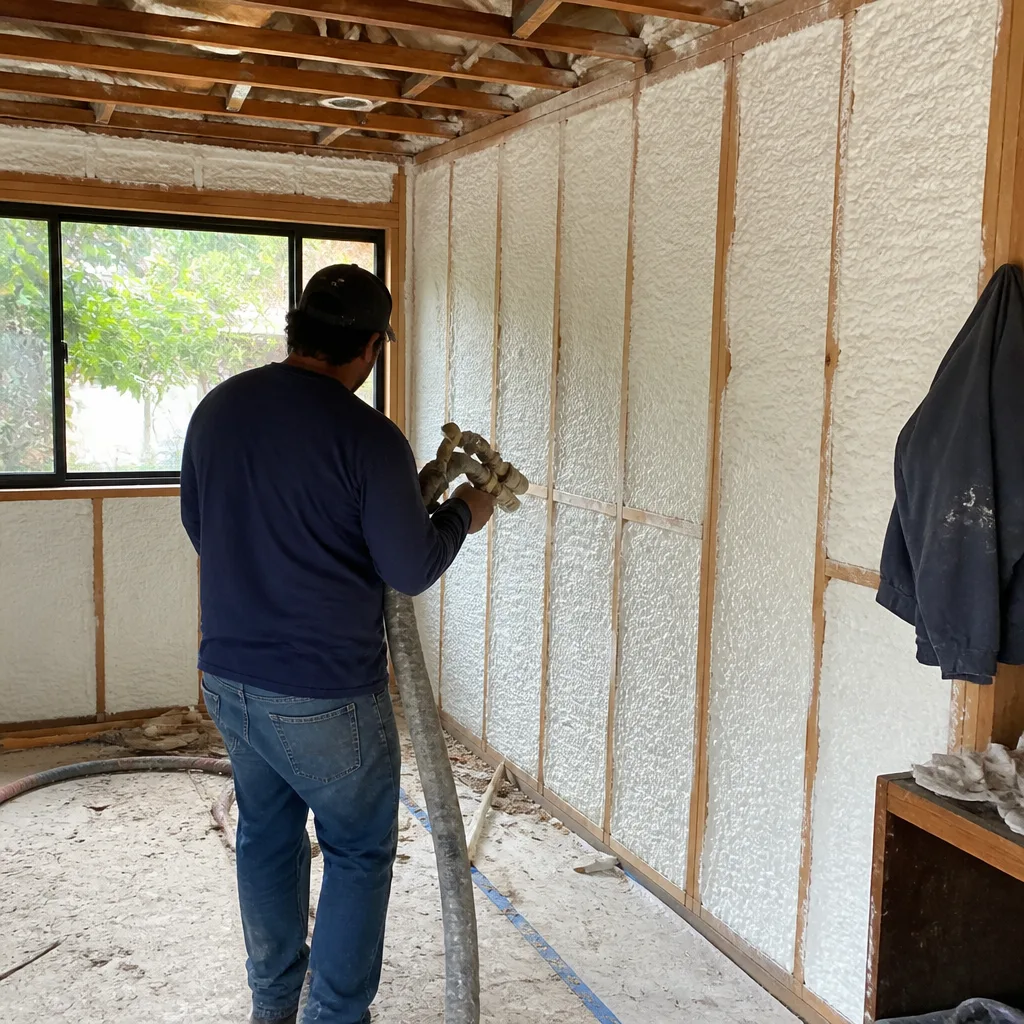 After
AfterReplacement Cost & What’s Included
In Glendale, most Owens Corning attic air sealing retrofits run $1,800 to $3,400. The low end covers a 1,200-square-foot attic with straightforward top-plate sealing, maybe six can lights, and standard plumbing and electrical penetrations. The high end hits homes with complex duct chases, multiple bath fan terminations, or balloon-frame construction where we need to seal the stud bays from attic to basement - common in the older neighborhoods east of Brand Boulevard.
That price includes the blower-door test before and after, all sealant and foam board, labor, cleanup, and the Documented Photo Record we deliver before we leave. We don’t charge separately for the diagnostic. Under Haven Standard Clause 1, you get the written price before anyone lifts a tool, and the 365-Day Done Right Promise covers the workmanship. We also publish your before-and-after blower-door numbers - typically a 30 to 50 percent reduction in CFM50 on a successful attic seal - so you can verify the result in one figure.
DIY or Call Us?
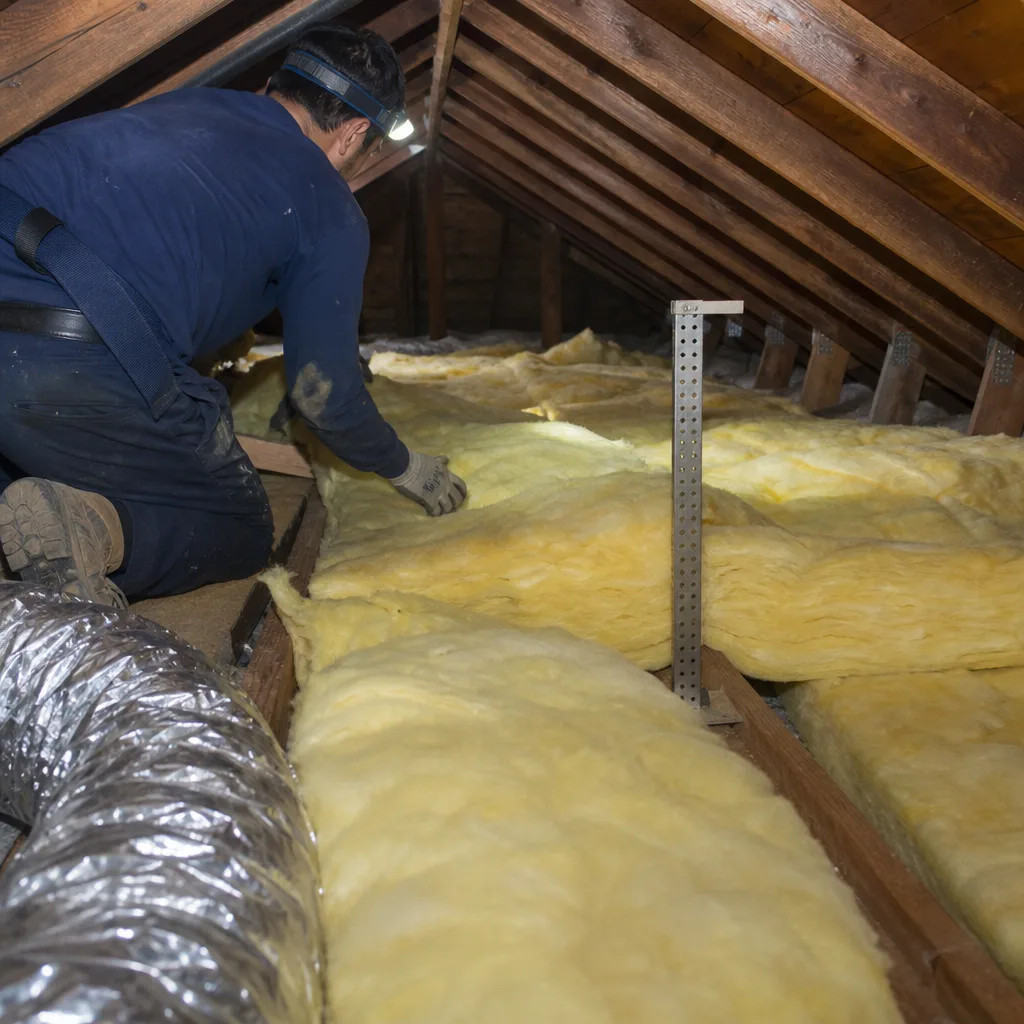
Here’s what you can safely check yourself. Turn off your AC, close all windows, and run the central fan. Hold a stick of incense near can lights, outlet covers on exterior walls, and the attic hatch. If the smoke pulls horizontally or upward, you’ve got pressure-driven leaks. Mark them with tape. That’s the end of the safe DIY.
What goes wrong after that: homeowners buy a case of canned foam and fill gaps that are supposed to stay open for fire blocking, or they compress fiberglass into gaps where it acts as an air filter, not an air barrier. The real risk is missing the leaks you can’t see - the ones inside wall cavities, or the top plates hidden under existing insulation. We pull the insulation back, seal what’s actually leaking, and put it back. Seal the bypasses first. Insulation over air leaks is just expensive noise reduction. For the diagnostic and the fix, call us at (213) 474-3828.
FAQs
Properly installed acrylic sealant and polyurethane foam last 15 to 25 years in Glendale’s dry climate, though the extreme attic heat - 150 degrees plus in August - can degrade lower-grade foam in 8 to 10. We use commercial-grade products rated for 180-degree continuous exposure. If your home was sealed before 2010, it’s worth a blower-door test to check current performance. Call (213) 474-3828 and we’ll run the numbers.
Partial repair is common. We often find 80 percent of the original sealant still intact, with failure concentrated at can lights and around recently modified plumbing or electrical. We repair what’s sound and replace what’s failed, then retest. You’ll see exactly what we found in the photo record. Call (213) 474-3828 for a free second opinion on any written estimate.
Most residential attic air sealing jobs in Glendale take one long day or two standard days. Day one is the blower-door test, insulation pull-back, sealing, and initial retest. Day two, if needed, is for complex chases or balloon-frame walls. You’re not paying for rush; you’re paying for the test-verified result. Call (213) 474-3828 to schedule.
We stock Owens Corning FOAMULAR board, ProPink-compatible sealants, and polyurethane foam on every truck. For specialty sizes or older installations requiring matched materials, we pull from distribution in Burbank, usually same day. We don’t start jobs with a materials chase. Call (213) 474-3828 - a live person answers 24/7.
Written by Wes Okafor, Owner, Topside Attic Insulation Glendale at Topside Attic Insulation Glendale, serving Glendale and nearby areas.