
Knauf Radiant Barrier Installation: The Glendale Owner’s Guide
Knauf radiant barrier installation in Glendale typically runs $1,800-$3,400 for an average attic, depending on square footage and whether your top plates and can-light penetrations need sealing first. We stock Knauf EcoSeal-compatible radiant barrier and can usually schedule within 48 hours, with same-day service available for homes in the Glendale, La Crescenta, and Verdugo Woodlands areas. Most homeowners realize something’s wrong when their second-story bedrooms stay hot past 10 p.m. even though the AC never shuts off, or when they find stapled foil sheets dangling from rafters after a Santa Ana wind event.
Which Knauf Models This Applies To
Knauf doesn’t sell a standalone “radiant barrier system” under one model name. Instead, you’ll encounter their products in three configurations: EcoSeal Flex, a water-based elastomeric sealant applied before radiant barrier goes in; Knauf Insulation’s perforated radiant barrier foil, sold in 4-foot by 250-foot rolls with an emissivity rating of 0.03; and assemblies where Knauf blow-in fiberglass (typically Jet Stream or Atticat) is installed after the barrier. The critical compatibility gotcha in Glendale’s 1940s-1970s housing stock: Knauf perforated foil must be installed with the perforations facing down toward the attic floor, not up toward the roof deck. Install it backward and you trap moisture against the sheathing, which we’ve seen rot out 5/8-inch plywood in as little as three years in the humid pockets near the Verdugo Mountains.
Check your existing material for the Knauf logo and roll date stamp, usually printed within the first 24 inches of the roll edge. If you’re matching to existing foil, the perforation pattern matters: Knauf uses a 1/16-inch staggered hole pattern, while Reflectix and some aftermarket brands use a linear 1/8-inch pattern. The wrong match creates visible seams that defeat the barrier. We carry both Knauf OEM and a California-approved aftermarket equivalent with identical emissivity specs, and we’ll show you both on the truck so you can see the difference before we price either one.
Signs Your Knauf Radiant Barrier Installation Is Failing
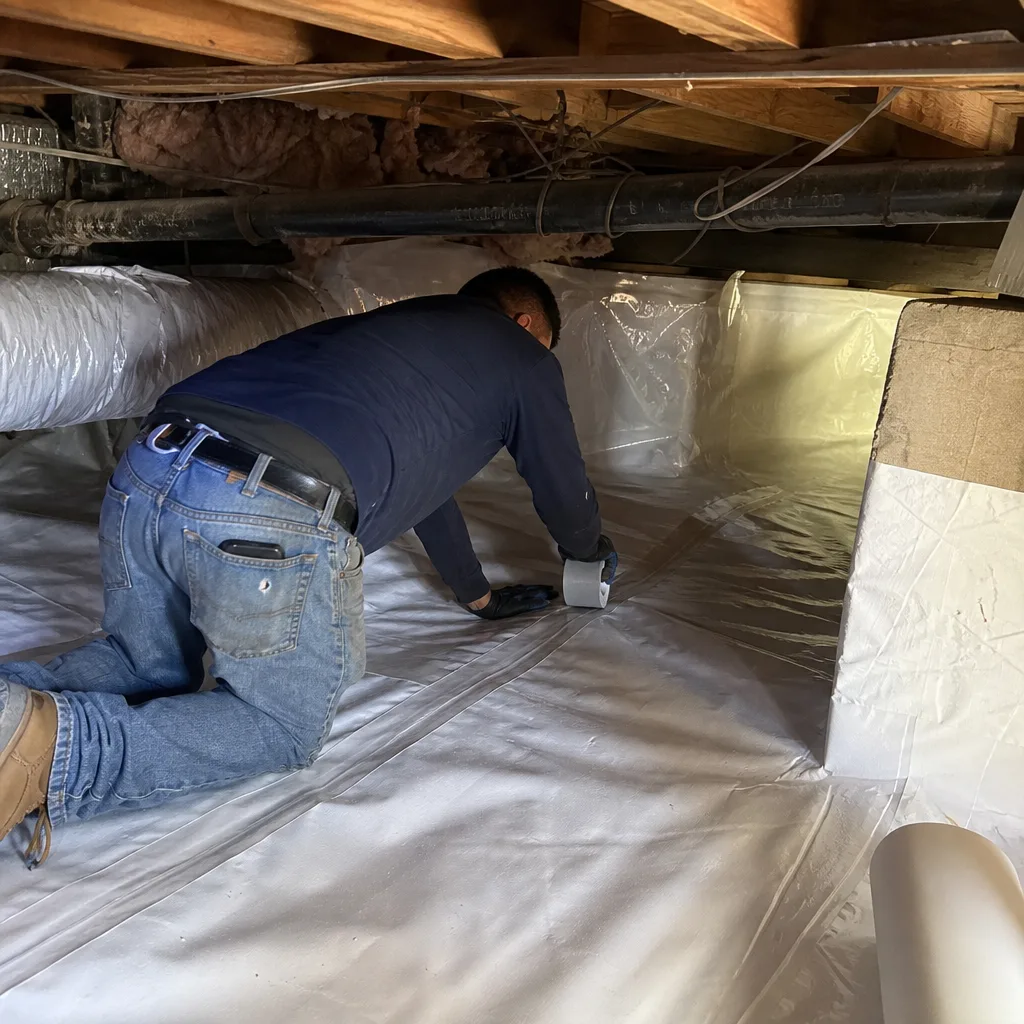
- Hot ceiling patches in late afternoon. The radiant barrier’s emissivity has degraded, or sections have pulled loose from rafters. In Glendale, where roof surface temperatures hit 170°F in August, a single 4-foot gap in the barrier can raise ceiling temps by 8-12 degrees directly below it.
- Foil sheets hanging or bunched in corners. Staple failure is the usual cause. The previous installer likely used standard T50 staples instead of Knauf-specified insulated staples with a longer crown. Santa Ana winds in January and February finish the job.
- Discolored or brittle foil with a chalky residue. This is oxidation from attic humidity cycling, common in Glendale homes without adequate soffit ventilation. Knauf perforated foil is rated for 25 years, but we’ve pulled degraded sheets after 7 years in attics where bathroom vents dump moist air into the envelope.
- AC runs continuously between 4 p.m. and 8 p.m. The barrier isn’t reflecting radiant heat back toward the roof deck. Your thermal envelope is working overtime, and your kilowatt hours show it. We see this complaint most from two-story homes south of Colorado Boulevard.
- Water stains on rafters or sheathing. The barrier was installed upside-down, or non-perforated foil was used where perforated was required. Moisture condenses on the cool side, drips, and creates the exact problem the barrier was supposed to prevent.
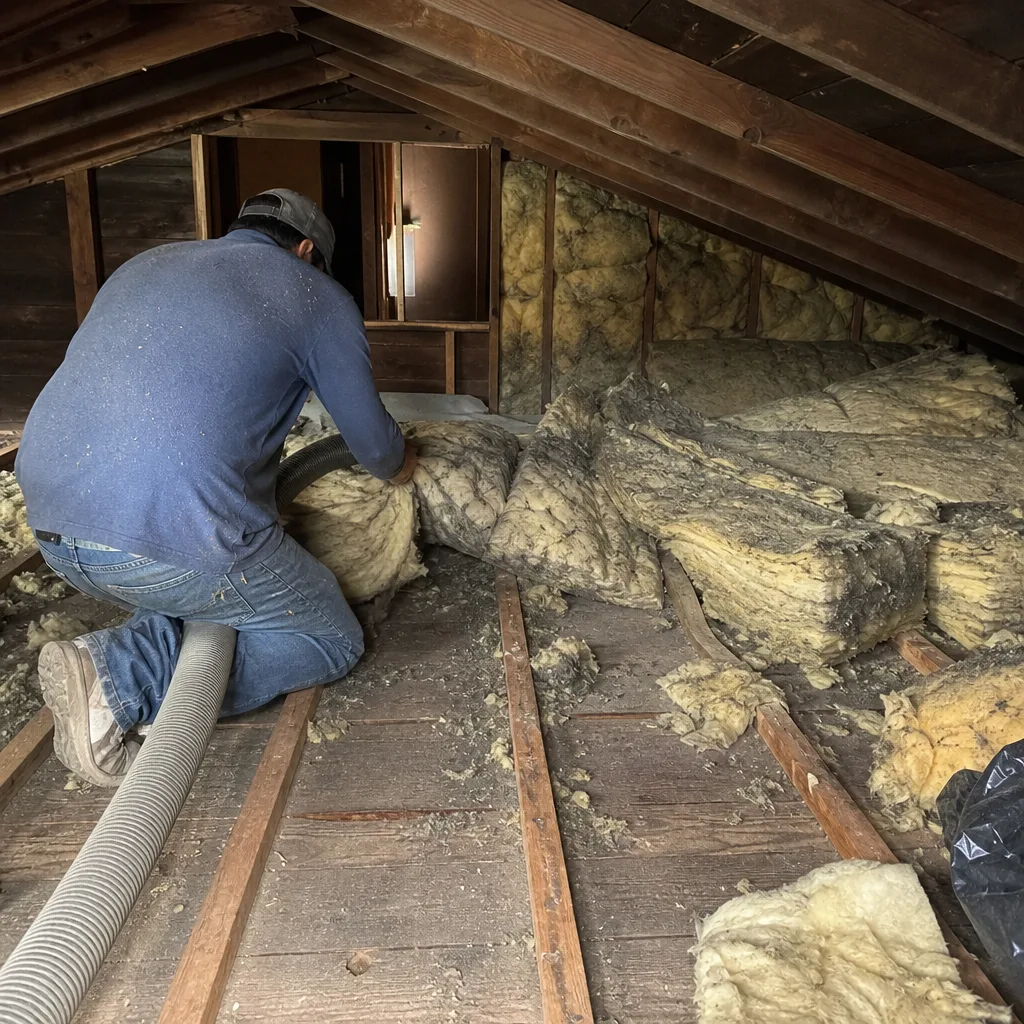 Before
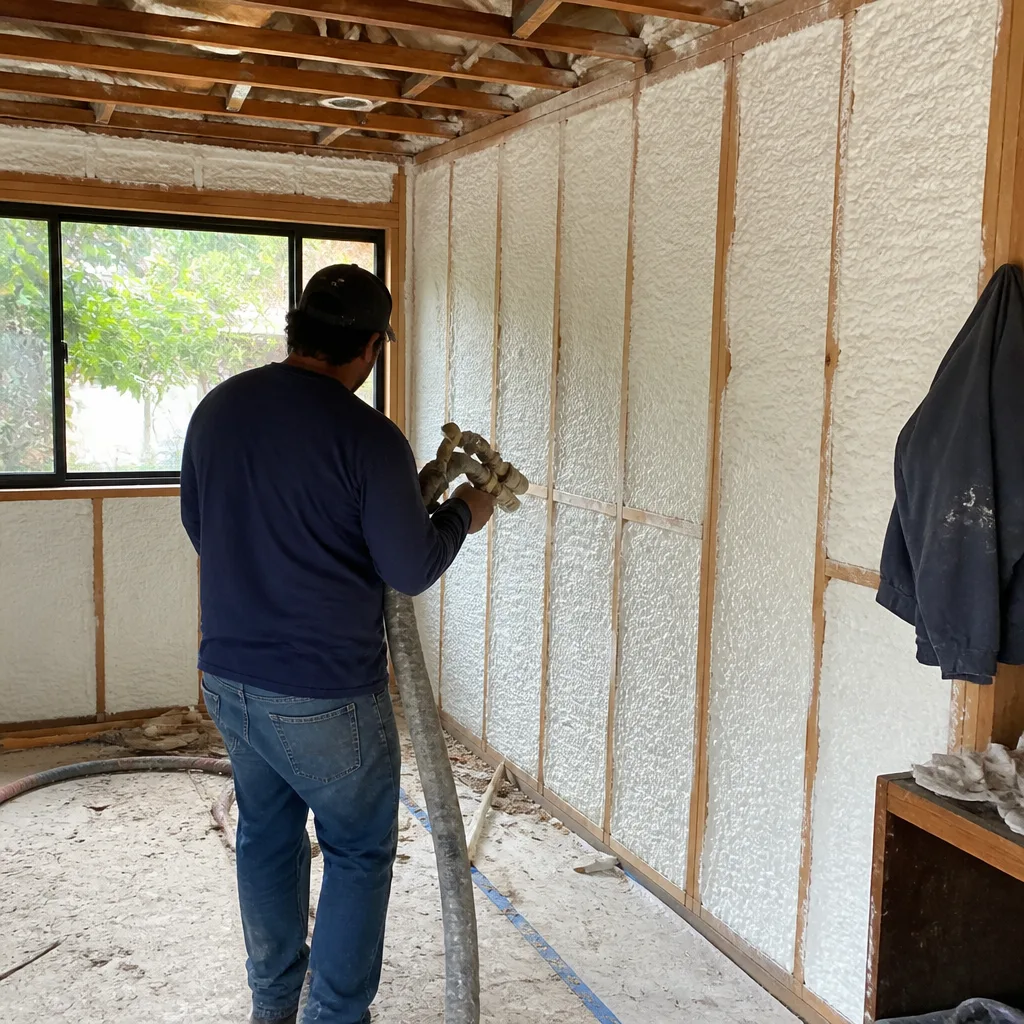 After
AfterReplacement Cost & What’s Included
Most Knauf radiant barrier installations in Glendale fall between $1,800 and $3,400. The low end covers a 1,200-square-foot attic with straightforward rafter access, existing foil removal, and new perforated barrier stapled to the underside of the rafters. The high end includes homes with complex rooflines, cathedral ceilings, or the need for top-plate air sealing and can-light enclosure before the barrier goes in.
Our price is parts plus labor, flat. The Knauf foil or equivalent, fasteners, and any necessary baffles for soffit ventilation are itemized on your written scope before we start. We do not price by the square foot over the phone; we measure on site, photograph what we find, and deliver a written price you can compare. The 365-Day Done Right Promise covers the installation, and the Knauf material carries its own 25-year limited warranty against degradation. You’ll receive a Documented Photo Record of the completed work and, if we performed air sealing, your before-and-after blower-door numbers in a printed report.
DIY or Call Us?
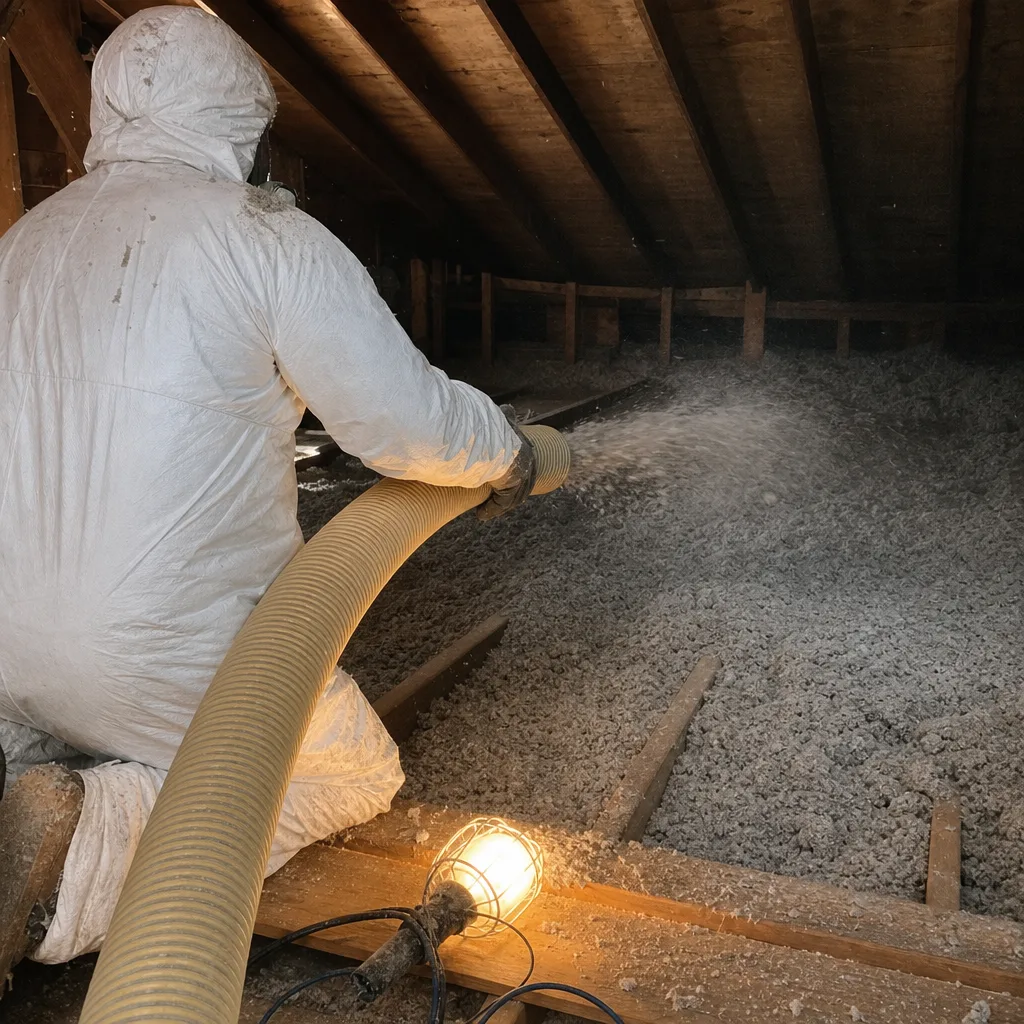
There’s no high-tension danger with radiant barrier, but there are ways to waste money and create problems. A homeowner can safely verify what’s up there: photograph any labels, check for loose sections, and confirm whether bathroom vents terminate inside the attic (they shouldn’t). What goes wrong with DIY: walking on ceiling joists and punching through drywall, installing non-perforated foil where perforated is required by California Title 24, and blowing insulation over the barrier before sealing air leaks. Seal the bypasses first. Insulation over air leaks is just expensive noise reduction. If your attic has active knob-and-tube wiring, recessed can lights without IC-rated housings, or rodent damage to the existing foil, call us. We carry the right staples, the right foil, and the blower door to prove the result. Reach us at (213) 474-3828 for a free estimate and a written price before any work starts.
FAQs
Knauf perforated radiant barrier is rated for 25 years, but actual lifespan in Glendale attics ranges from 8 to 20 years depending on attic humidity and installation quality. Homes with properly vented soffits and sealed top plates see the full span; homes with vented bathrooms dumping into the attic see premature oxidation. Call (213) 474-3828 and we’ll inspect what you have - estimates are free.
Small sections can be patched if the existing foil is still supple and the staple pattern matches, but partial repairs usually look like partial repairs - visible seams that become thermal weak points. Full replacement is the better value if more than 20% of the surface is compromised. We stock both repair kits and full rolls on the truck; we’ll show you what makes sense for your attic.
A typical Glendale attic takes one day for a two-person crew: morning for removal of old material and air sealing, afternoon for new barrier installation and cleanup. Complex rooflines or homes requiring extensive top-plate sealing may run into a second day. We give you a written schedule with your written price, and we don’t start until both are signed.
Yes. We carry Knauf perforated radiant barrier in 4-foot by 250-foot rolls, plus the compatible aftermarket equivalent with matching 0.03 emissivity. We also stock insulated staples, baffles for soffit ventilation, and Knauf EcoSeal for attics that need air sealing before the barrier goes in. No ordering delays, no “we’ll be back next week.” Topside Attic Insulation Glendale is an independent service provider and is not affiliated with Knauf.
Written by Wes Okafor, Owner, Topside Attic Insulation Glendale at Topside Attic Insulation Glendale, serving Glendale and nearby areas.