
Icynene Crawl Space Encapsulation & Vapor Barrier in Glendale: What to Know First
We provide independent Icynene crawl space encapsulation and vapor barrier service in Glendale, typically completing jobs in one to two days with a written price delivered before any work starts. Most crawl space encapsulation jobs in Glendale homes run between $3,200 and $7,800 depending on square footage, existing moisture damage, and whether the Icynene foam needs partial removal first. This page is for homeowners who already have Icynene spray foam in their crawl space and are dealing with moisture intrusion, odor issues, or failed vapor barrier adhesion. Call (213) 474-3828 for a free estimate with a written scope, or bring us a competing quote for our Free Second Opinion.
How Icynene Products Fail - and How We Fix Them
- Icynene Classic Max (open-cell) overspray onto rim joists blocks proper vapor barrier sealing. In Glendale’s clay-heavy soils, especially near the Chevy Chase Canyon area, seasonal expansion pushes moisture against these foam-coated joists. We cut back the overspray with a hot knife, seal the wood with closed-cell flash, then install the barrier membrane to manufacturer spec.
- Icynene MD-R-200 (medium-density closed-cell) delamination from subfloor sheathing happens when the substrate wasn’t properly dried during original install. The foam pulls away in sheets, trapping condensation. We remove the failed sections, HEPA-vacuum the cavity, and reapply only after moisture readings drop below 19%.
- Icynene LD-C-50 (low-density) in vented crawl spaces soaks up airborne moisture like a sponge during Glendale’s winter marine layer events. This isn’t a product defect; it’s a climate mismatch. We either convert the crawl to conditioned space with full encapsulation, or remove the open-cell and switch to a vapor-closed assembly.
- Icynene water-blown formulations from 2015-2018 batches off-gas amines when exposed to chronic dampness, producing that “cat urine” odor homeowners report in Verdugo Woodlands ranch homes. The fix isn’t masking; it’s removal of affected foam, dehumidification to 50% RH, and reinstallation with current-generation resin.
- Icynene spray foam bridging at sill plates creates hard spots where the polyethylene vapor barrier can’t conform, leaving channels for soil gas and moisture. We router out the bridge, backfill with compatible sealant, and detail the barrier with butyl tape at every penetration.
Our Icynene Crawl Space Encapsulation & Vapor Barrier Process
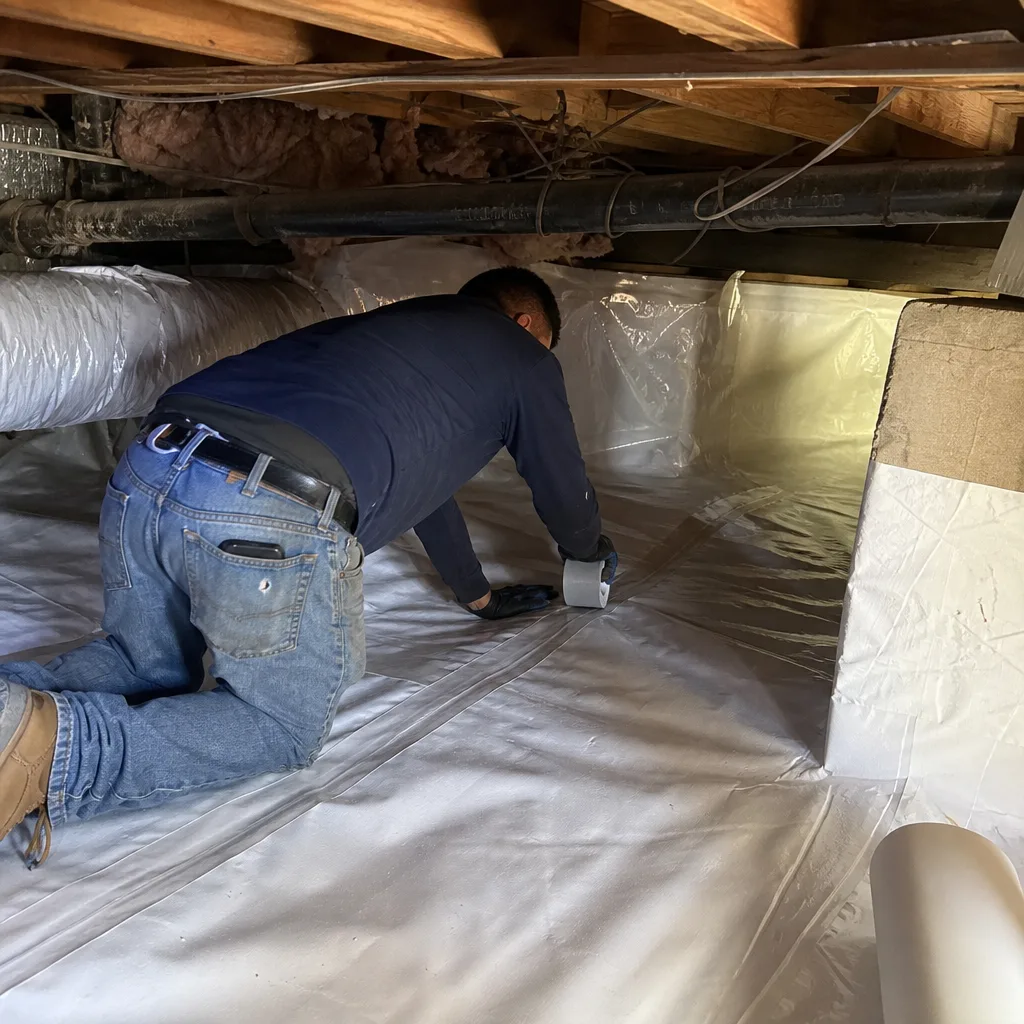
- 1
Moisture mapping and blower-door baseline. We run a blower-door test - a pressurization reading that shows, in one number, how much conditioned air your building envelope is losing - and record crawl space RH, wood moisture content, and slab vapor emission rate before touching anything.
- 2
Written scope and price. Under Haven Standard Clause 1, you get a flat price, written scope, and written warranty before anyone lifts a tool. No exceptions. We note which Icynene series is present and whether OEM-compatible removal solvents are required.
- 3
Icynene-specific prep. We protect intact foam with breathable masking, remove failed sections with hot-knife or mechanical methods appropriate to the density class, and HEPA-vacuum all debris. Photos at every stage go into your Documented Photo Record.
- 4
Air sealing and vapor barrier installation. Seal the bypasses first. Insulation over air leaks is just expensive noise reduction. We detail sill plates, penetrations, and rim joists with compatible sealants, then install 12-20 mil reinforced polyethylene with sealed seams and mechanical fastening at walls.
- 5
Dehumidification and final test. We size and install a dedicated crawl space dehumidifier, run a post-encapsulation blower-door test, and deliver your printed pre- and post-installation report with ACH50 numbers side by side.
- 6
365-Day Done Right Promise activation. Your written warranty and photo documentation are delivered before we leave. If it’s not done right, we make it right.
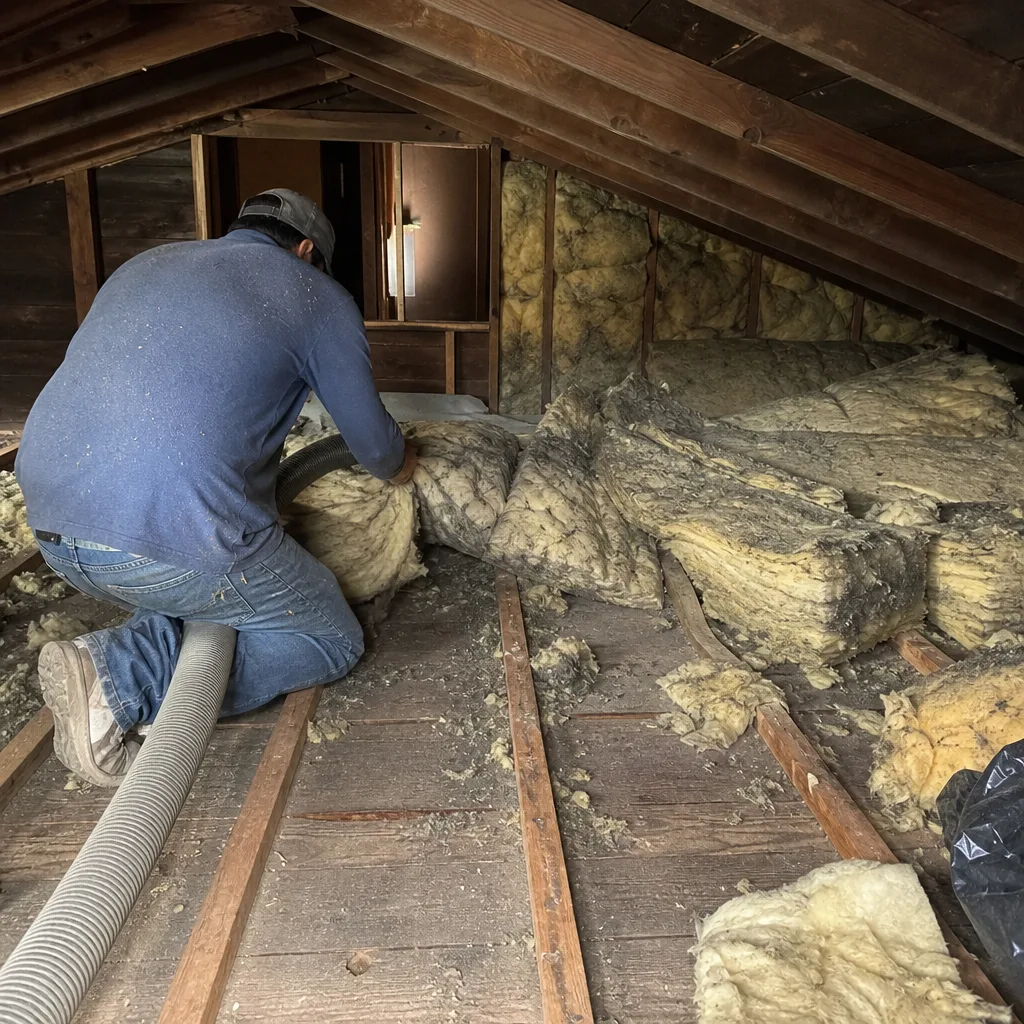 Before
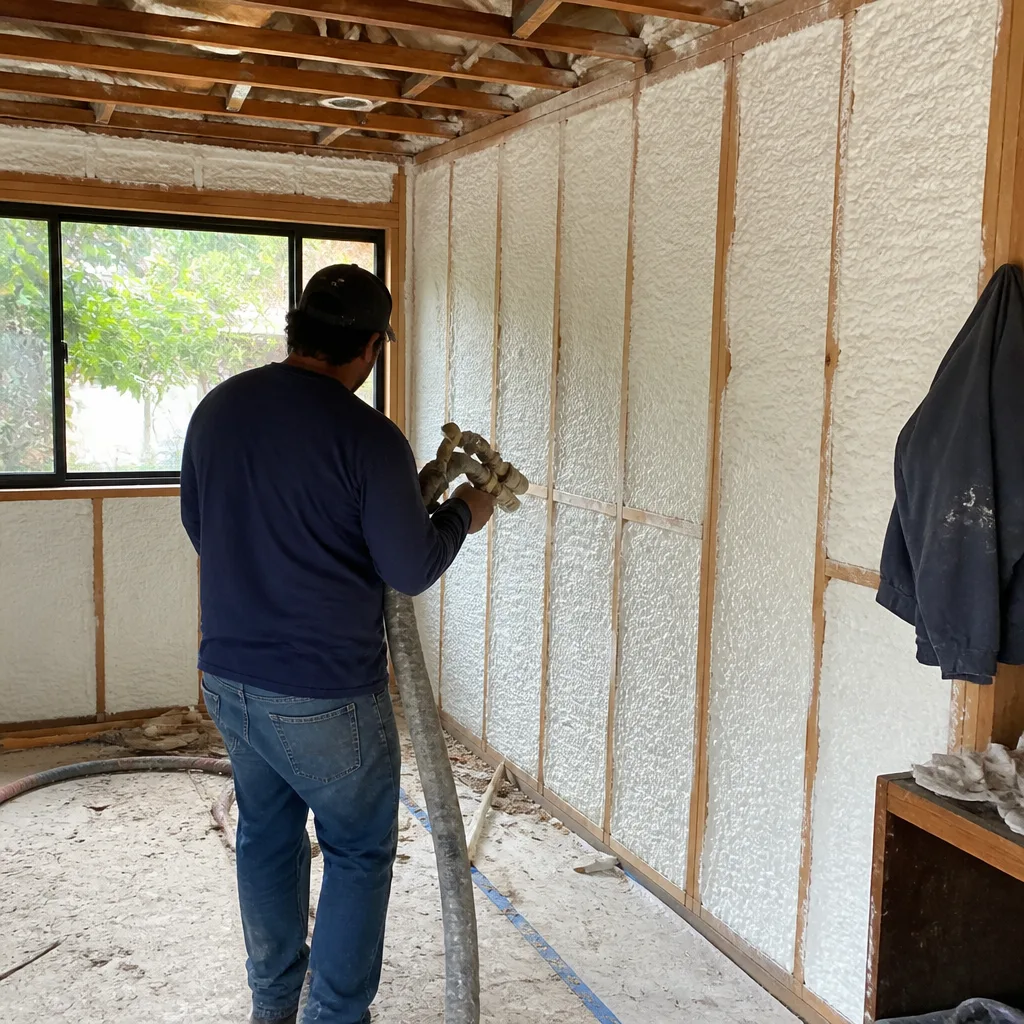 After
AfterWhat Icynene Crawl Space Encapsulation & Vapor Barrier Costs in Glendale
| Scenario | Typical Range |
|---|---|
| Vapor barrier only (no foam issues), 800-1,200 sq ft crawl | $3,200-$4,800 |
| Encapsulation with partial Icynene removal, 1,000 sq ft | $5,500-$7,800 |
| Full Icynene removal + reinstallation with closed-cell flash + encapsulation | $8,500-$12,000 |
| Dehumidifier installation (70-90 pint, dedicated circuit) | $1,800-$2,600 |
| Glendale permit and inspection (when required) | $250-$450 |
What moves the price: accessibility (crawl height under 18 inches adds labor), existing mold remediation needs, and whether the Icynene is water-blown formulation requiring specialized solvent removal. We also service Reflectix radiant barrier systems when they’re part of the same assembly. Call (213) 474-3828 for an exact quote - estimates are free, and we publish the blower-door numbers so you can verify what you paid for.
Why Glendale Homeowners Call Topside Attic Insulation Glendale for Icynene Work
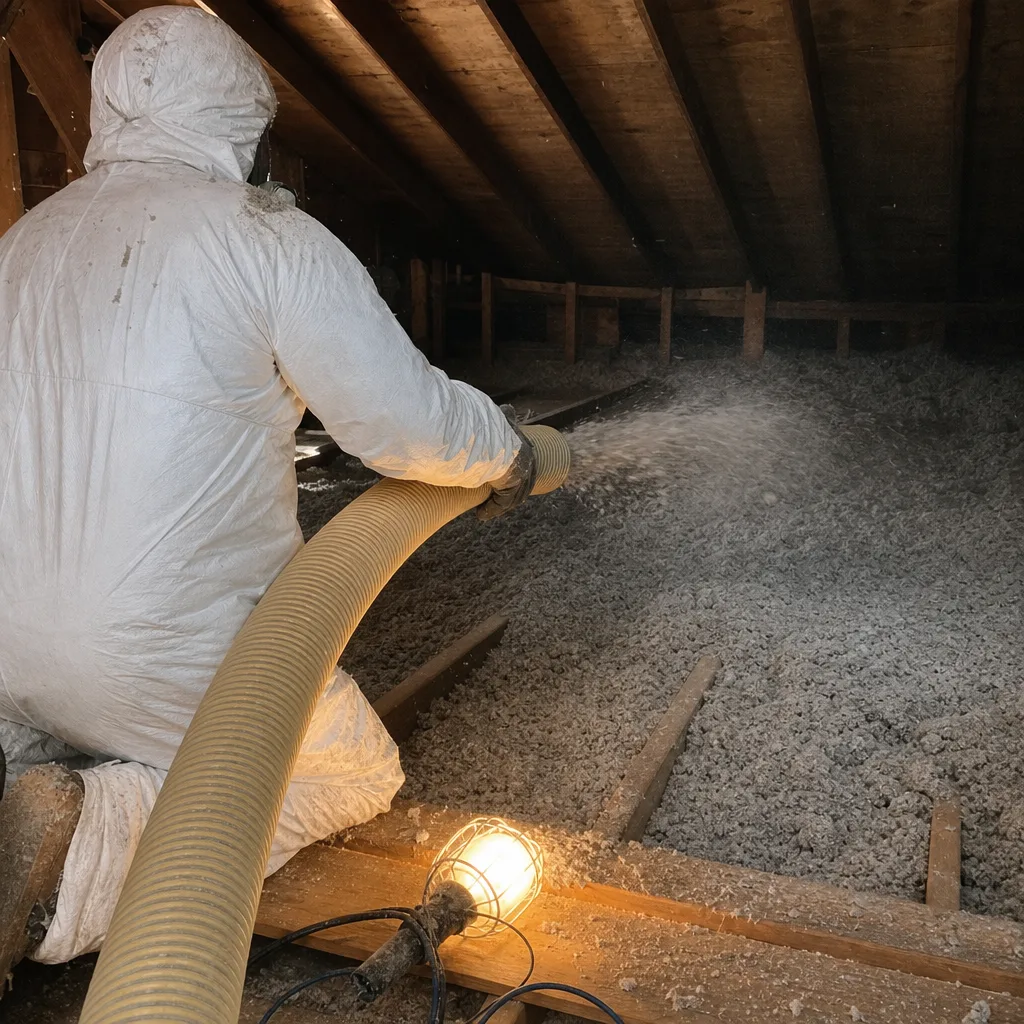
We’ve been running jobs across Glendale since 2016, including older ranch-style homes near the Verdugo Woodlands where the original Icynene install predated proper substrate drying protocols. Wes Okafor does a blower-door test before a single bag is opened, and customers leave with a printed pre- and post-installation report. Our materials come from Owens Corning, Johns Manville, Knauf, Rockwool, CertainTeed, Icynene, Demilec, and GreenFiber - no proprietary lock-in, so we specify what’s appropriate for your assembly, not what moves inventory. The 365-Day Done Right Promise applies to all completed work, and a live person answers calls 24/7. As an independent Icynene service provider, we have no manufacturer obligation to push replacement over repair when the fix is straightforward.
FAQs
No. Icynene’s limited warranty covers product defect, not installation conditions. Adding a vapor barrier or dehumidifier doesn’t void it, though improper removal by an unqualified contractor can create coverage disputes we document against. We photograph pre-existing foam condition before starting so there’s a clear record. Call (213) 474-3828 if you’ve received a conflicting claim - we’ll review it with you.
We source current-generation Icynene resin through standard distribution channels. For small repairs, OEM-compatible two-component kits perform identically when applied to spec. For large removals, we match density class and vapor permeance rather than chasing SKU numbers - the building science matters more than the label. We document what goes in and why.
Repair is cheaper when less than 30% of the foam is compromised and the substrate is dry. Removal and replacement makes sense when water-blown formulations are off-gassing, delamination exceeds 50% of surface area, or the original install used open-cell in a vented crawl space that we’re converting to conditioned. We give you both numbers in writing and let the math decide.
We typically schedule crawl space inspections within 48 hours, with encapsulation work starting 3-5 business days after written approval. Emergency moisture intrusion - standing water, active leaks - gets same-day response. A live person answers calls 24/7, and you’ll get a text when your technician is en route.
We deliver before-and-after blower-door readings on every applicable job, plus crawl space RH and wood moisture readings taken at identical locations. Your Documented Photo Record shows membrane seams, sealant application, and dehumidifier placement. If the numbers don’t improve, we don’t call it done. Call (213) 474-3828 to schedule - estimates are free, and the documentation is included on every visit.
Written by Wes Okafor, Owner, Topside Attic Insulation Glendale at Topside Attic Insulation Glendale, serving Glendale and nearby areas.