
Demilec Blown-In Insulation in Glendale: What to Know First
We provide independent Demilec blown-in insulation service in Glendale, typically completing attic and wall jobs in one day with a written price delivered before any work starts. Most Demilec systems we encounter are the Heatlok HFO Pro series or the closed-cell spray foam lines that preceded it; when these degrade or when owners need blown-in cellulose or fiberglass added to complement existing Demilec foam, we test the envelope first, seal what leaks, then insulate. A typical attic top-up with air sealing in a 1,400-2,200 square foot Glendale home runs $2,800-$4,600, and we bring the blower-door rig to every job. Call (213) 474-3828 for a written estimate.
This page is for Glendale homeowners who have Demilec insulation in their attic, walls, or crawl space and need to add blown-in material, replace degraded sections, or correct a job that didn’t include proper air sealing the first time.
How Demilec Products Fail - and How We Fix Them
- Heatlok HFO Pro shrinkage in unvented attics. The HFO blowing agent in newer Heatlok formulations can contract 3-5% in Glendale’s summer attic temperatures, pulling away from rafter bays and leaving gaps where blown-in cellulose or fiberglass is supposed to meet the foam. We map the voids with thermal imaging, then dense-pack the gaps with GreenFiber cellulose - not loose-fill - so the new material stays put and maintains contact.
- Demilec open-cell (LD-C-50) moisture absorption in wall cavities. The LD-C-50 series is vapor-permeable by design, which works until interior humidity spikes or the exterior drainage plane fails. In Glendale’s occasional heavy winter rains, we’ve found saturated open-cell against stucco that was never back-primed. We remove the degraded foam, allow the cavity to dry verified with moisture meters, then install dense-pack cellulose with a smart vapor retarder - a membrane that opens to drying in summer and closes to moisture in winter.
- Demilec SEALECTION 500 delamination from OSB roof sheathing. SEALECTION, Demilec’s older medium-density open-cell line, can release from manufactured wood products when installed over dusty sheathing or in cold-weather applications that didn’t cure properly. The gap creates a convection loop that negates any blown-in insulation layered above it. We scrape to sound substrate, prime with Demilec-approved contact adhesive where the warranty still matters, or transition to a mechanically fastened system if the warranty period has expired.
- Incompatible retrofit: blown-in over Demilec without addressing top plates. This isn’t a product failure; it’s an installation failure we see weekly. A previous contractor sprayed Demilec on the roof deck, then blew loose fiberglass over the attic floor without sealing the top plates - the horizontal framing members where walls meet ceiling. Conditioned air pumps into the attic through those gaps all winter. We pull back the loose fill, seal every top plate and penetration with acoustical sealant and rigid blocking, then reinstall the blown-in material properly. Seal the bypasses first. Insulation over air leaks is just expensive noise reduction.
- Demilec Heatlok XT settling in floor joist cavities above crawl spaces. Heatlok XT, the higher-density closed-cell product, is rigid when cured but can sag if the substrate was damp during application or if the pass thickness exceeded manufacturer limits. In crawl spaces beneath Glendale’s hillside homes near Chevy Chase Canyon, we’ve found XT drooping from subfloors, creating cold spots on tile floors above. We support the remaining foam with mesh and strapping where sound, remove what’s compromised, and fill with blown-in fiberglass - Knauf Jet Stream Ultra - which won’t absorb the ground moisture that caused the original problem.
Our Demilec Blown-In Insulation Process
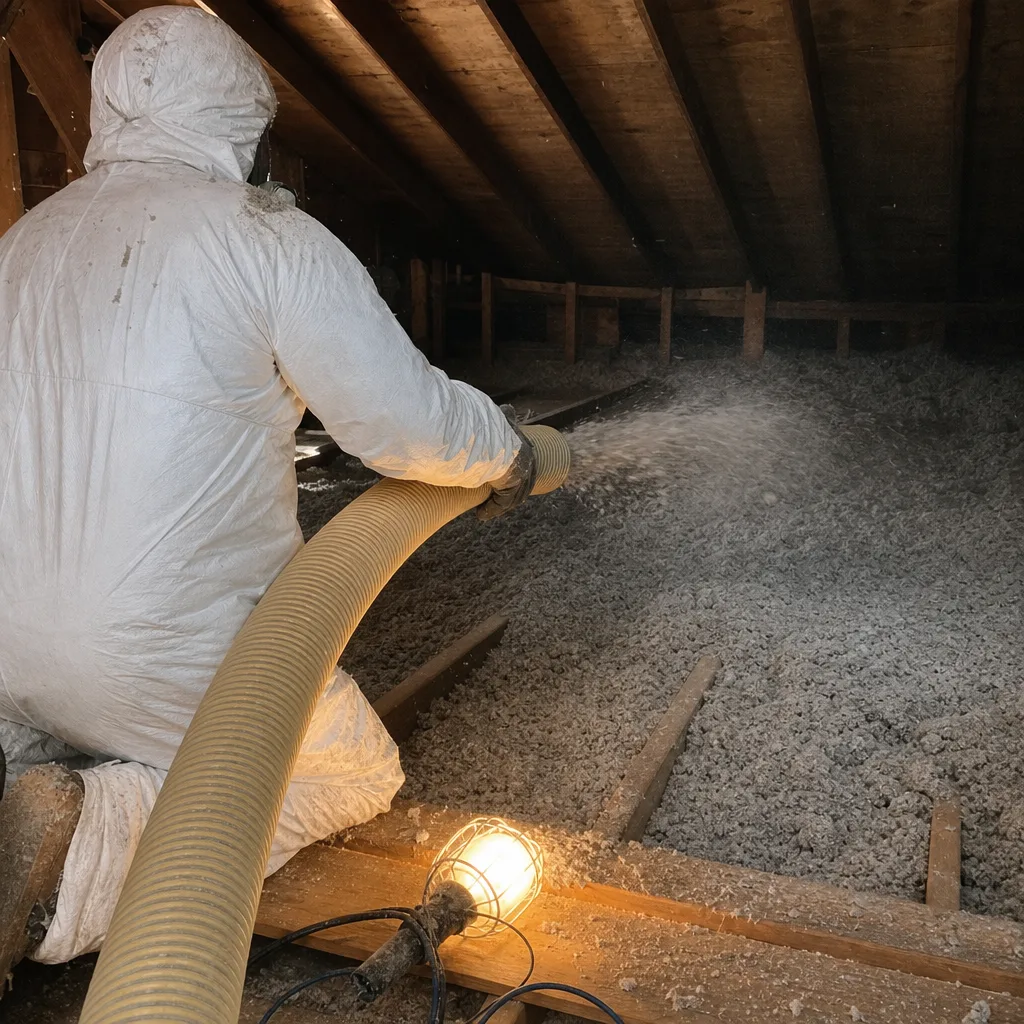
- 1
Call intake with Demilec series identification. We ask for the product name on your invoice or the spray date and installer. This tells us whether we’re working with HFO, SEALECTION, LD-C-50, or Heatlok XT - each demands different compatibility checks with blown-in materials.
- 2
Blower-door test and thermal imaging. We pressurize the house to 50 Pascals - the standard test pressure - and record CFM50, then walk the attic and walls with a FLIR camera to find where conditioned air is escaping. You get these numbers in writing before we open a bag.
- 3
Air sealing of all bypasses. Top plates, can lights, plumbing and electrical penetrations, chimney chases, and dropped soffits get sealed with fire-rated foam, acoustical sealant, or metal flashing as code requires. No insulation goes in until this is complete and verified with a mid-process blower-door test.
- 4
Blown-in material selection and installation. We match the blown-in product to your existing Demilec: GreenFiber cellulose for dense-pack wall work, Owens Corning AttiCat fiberglass for attic top-ups, or Johns Manville Climate Pro in fire-rated assemblies. We document bag count, installed depth, and coverage area.
- 5
Final blower-door test and photo record. We test again, compare pre- and post- numbers, and deliver a printed report with timestamped photos of every critical detail. The 365-Day Done Right Promise attaches to this document.
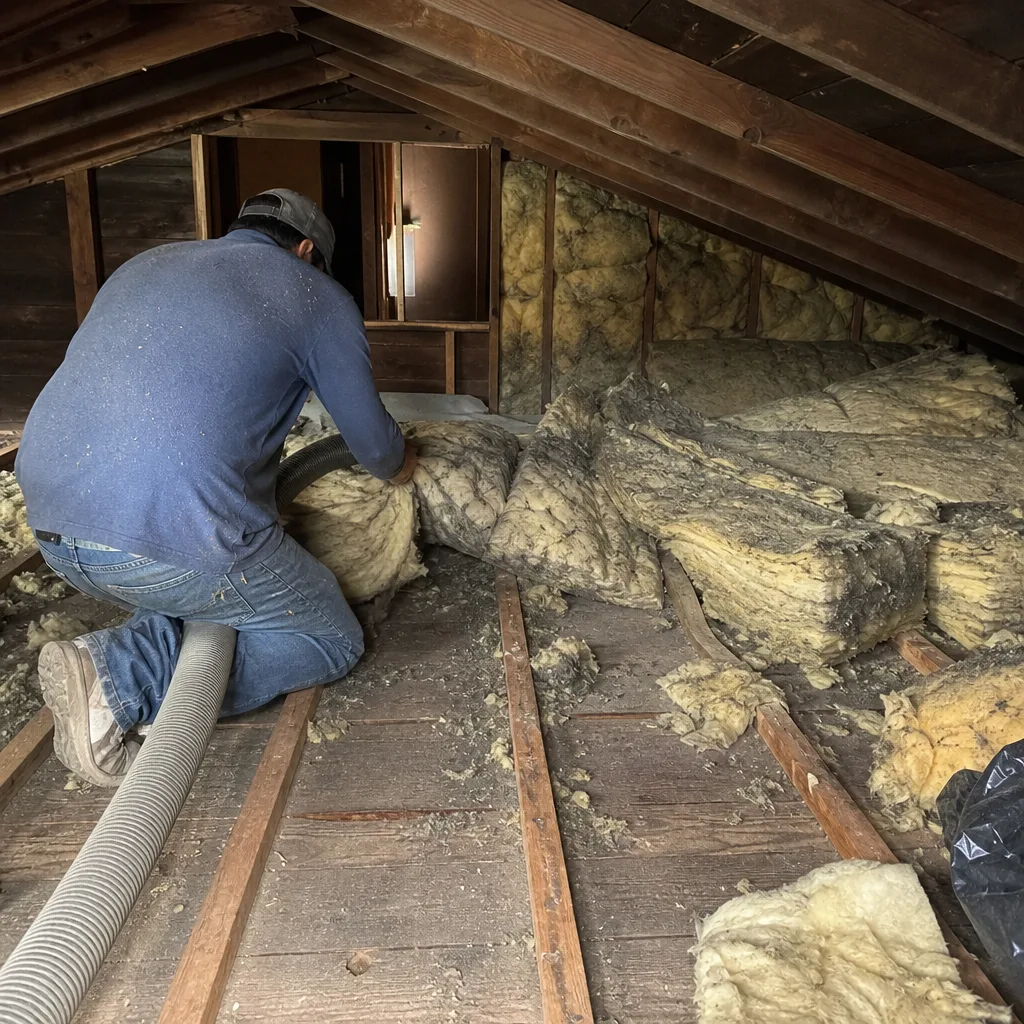 Before
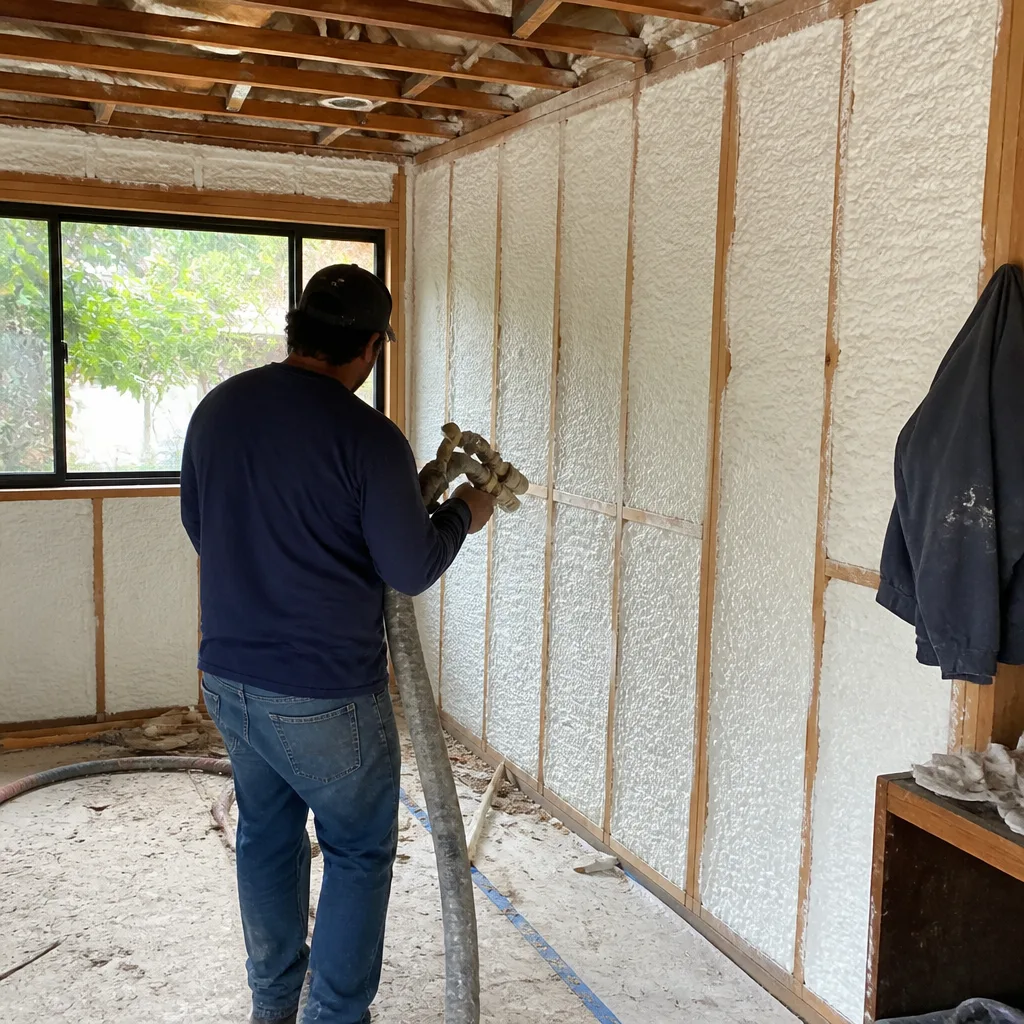 After
AfterWhat Demilec Blown-In Insulation Costs in Glendale
| Job Type | Typical Range | What Moves the Price |
|---|---|---|
| Attic top-up (blown fiberglass over existing Demilec) | $2,800 – $4,600 | Attic square footage, accessibility, whether existing material must be removed first |
| Dense-pack wall insulation (Demilec retrofit or repair) | $3,200 – $5,800 | Wall cavity depth, number of stories, interior or exterior access |
| Crawl space blown-in replacement of failed Demilec | $4,500 – $7,200 | Moisture remediation needed, vapor barrier condition, joist cavity height |
| Air sealing only (pre-insulation prerequisite) | $1,800 – $3,400 | Number of penetrations, can light count, chimney chase complexity |
These are installed prices with materials and labor, based on jobs we’ve completed in Glendale neighborhoods from Rossmoyne to Glenwood. We don’t do “estimates” that change at the truck - Haven Standard Clause 1 is a written price, written scope, written warranty before anyone lifts a tool. Call (213) 474-3828 and we’ll schedule a site visit; the written price follows within 24 hours.
Why Glendale Homeowners Call Topside Attic Insulation Glendale for Demilec Work
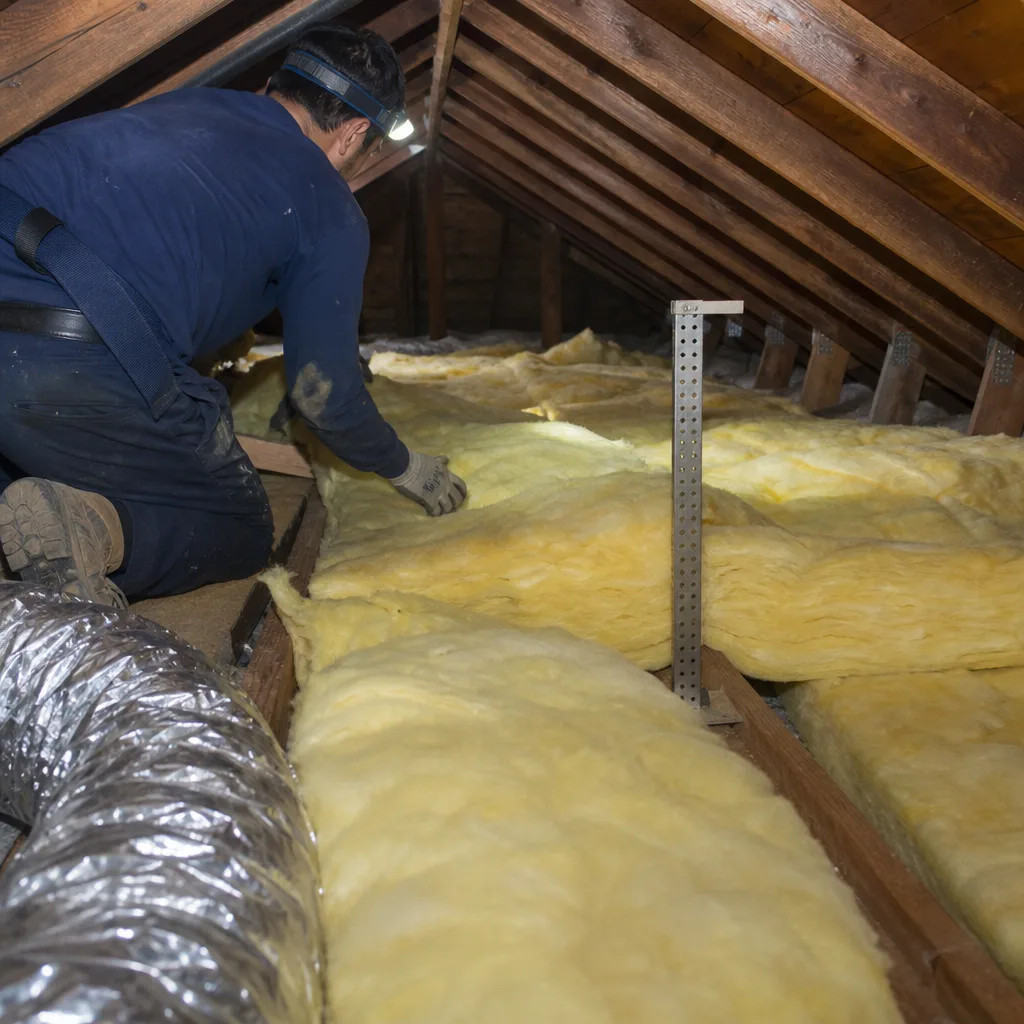
We’ve been running blower-door tests on Demilec installations since before the HFO reformulation, and we’ve learned that the product performs fine when the envelope is sealed first and fails predictably when it isn’t. Our techs carry Demilec, Owens Corning, Johns Manville, Knauf, and Reflectix materials on the truck - no single-brand lock-in means we specify what actually fits your assembly, not what our distributor needs to move.
Every job closes with a Documented Photo Record and, on applicable work, before-and-after blower-door numbers printed on the same page. The 365-Day Done Right Promise covers all completed work. Calls are answered by a live person 24/7, and we offer a Free Second Opinion on any written estimate you’ve already received - bring us another contractor’s scope and we’ll read it with you, line by line.
FAQs
Demilec’s material warranty covers product defect, not installation error, and remains valid regardless of who services it; our work is covered under our own 365-Day Done Right Promise. The distinction matters because many “warranty void” claims we hear are actually installation issues - overspray thickness, cold-weather application, or missing substrate prep - that the original installer should correct but often won’t. We document everything so you have a record if manufacturer coverage ever applies. Call (213) 474-3828 and we’ll review your original invoice to sort out what’s product and what’s labor.
Yes, though R-value per inch differs: Demilec closed-cell spray foam runs about R-6.5 per inch, while blown-in cellulose is R-3.2-R-3.8 and fiberglass is R-2.2-R-2.7. We make up the difference with depth - a 12-inch cellulose layer in an attic achieves R-38 to R-45, which meets or exceeds Title 24 requirements for Glendale’s climate zone. The critical factor isn’t the material’s R-value per inch; it’s whether the cavity is sealed before the insulation goes in. An R-60 attic with open bypasses performs like R-15.
Most attic top-ups and wall dense-packs are completed in one working day; crawl space replacements or jobs requiring material removal typically take two. We schedule within 48 hours of written price acceptance, and we don’t queue jobs by deposit date - we queue by readiness, meaning your attic is accessible and any electrical or pest issues are resolved. Same-week scheduling is common in Glendale. Call (213) 474-3828 to check current availability.
Repair is cheaper when the Demilec is sound but discontinuous - localized shrinkage gaps, small delamination areas, or incomplete coverage that dense-pack can bridge. Replacement makes sense when the foam is moisture-damaged, chemically degraded, or installed so thick that it blocks proper ventilation. We make this call with a borescope inspection and moisture readings, not guesswork. You’ll get a written price for both options when the diagnosis is complete.
We don’t stock Demilec spray foam kits for homeowner purchase; we’re an installation and service contractor, not a materials retailer. For repairs requiring foam touch-up, we use Demilec OEM products when the existing installation is still under manufacturer warranty period and the repair must be chemically compatible. For out-of-warranty work or transitions to blown-in systems, we use quality aftermarket sealants and adhesives that meet the same fire and adhesion specs - specified in your written scope so you know exactly what you’re getting.
Written by Wes Okafor, Owner, Topside Attic Insulation Glendale at Topside Attic Insulation Glendale, serving Glendale and nearby areas.