
Demilec Attic Insulation: The Glendale Owner’s Guide
Demilec attic insulation in Glendale typically runs $2.80 to $4.50 per board foot for open-cell spray foam installed, with most complete attic jobs falling between $3,200 and $6,800 depending on square footage and whether the existing insulation needs removal first. We stock Demilec SEALECTION 500 and HEATLOK SOY in common densities, and we can usually start the job within 48 hours of your written approval. Most Glendale homeowners realize their Demilec insulation is failing when they notice hot second-floor bedrooms in July, even with the AC running flat out, or when they spot yellowing, crumbling foam near recessed can lights where the original installer skipped the fire-rated barrier.
Which Demilec Models This Applies To
Demilec’s two main product lines for residential attics are SEALECTION 500, a 0.5 lb/ft³ open-cell foam with an R-value of 3.7 per inch, and HEATLOK SOY, a 2.0 lb/ft³ closed-cell foam at R-6 per inch. Both are water-blown and marketed as low-VOC, but they behave differently in Glendale’s climate. Open-cell allows some vapor permeance, which is fine for vented attics with proper exhaust; closed-cell is the wrong choice for an unvented assembly unless paired with mechanical dehumidification, and we’ve pulled out plenty of HEATLOK that was specified by a contractor who didn’t run the hygrothermal math.
To identify what you’ve got, check the spray foam surface texture. SEALECTION 500 has a softer, almost bread-like consistency and will dent under firm thumb pressure. HEATLOK SOY is rigid and sounds hollow when tapped. The original installer should have left a job card with the lift thickness and pass count; if they didn’t, that’s a red flag we see constantly in Glendale’s 1950s ranch remodels. We also stock Reflectix radiant barrier for hybrid assemblies where the homeowner wants foam plus reflective surface.
Topside Attic Insulation Glendale is an independent service provider, not affiliated with Demilec. We source through authorized distributors and install to Demilec’s published specifications, but we don’t push one brand. If your existing foam is salvageable, we’ll say so.
Signs Your Demilec Attic Insulation Is Failing
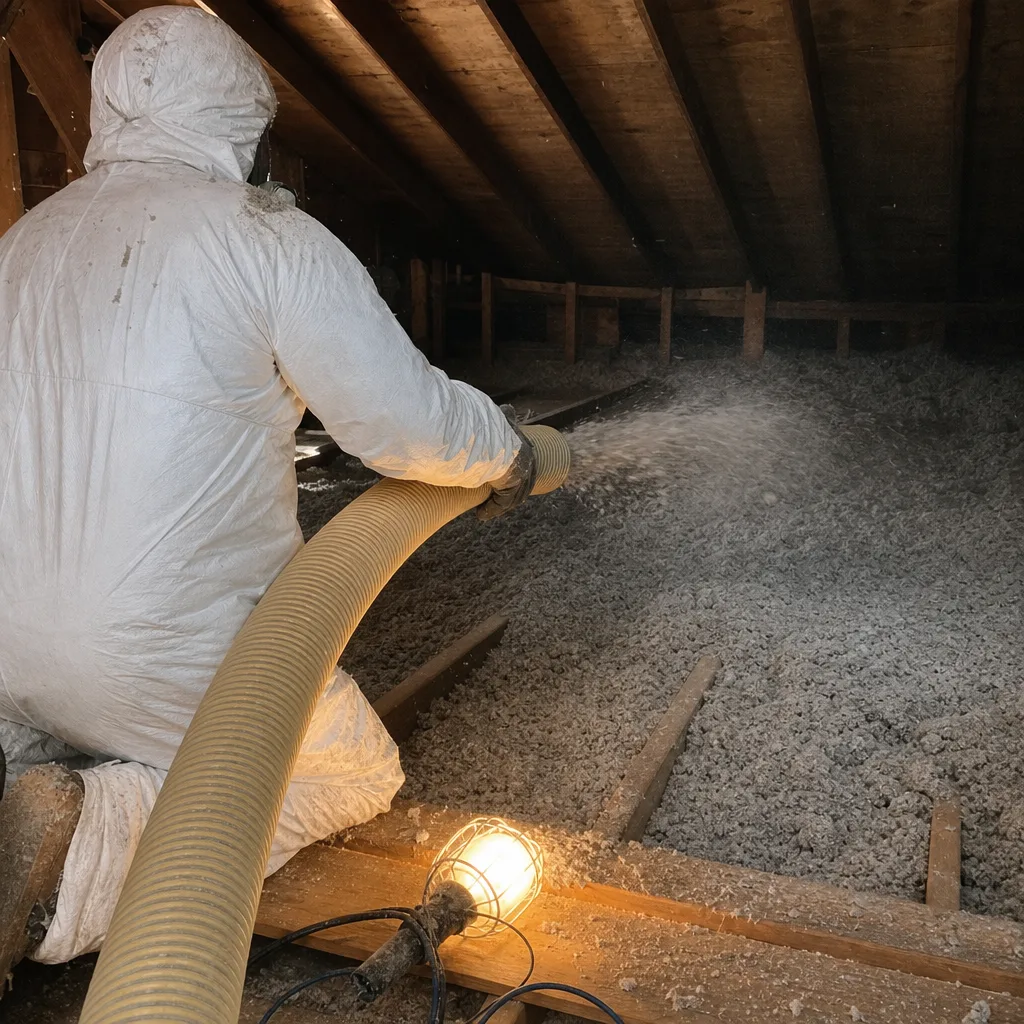
- Hot spots on the ceiling below the attic. SEALECTION 500 that’s separated from the substrate, usually from a dirty deck or high humidity during cure, creates air gaps. The infrared camera shows 15-20 degree surface temperature differences. We find this most often in Glendale’s hillside homes where the afternoon sun loads the roof sheathing and the foam delaminates from thermal cycling.
- Yellowing or brown streaks in the foam surface. This is UV degradation from an unsealed attic access or gable vent that lets in direct light, or it’s chemical breakdown from incompatible substrates. Demilec specifies a UV-protective coating for any exposed foam; if your installer skipped it, the foam starts to powder within 3-5 years.
- Musty odor that worsens in September when Santa Ana winds drop the humidity. Open-cell foam in an unvented attic can act as a reservoir if the assembly wasn’t designed for moisture storage. The smell is microbial growth on the back side of the drywall where condensation forms at the foam-drywall interface.
- Ice damming or icicles at the eaves in rare freeze events. Even in Glendale, we get a handful of nights below 32°F. If your Demilec was installed over unsealed top plates, warm air leaks past the insulation and melts roof snow at the ridge. The water refreezes at the cold eave. It’s an air-sealing failure, not an insulation failure, but the fix usually involves both.
- Crunching or crumbling when you touch the foam surface. Closed-cell HEATLOK that’s been exposed to sustained temperatures above 180°F, typically from a recessed can light or uninsulated duct, undergoes thermal degradation. The isocyanate breaks down and the foam loses structural integrity. This is not repairable; it has to come out.
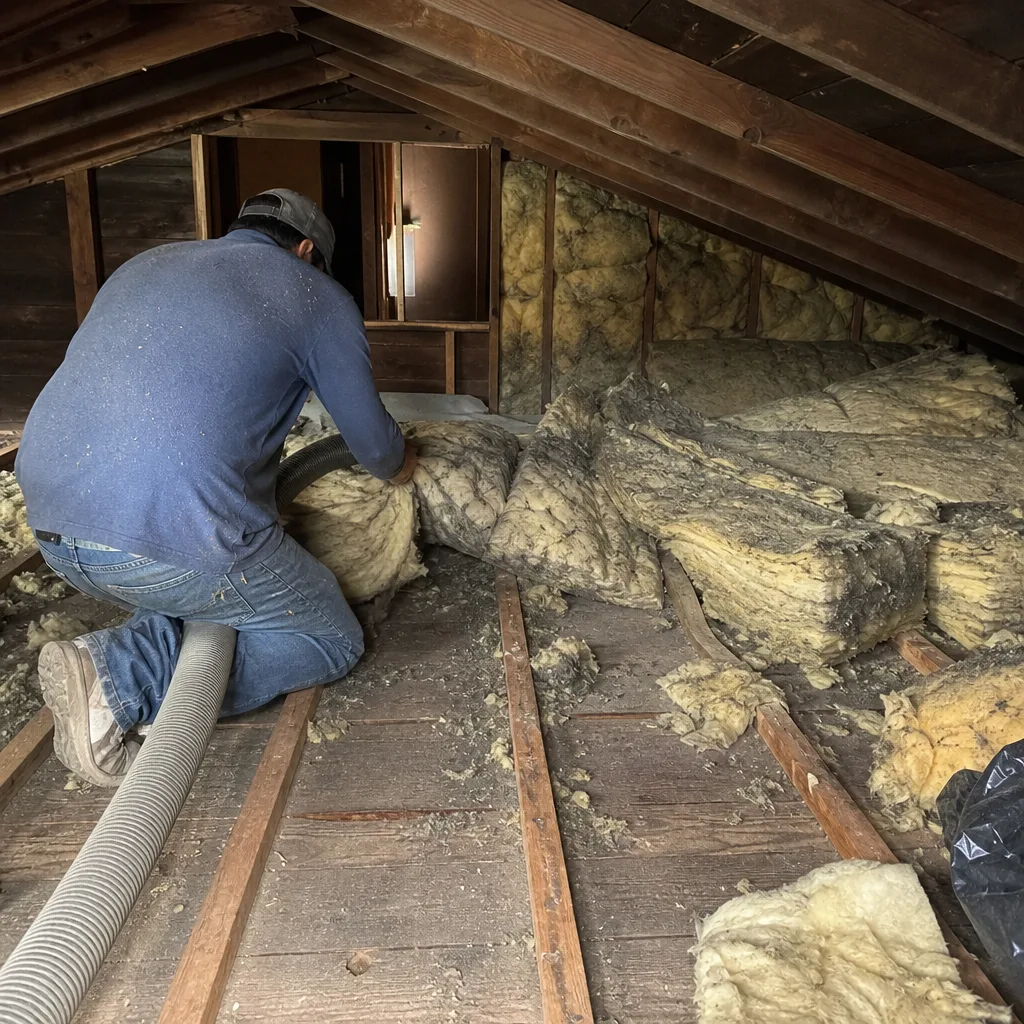 Before
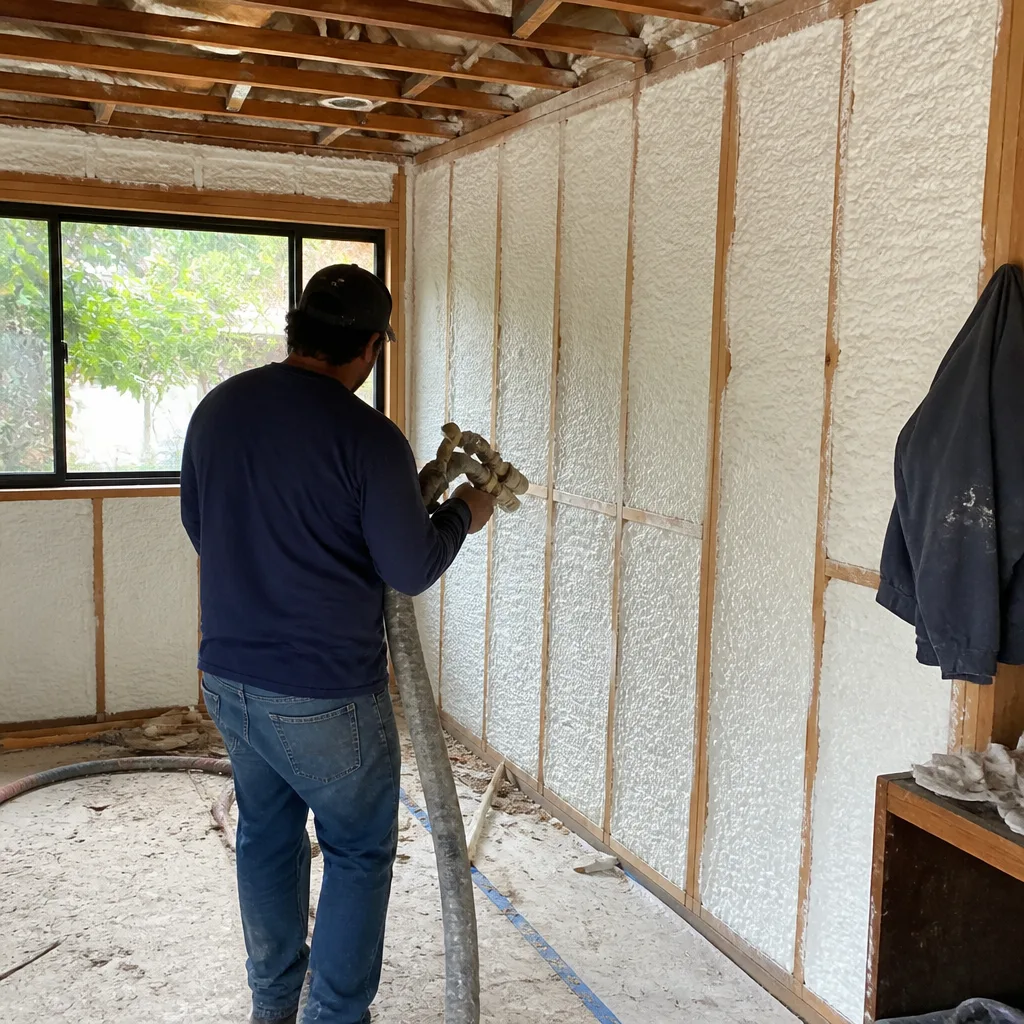 After
AfterReplacement Cost & What’s Included
Most Demilec attic insulation jobs in Glendale run between $3,200 and $6,800 installed. The low end covers a straightforward SEALECTION 500 application over a clean, sealed attic floor in a 1,200 square foot home. The high end includes removal of failed foam, deck cleaning, full air sealing of top plates and penetrations, and HEATLOK SOY in a 2,000 square foot conditioned attic assembly.
Here’s how the price breaks:
- Insulation removal and disposal: $1.20-$2.10 per square foot
- Attic air sealing (top plates, can lights, penetrations): $850-$1,400
- SEALECTION 500 open-cell spray foam: $2.80-$3.40 per board foot
- HEATLOK SOY closed-cell spray foam: $3.80-$4.50 per board foot
- Fire-rated thermal barrier coating where required by code: $0.90-$1.30 per square foot
Every job gets a Written Price Before Any Work Starts under Haven Standard Clause 1. That price includes parts, labor, the Documented Photo Record, and pre- and post-installation blower-door numbers where applicable. The 365-Day Done Right Promise covers workmanship and material adhesion. Call (213) 474-3828 for an exact quote on your specific assembly; estimates are free.
DIY or Call Us?
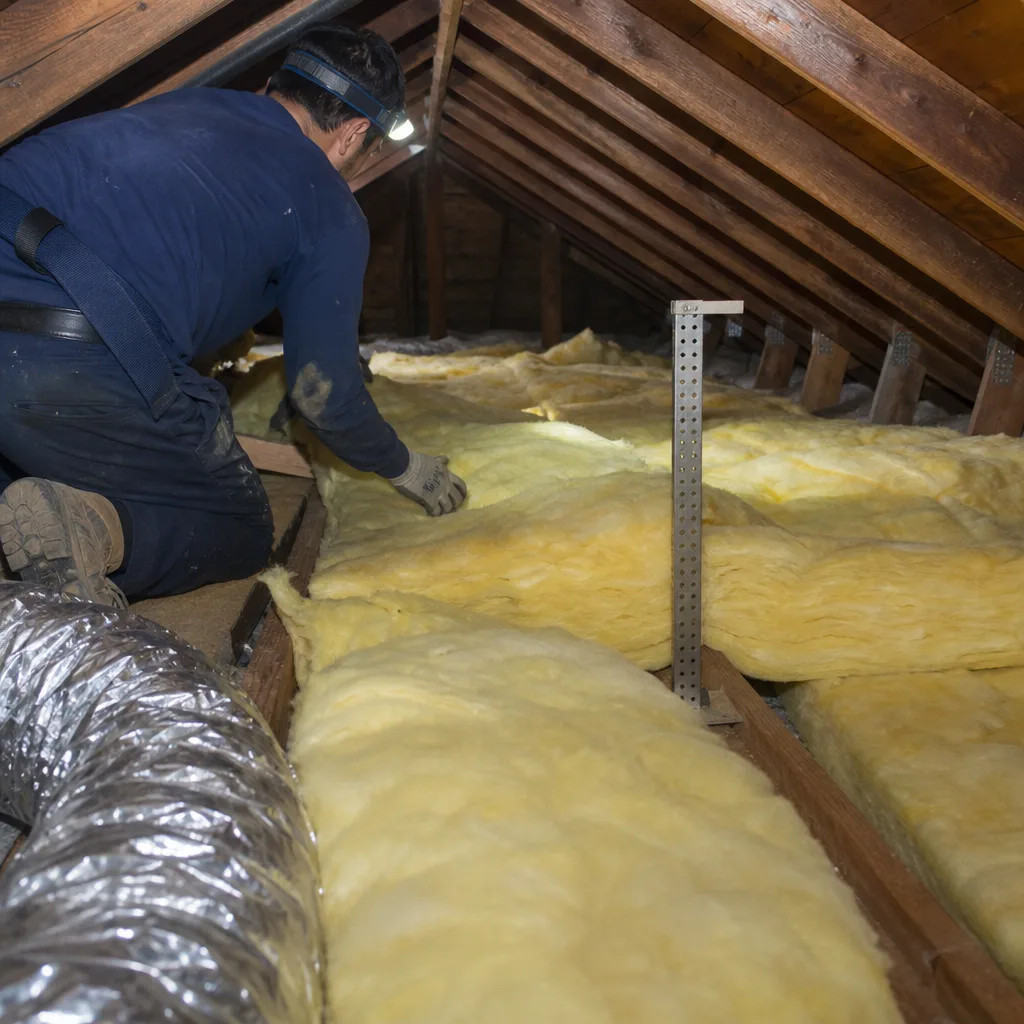
There’s exactly one thing a homeowner can safely check: whether the attic access is weatherstripped and whether any foam is visibly exposed to sunlight. Everything else requires equipment and training.
Spray foam is a two-component chemical reaction. The A-side isocyanate is a respiratory sensitizer; without a supplied-air respirator and full skin coverage, you’re risking asthma induction that never reverses. The substrate has to be clean, dry, and within temperature range, or the foam won’t bond and you’ll be tearing it out in two years. And in Glendale, any foam installed in an occupied attic requires a 15-minute thermal barrier coating per CBC Section 2603.4.1.6; skip it and you’re out of code and out of luck if there’s ever an insurance claim.
We run into failed DIY foam jobs in the Verdugo Woodlands and Adams Hill neighborhoods more often than you’d expect. The fix costs more than the original professional installation would have. If you’re considering it, call us for a Free Second Opinion on your plan; we’ll tell you honestly whether it’s a reasonable weekend project or a job for a rig with heated hoses and proper ventilation.
FAQs
Properly installed Demilec spray foam should last the life of the building, 25 years or more. In practice, we see failures at 5-8 years when the original installer skipped air sealing, applied foam to a damp deck, or didn’t specify the thermal barrier. Glendale’s combination of intense summer roof loading and occasional winter moisture makes the installation details matter more than the product itself. Call (213) 474-3828 if you’re unsure about your installation date or condition; estimates are free.
Small delaminated areas can sometimes be scarfed back and re-foamed if the substrate is sound and the failure is mechanical, not chemical. If the foam is yellowed, powdering, or thermally degraded, removal is the only option. We don’t patch over failed foam; it’s expensive noise reduction, and the problem just migrates. Call (213) 474-3828 and we’ll assess whether you’re looking at a spot repair or a full replacement.
Most jobs are two days: one day for removal and air sealing, one day for foam application and cure. HEATLOK SOY needs 24 hours before occupancy; SEALECTION 500 is typically 12 hours. We schedule so you’re not sleeping in a hotel. For timing in your specific Glendale neighborhood, call (213) 474-3828.
We stock SEALECTION 500 and HEATLOK SOY in standard densities on our rig, and we order specialty formulations with a 3-5 day lead if your assembly requires them. We don’t make you wait for a “truck day”; the material shows up when the crew does. Call (213) 474-3828 to confirm availability for your job date.
Seal the bypasses first. Insulation over air leaks is just expensive noise reduction. Wes Okafor learned that at Richard J. Daley College in Chicago, where the building science curriculum drilled air sealing before it was fashionable anywhere, and we’ve applied it to every one of the 9,000-plus homes we’ve worked on since 2016. In Glendale’s older housing stock, the bypasses are usually the bigger problem than the R-value.
Ready to get your attic right? Call (213) 474-3828 for a free estimate. We’ll run a blower-door test, show you the numbers, and give you a written price before anyone lifts a tool.
Written by Wes Okafor, Owner, Topside Attic Insulation Glendale at Topside Attic Insulation Glendale, serving Glendale and nearby areas.