
Icynene Attic Air Sealing: The Glendale Owner’s Guide
Most Icynene attic air sealing jobs in Glendale run between $1,800 and $3,400 installed, depending on attic square footage and how many top plates, can lights, and duct chases need sealing. We stock Icynene-compatible open-cell spray foam, one-part foam for detail work, and rigid foam board for damming on every truck, and we can usually start the same day you call. Homeowners usually figure out something’s wrong when their upstairs rooms won’t stay cool in August despite the AC running nonstop, or when they spot dusty insulation around recessed lights - both signs that conditioned air is escaping through gaps the original sealing missed or has let go.
Which Icynene Models This Applies To
Icynene’s open-cell spray foam systems - primarily the LD-C-50 and LD-R-50 series used in residential attic applications - are what we encounter in Glendale homes built or remodeled between 2010 and 2020. The product itself doesn’t fail so much as it gets installed incompletely: a thin pass over the top plates, skipped can light housings, or gaps around chimney and plumbing stacks where the crew ran short on material or time. We also see Icynene used as part of hybrid systems, where open-cell was sprayed against the roof deck for an unvented attic but the floor plane was never properly sealed for the conditioned space below.
To identify what you’ve got, look for the Icynene stamp on any exposed foam in the attic - usually found on the underside of the roof deck or against gable walls. The density matters: LD-C-50 runs about 0.5 pounds per cubic foot, which is right for air sealing but not structural. If someone’s told you the foam is “crumbling” or “shrinking,” what they usually mean is that a low-density formulation was applied too thin (less than 3 inches in a single pass) and the substrate wasn’t properly prepped. We don’t sell proprietary Icynene-branded material - we’re an independent service provider, not affiliated with Icynene - but we source equivalent or superior open-cell foam from Demilec and other manufacturers that meets the same ASTM E-84 and ICC-ESR standards. For repairs and retrofits, we often use one-part polyurethane foam (Tremco or Hilti equivalents) for detail work around existing Icynene, since full two-part respray in a finished attic is usually overkill and disruptive.
Signs Your Icynene Attic Air Sealing Is Failing
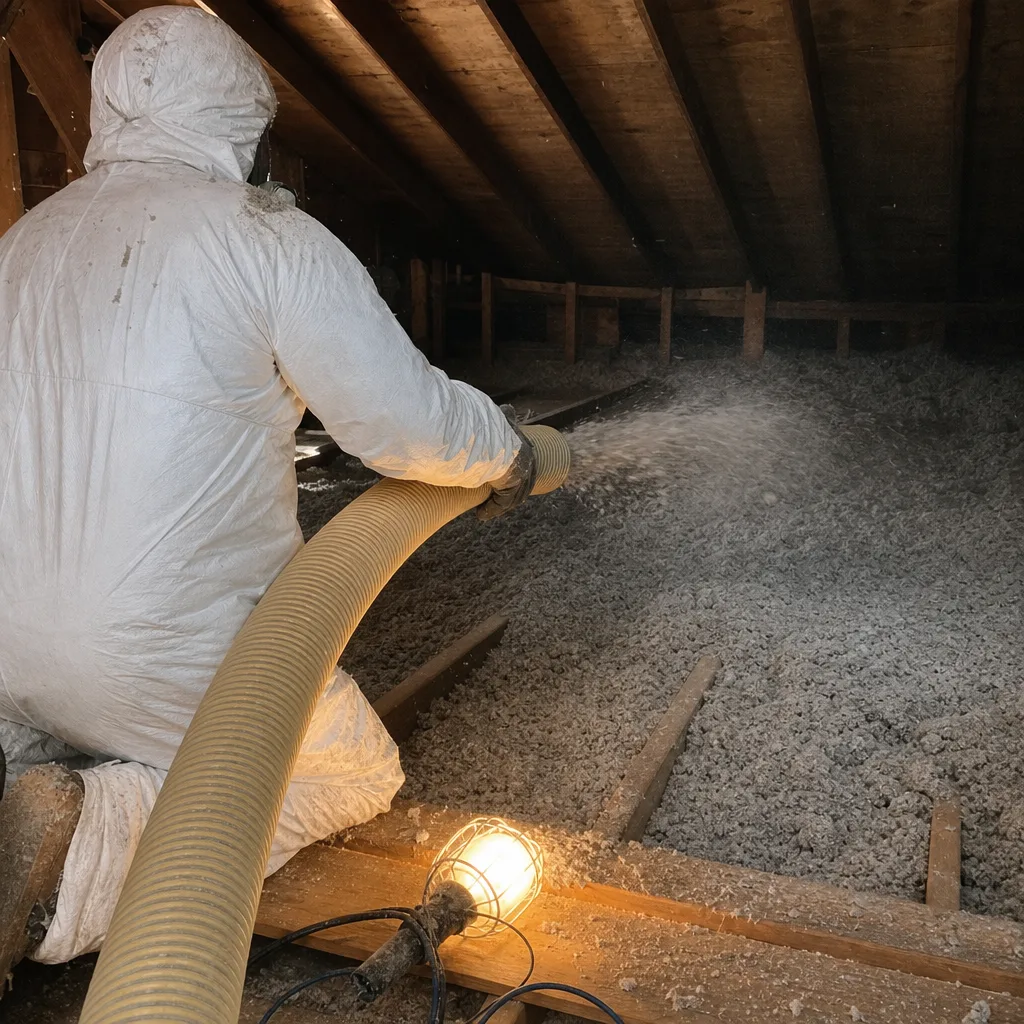
- Hot second-floor rooms in summer despite good insulation depth. The Icynene against your roof deck may be intact, but if the attic floor wasn’t sealed where drywall meets top plates, conditioned air is leaking into the vented attic space. We find this constantly in Glendale’s 1950s ranch homes near Glenoaks Boulevard, where additions created complicated ceiling planes.
- Dusty or darkened insulation around recessed can lights. This is filtered air leakage - your HVAC system is pushing conditioned air through the Icynene and into the attic, and the insulation acts as a filter. The Icynene itself may be fine; the failure is that can lights were never properly boxed and sealed before the foam went in.
- Ice damming or moisture staining at eaves in winter. Even in Glendale’s mild climate, rare cold snaps can reveal where Icynene was sprayed against the roof deck but the eaves weren’t fully sealed to the exterior wall top plates. Warm, moist interior air hits cold sheathing and condenses.
- New or worsening allergy symptoms after attic work. If Icynene was applied over dirty substrate - rodent droppings, old cellulose, unsealed duct leaks - the foam can trap those contaminants against the living space. The seal is technically “working” but in the wrong direction.
- Blower-door numbers that haven’t improved despite the investment. We meet homeowners who paid for “Icynene attic sealing” and were never given a pre- or post-installation blower-door test. Without that CFM50 number, there’s no proof the envelope actually tightened. A properly sealed attic should drop your building’s air changes per hour by 30 to 50 percent.
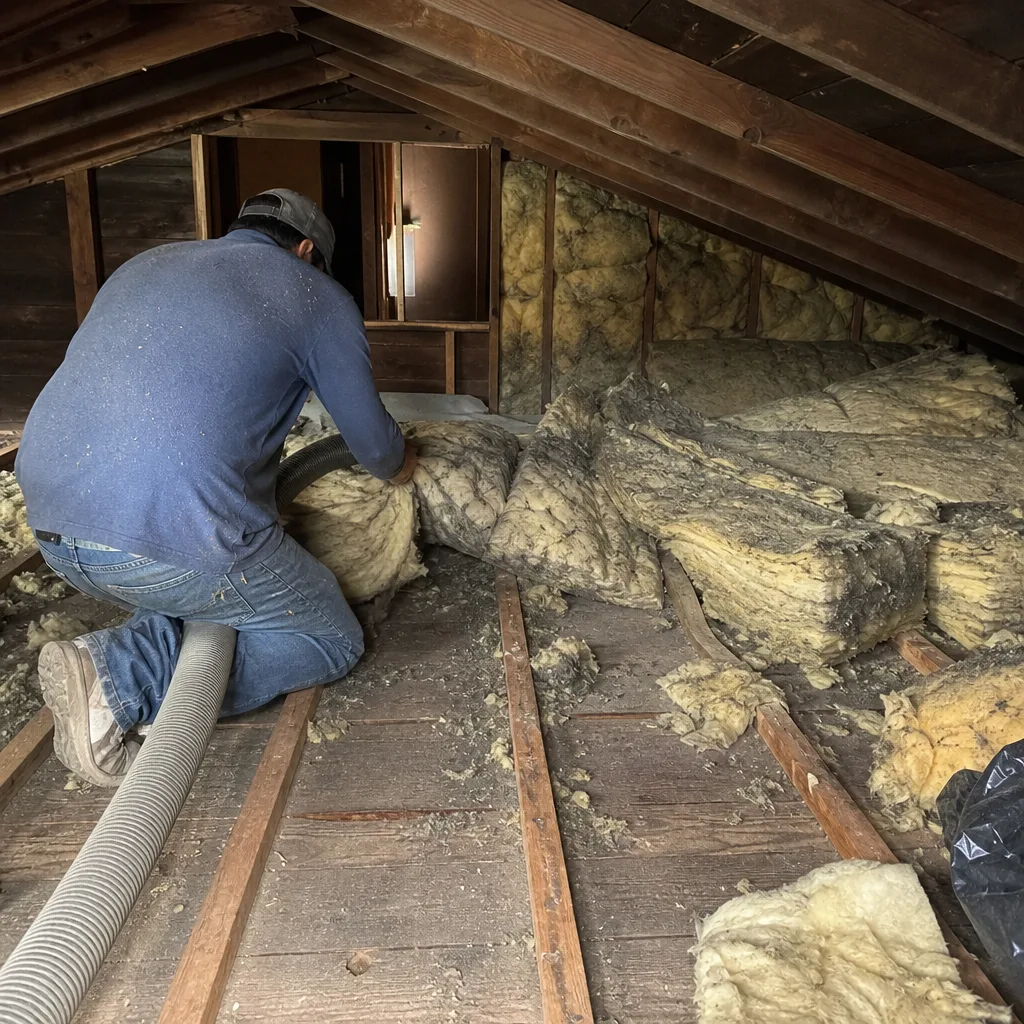 Before
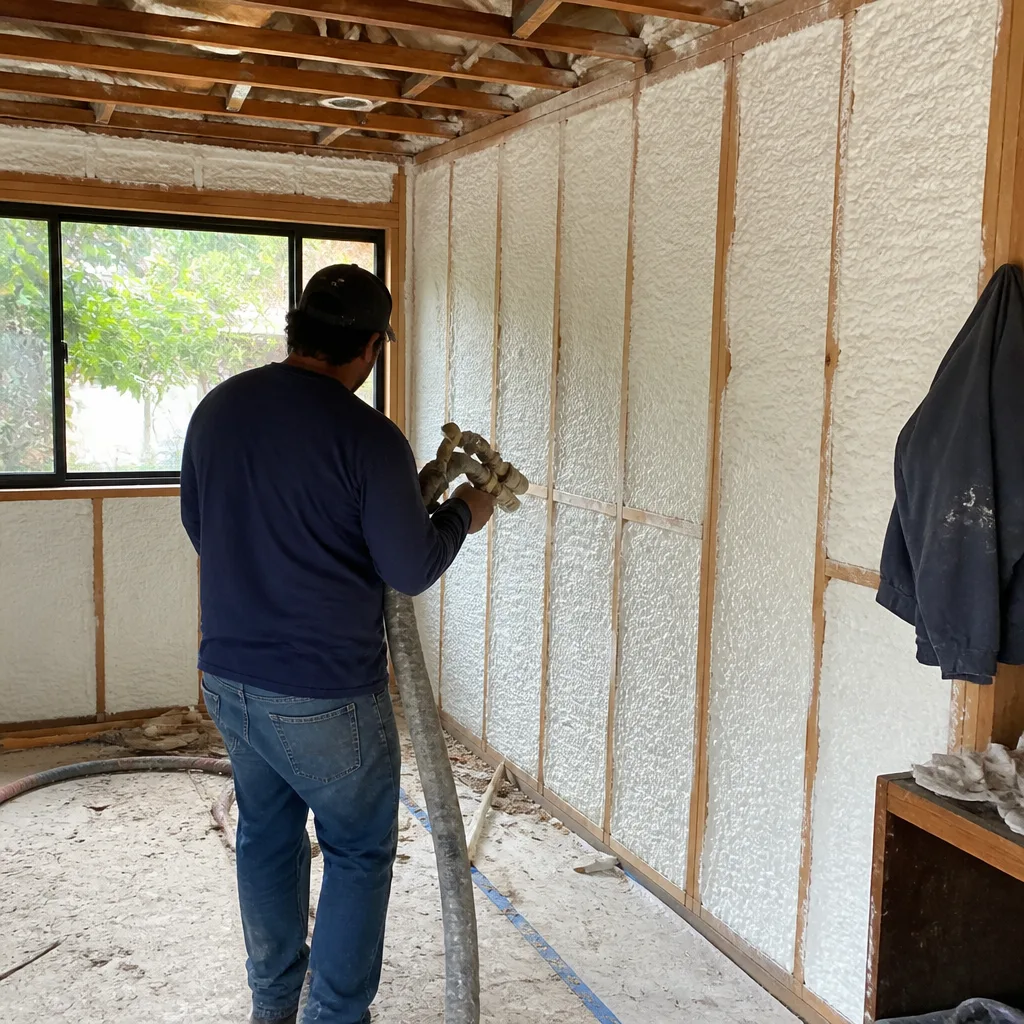 After
AfterReplacement Cost & What’s Included
For a typical 1,200 to 2,000 square foot Glendale attic, complete air sealing with Icynene-compatible materials runs $1,800 to $3,400. That includes labor, material, setup and breakdown, and our Documented Photo Record. The low end covers a straightforward floor-plane seal with one-part foam and rigid board dams; the high end involves roof-deck work, multiple can light boxes, and chase wrapping around a furnace or ductwork.
What drives the range: accessibility (cathedral ceilings or tight truss bays add time), contamination level (rodent damage requires cleaning before sealing), and whether we’re working around existing Icynene or starting fresh. We don’t layer new foam over old without testing adhesion first - that’s how you get delamination in Glendale’s dry heat cycles. Every job gets a written price before any work starts, per Haven Standard Clause 1. The 365-Day Done Right Promise covers our workmanship and material adhesion.
DIY or Call Us?
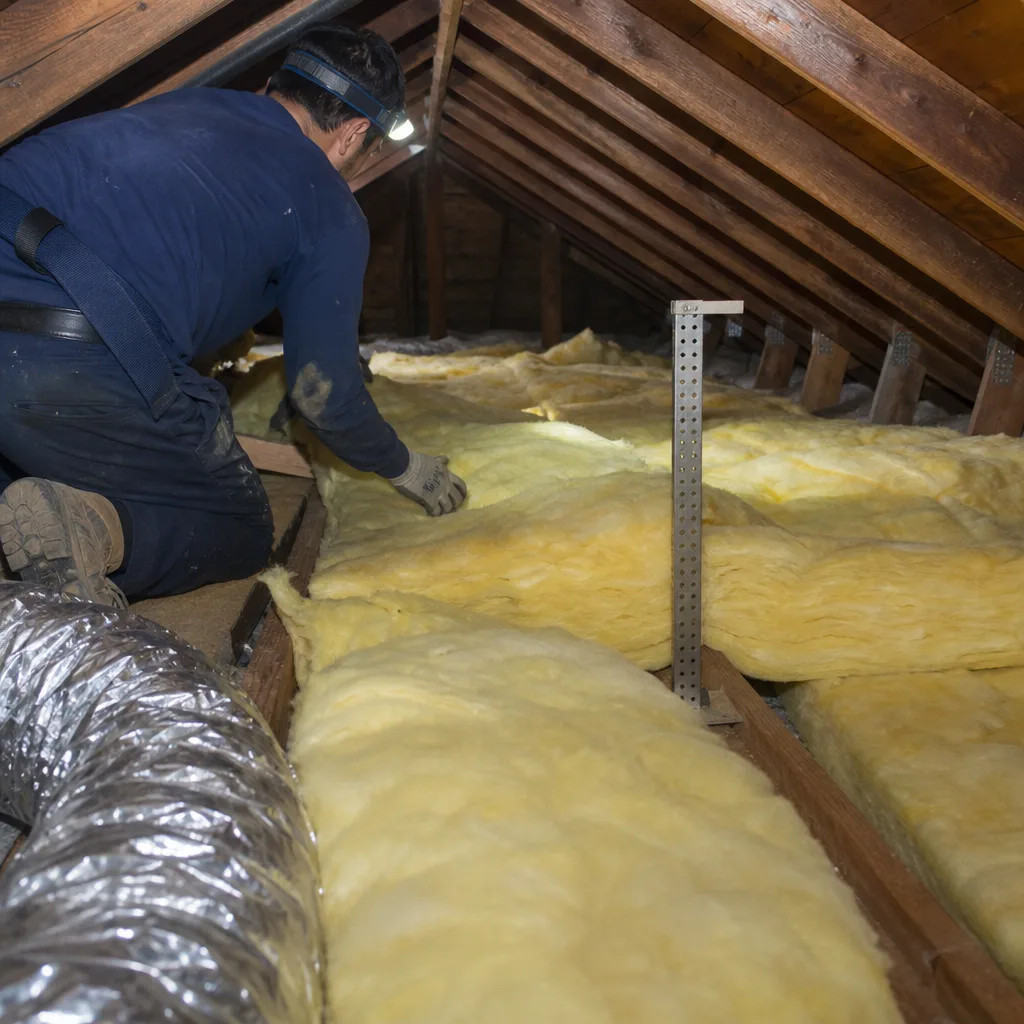
Here’s what you can safely check yourself: turn off your HVAC, close all windows and doors, and feel around attic hatches, can lights, and top plates with a smoke pencil or even a stick of incense on a still day. Where the smoke wavers, you’ve got a leak. You can also inspect any visible Icynene for obvious gaps, thin spots, or areas where the foam has pulled away from framing.
Where DIY goes wrong: two-part spray foam requires respiratory protection, ventilation engineering, and substrate temperature control that most homeowners don’t have. One-part cans from the hardware store are fine for gaps under 1/2 inch, but they shrink and degrade in attic heat within a few years. And without a blower-door test, you’re guessing at whether you’ve actually tightened the envelope. Seal the bypasses first. Insulation over air leaks is just expensive noise reduction. For anything beyond spot-sealing a single penetration, call (213) 474-3828. We’ll give you a written price and show you the before-and-after numbers.
FAQs
Open-cell spray foam like Icynene, when properly applied to clean, dry substrate, maintains its seal for the life of the building - 25 years or more. In Glendale’s climate, the bigger risk is UV degradation if the foam is exposed to light through a missing gable vent screen, or mechanical damage from future trades working in the attic. We inspect for both during every job. Call (213) 474-3828 if you’re unsure about your foam’s condition - estimates are free.
Most Icynene failures are localized - a missed penetration, a thin spot, or damage from a later electrician - and can be repaired without removing the existing foam. We cut back to sound material, prep the substrate, and bridge with compatible foam or detail sealant. Full removal is only necessary when the foam was applied over contaminated substrate or has experienced widespread chemical breakdown, which is rare. Call (213) 474-3828 and we’ll tell you which category you’re in - no charge for the assessment.
A typical Icynene attic air sealing repair in Glendale takes one day for crews of two technicians. Larger attics or jobs requiring roof-deck access panels add a second day. We arrive with materials on the truck, run the blower-door test first thing, and don’t leave until the post-test confirms the target reduction. You’ll have your documented photo record and printed CFM50 numbers before we pack up.
We stock Icynene-compatible open-cell spray foam, one-part polyurethane detail foam, rigid foam board for damming, and fire-rated caulk for penetration sealing on every truck serving Glendale. We also carry Reflectix radiant barrier material for jobs where the attic configuration calls for it. For two-part respray work, we order material to the job to ensure fresh chemistry - spray foam doesn’t store indefinitely in truck heat. Call (213) 474-3828 to confirm same-day availability for your specific repair.
Written by Wes Okafor, Owner, Topside Attic Insulation Glendale at Topside Attic Insulation Glendale, serving Glendale and nearby areas.