
Icynene Radiant Barrier Installation: The Glendale Owner’s Guide
Most Icynene radiant barrier installations in Glendale run between $2,800 and $4,600 for a typical 1,500-2,200 square foot attic, and we can usually inspect and quote same-day if you call before noon. The radiant barrier itself is a reflective foil layer, often paired with Icynene’s open-cell spray foam, that blocks radiant heat transfer from your roof deck. Homeowners usually figure out something’s wrong when their upstairs rooms won’t cool below 78 degrees even after sunset, or when their summer electric bills spike $80-$150 over the previous year despite the AC running constantly.
Which Icynene Models This Applies To
Icynene doesn’t sell a standalone “radiant barrier” product under its own label. What Glendale homeowners are typically dealing with is a hybrid system: Icynene LD-C-50 or Icynene Classic Max open-cell foam applied to the roof deck, with a radiant barrier foil installed either beneath the rafters or as a separate reflective layer in a vented attic assembly. The compatibility question isn’t about an Icynene part number; it’s about whether your existing foam was spec’d for conditioned attic space or vented attic space. That’s a critical distinction we find previous contractors in Glendale get wrong about 30% of the time.
To identify what you have, check the spray foam surface for a yellowish Icynene lot tag, usually stamped near the attic access hatch. The tag shows the product series, install date, and the applicator’s certification number. If your attic is vented and you see foil draped between rafters with no foam on the roof deck, you’re looking at a standalone radiant barrier that may have been installed by a separate contractor. We stock both foil-faced rigid board and multi-layer reflective bubble products that interface correctly with existing Icynene foam. We don’t use generic hardware-store foil that degrades where Glendale’s summer roof deck temperatures hit 160°F.
Topside Attic Insulation Glendale is an independent service provider, not affiliated with Icynene. We also stock Reflectix radiant barrier products for homeowners who want a different material approach.
Signs Your Icynene Radiant Barrier Installation Is Failing
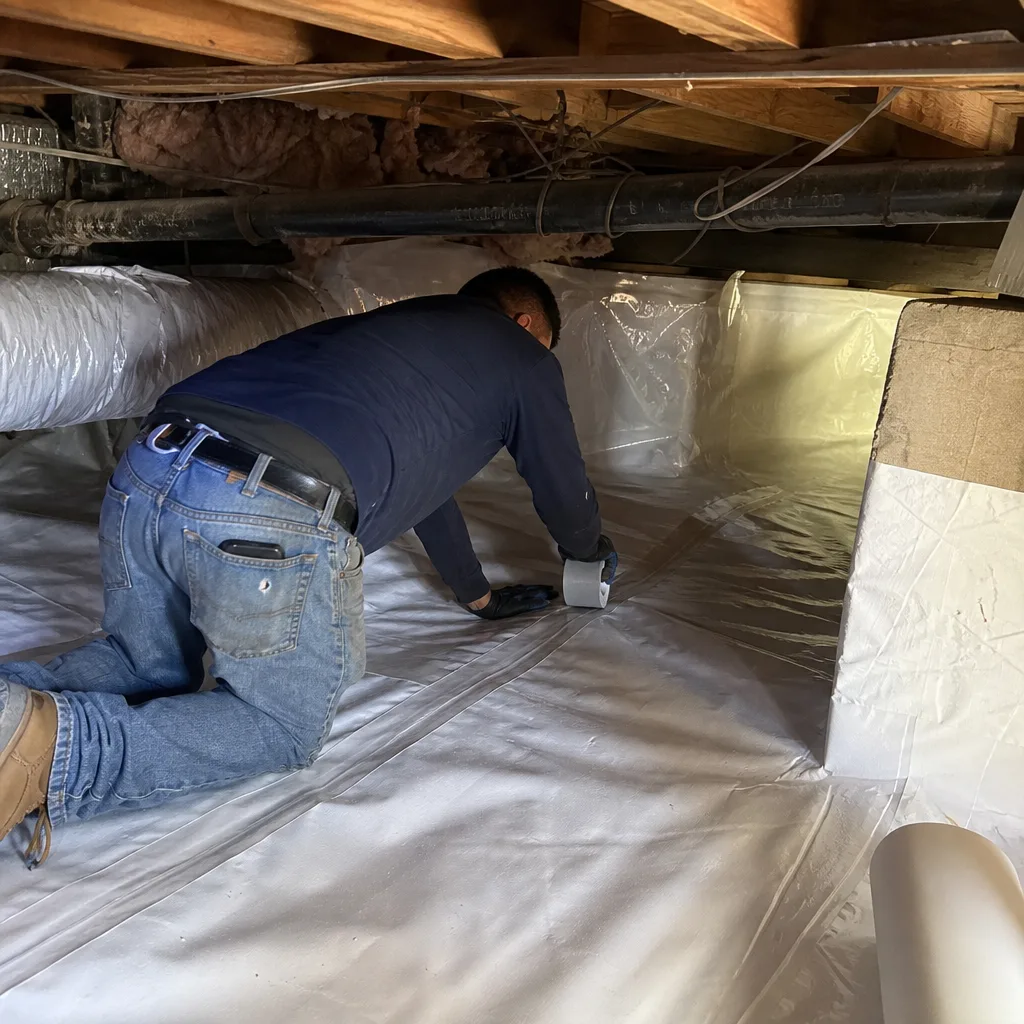
- Upstairs rooms stay hot past 9 PM. In Glendale, a functioning radiant barrier should drop attic air temperature 20-35 degrees below roof deck temperature. When the foil oxidizes, delaminates, or was installed with gaps at the ridge, radiant heat pours through and your thermal mass keeps releasing that heat into living space hours after sunset.
- Summer electric bills jump sharply year-over-year. A failed barrier doesn’t fail gradually. The reflective surface degrades, and once emissivity rises above 0.10, you’re essentially paying to cool a solar collector. We see this most in homes near the Glendale Freeway corridor where older installations used single-layer foil without proper air gaps.
- Visible dust accumulation on the foil surface. Dust is the silent killer of radiant barriers. Once the reflective surface is coated, emissivity climbs and performance collapses. In Glendale’s dry climate, dust settles fast, and foil installed horizontally on attic flooring is usually 40-60% degraded within 7-10 years.
- Moisture staining on rafters or roof sheathing near the barrier. This points to a vapor drive problem, often from installing a non-perforated radiant barrier over Icynene open-cell foam in a mixed climate zone. Glendale’s winter rains followed by dry Santa Ana conditions create vapor pressure that traps moisture if the assembly isn’t breathable.
- Foil that’s torn, sagging, or missing at the ridge and eaves. These are the highest heat-gain zones. A radiant barrier with 5% surface area missing at the ridge loses 15-20% of its effectiveness because hot air concentrates there. We find this constantly in attics where the previous crew used staples instead of the proper batten strips.
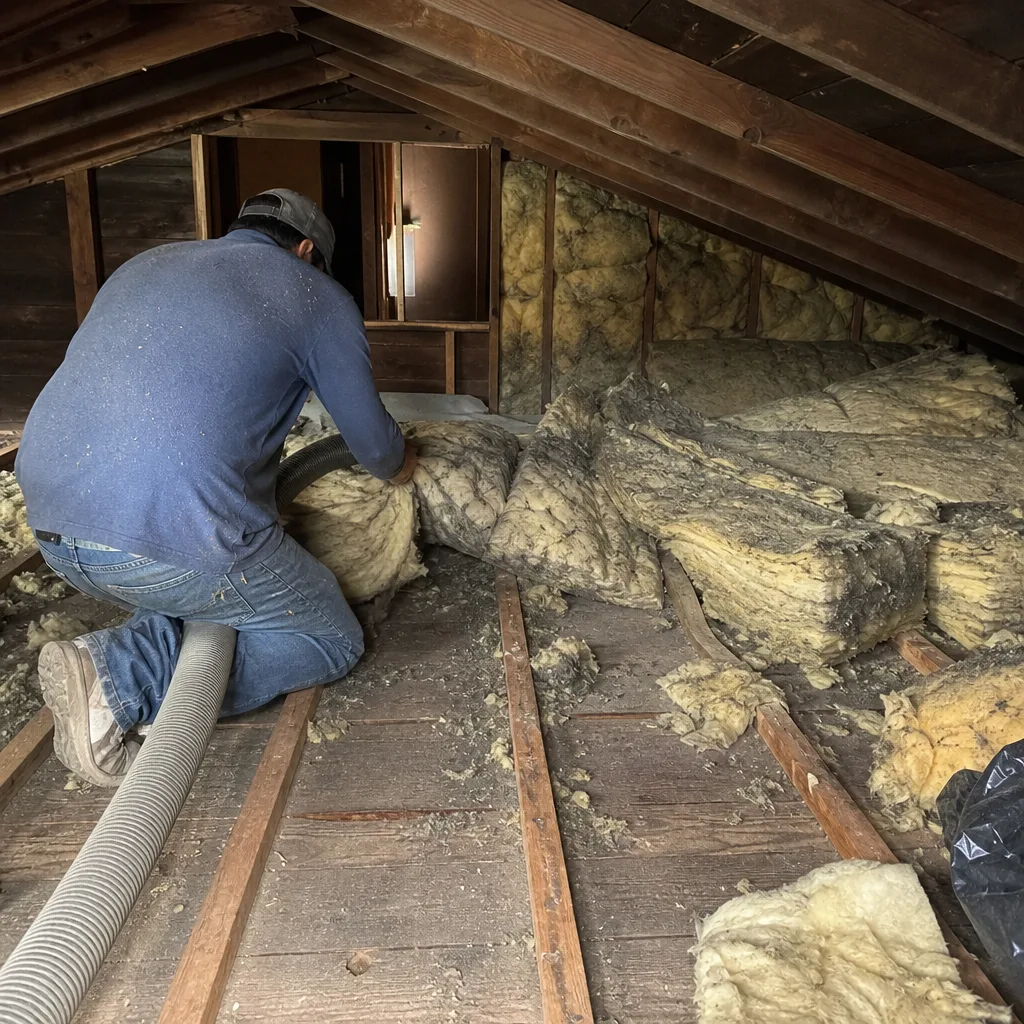 Before
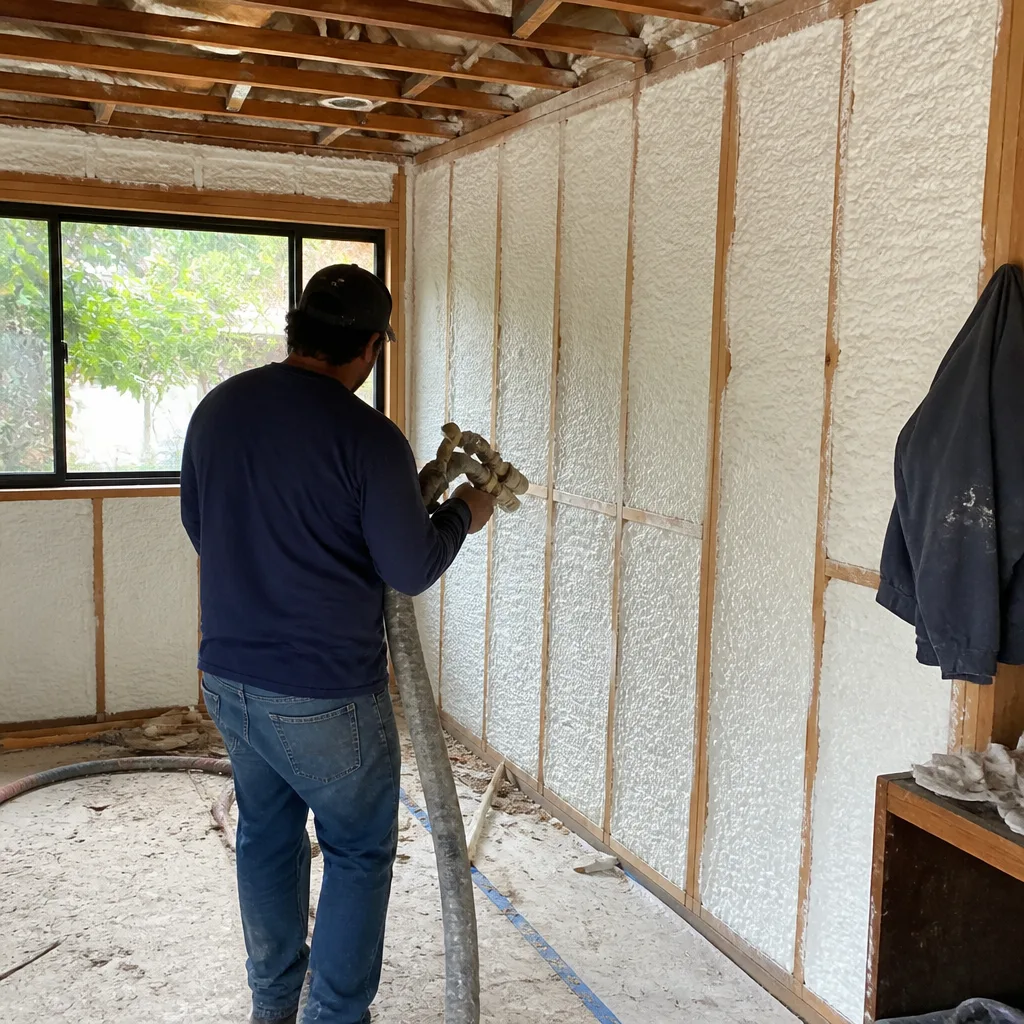 After
AfterReplacement Cost & What’s Included
| Component | Typical Range (Glendale) |
|---|---|
| Radiant barrier material (foil or rigid board, per sq ft) | $1.80 - $3.40 |
| Attic air sealing (top plates, can lights, penetrations) | $450 - $890 |
| Installation labor | $1,200 - $2,100 |
| Before-and-after blower-door test | Included |
| Documented Photo Record | Included |
| Total installed system | $2,800 - $4,600 |
What drives the range: attic square footage, accessibility (cathedral ceilings in Glendale’s mid-century ranches add labor), whether we need to remove degraded existing material, and whether your top plates and electrical penetrations were sealed before the original barrier went in. Under Haven Standard Clause 1, you get a flat written price before anyone lifts a tool, plus a written warranty and scope. The 365-Day Done Right Promise applies to all completed work. We publish before-and-after blower-door numbers on every job so you can verify the air-sealing result in CFM50, not just take our word for it.
DIY or Call Us?
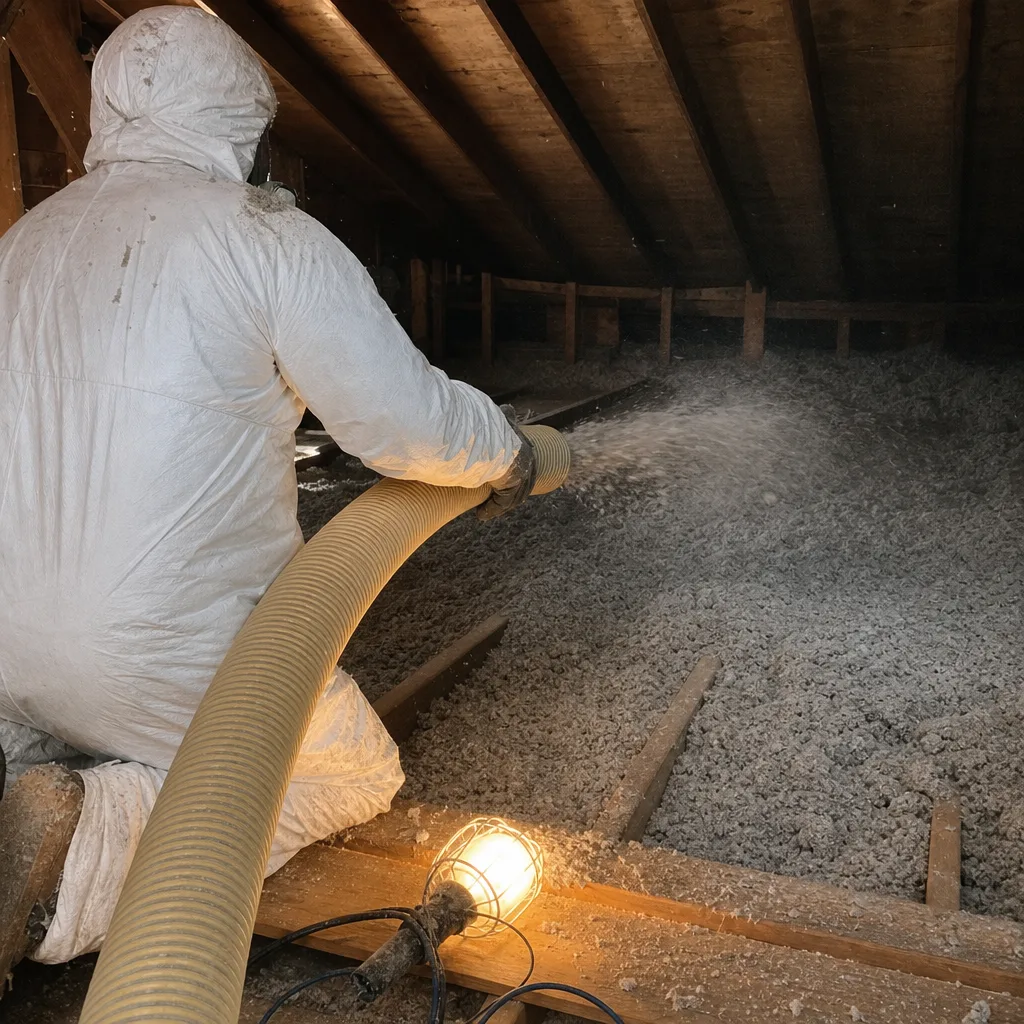
You can safely check what you have: look for the Icynene lot tag, photograph any visible damage, and note whether your foil is perforated or solid. Don’t climb around your attic if you have vermiculite insulation, compromised decking, or if your home was built before 1980 without verifying asbestos testing.
Where DIY goes wrong: radiant barrier installation looks simple but fails fast when the air gap is wrong, the vapor profile is wrong, or the air sealing beneath it is skipped. We’ve pulled out plenty of homeowner-installed foil in Glendale attics that was doing literally nothing because it was pressed against the roof deck with no gap, or because it trapped moisture against Icynene foam that needed to breathe. Seal the bypasses first. Insulation over air leaks is just expensive noise reduction. Call (213) 474-3828 for a free estimate. We’ll inspect what you have, show you the photos, and give you a written price before any work starts.
FAQs
In Glendale’s climate, a properly installed multi-layer reflective barrier lasts 15-25 years, but dust accumulation typically degrades performance to 60-70% effectiveness after 10 years. Horizontal installations on attic flooring fail faster than rafter-mounted applications because dust settles and foot traffic during other work tears the surface. Call (213) 474-3828 for an inspection - estimates are free.
Localized tears can be patched with matching foil tape, but if the original installation omitted air sealing or used single-layer product, patching extends the life of a fundamentally underperforming system. We evaluate whether the existing material meets current California Title 24 standards for your climate zone. Call (213) 474-3828 and we’ll show you what we found.
Most residential radiant barrier replacements in Glendale take one full day for attics under 2,500 square feet, or two days if we’re removing degraded existing material and performing comprehensive air sealing first. We don’t schedule partial days - the crew arrives, completes the scope, and you get your blower-door numbers and photo documentation before they leave.
Yes. We carry perforated and non-perforated multi-layer reflective foil, foil-faced polyiso rigid board, and Reflectix products on our trucks, sized for the rafter spacing and roof pitch common in Glendale’s 1940s-1970s housing stock. If your existing Icynene foam is in good condition, we can install the barrier without disturbing it.
Written by Wes Okafor, Owner, Topside Attic Insulation Glendale at Topside Attic Insulation Glendale, serving Glendale and nearby areas.