
CertainTeed Attic Air Sealing: The Glendale Owner’s Guide
Most CertainTeed attic air sealing jobs in Glendale run between $1,800 and $3,400 installed, depending on attic square footage and how many top plates, can light housings, and duct chases need sealing. We stock CertainTeed-compatible acrylic-latex sealants, fire-rated foam, and polyethylene gasket tape on every truck, and we can usually inspect and seal same-day if you call before noon. Homeowners typically figure out something’s wrong when their upstairs bedrooms won’t stay cool in August despite the AC running nonstop, or when they spot dirty insulation streaks near the attic hatch - telltale signs that conditioned air is escaping through gaps the original builder never closed.
Which CertainTeed Models This Applies To
CertainTeed doesn’t sell a single “attic air sealing kit” with a model number you can punch into a parts database. Instead, they manufacture the individual materials that make up a proper attic air sealing system: CertainTeed InsulSafe SP and Optima blown-in fiberglass (which must never be installed over unsealed bypasses), SmartBaffle rafter vents for maintaining soffit airflow after sealing, and MemBrain smart vapor retarder for conditioned attic applications. The compatibility question isn’t “which CertainTeed part fits” - it’s whether your home was originally sealed with CertainTeed-specified materials that have since cracked, shrunk, or been buried under new insulation by a previous contractor.
To identify what you’re working with, check the attic floor near the hatch for a CertainTeed product label on any existing baffles or vapor retarder sheets. Measure the gap width at your top plates - the horizontal framing members where interior walls meet the ceiling. CertainTeed’s fire-rated foam is specced for gaps up to 3 inches; anything wider needs backer rod plus sealant, not foam alone. For the OEM-versus-aftermarket decision, we use CertainTeed’s acrylic-latex sealant on jobs where the homeowner wants brand continuity for warranty purposes, but we’ve had equal long-term results with Knauf and Owens Corning fire-rated equivalents that cost less per tube and meet the same ASTM E-84 smoke-and-flame standards. We carry both on the truck and will show you the spec sheets before we open anything.
Signs Your CertainTeed Attic Air Sealing Is Failing
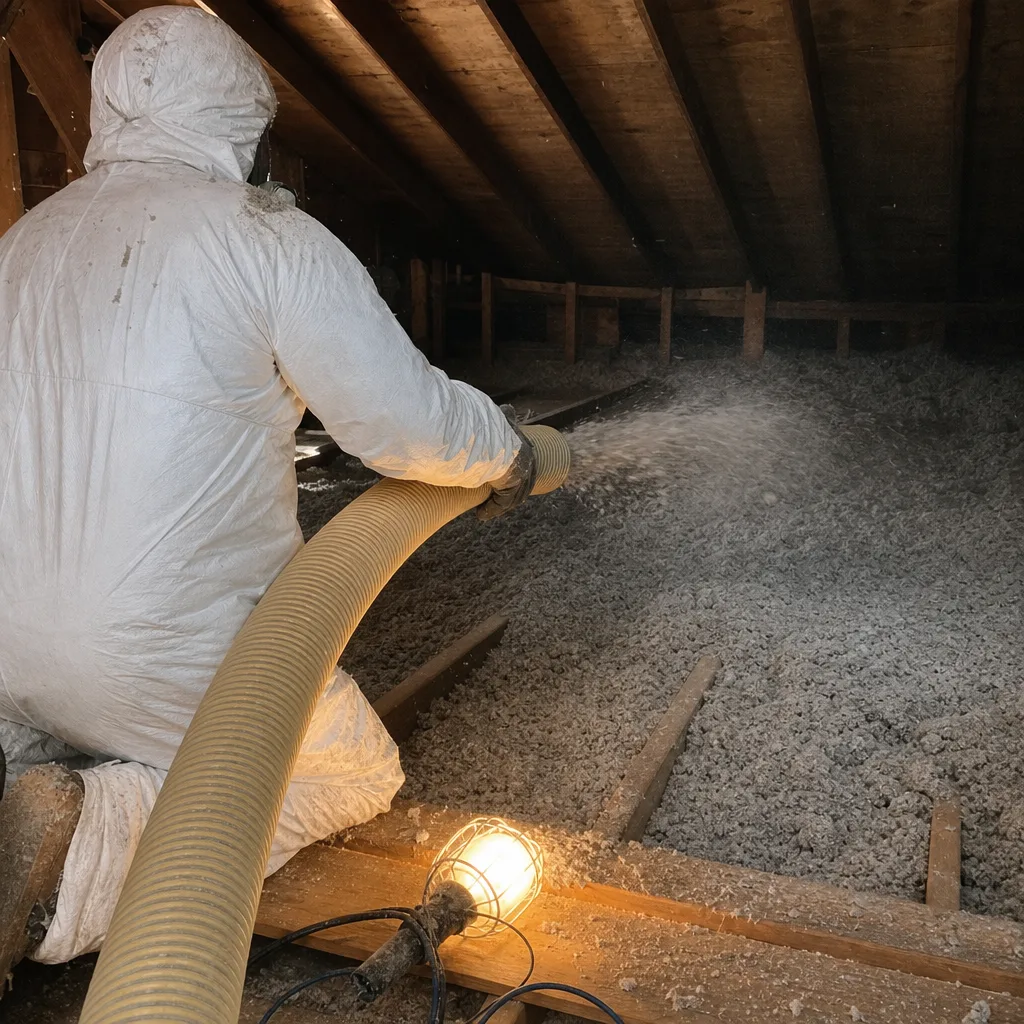
- Dust streaks on insulation batts or blown-in near the attic hatch. These dark lines are filtration staining - conditioned air carrying house dust is being forced through the insulation because the hatch perimeter, dam, or weatherstrip isn’t sealed. In Glendale’s dry climate, these streaks show up within two to three years of a poor seal job.
- Hot second-floor rooms in summer despite adequate insulation depth. When top plates and wire penetrations aren’t sealed, attic air at 140°F migrates into wall cavities through convection loops. The insulation R-value doesn’t matter if the air is moving around it, not through it.
- Ice damming or moisture staining on north-facing eaves in winter. Even in Glendale’s mild winters, unsealed bypasses let warm, humid interior air hit cold roof sheathing. The moisture condenses, and in rare freeze events it ices up. We’ve traced this pattern in homes north of Kenneth Road where attic ventilation was fine but air sealing was skipped.
- Can light housings that feel hot to the touch from below. Non-IC-rated can lights installed before 2010 often have gaps around the housing where they penetrate drywall. If the original sealant has pulled away, you’re pumping conditioned air directly into the attic every time the light is on.
- Energy bills that climbed after new insulation was added. This is the classic “insulation over air leaks” scenario. A contractor blew in fiberglass without sealing first, and now the insulation is acting as a filter while the air keeps moving. Your bill went up because the system works harder to replace what it’s losing.
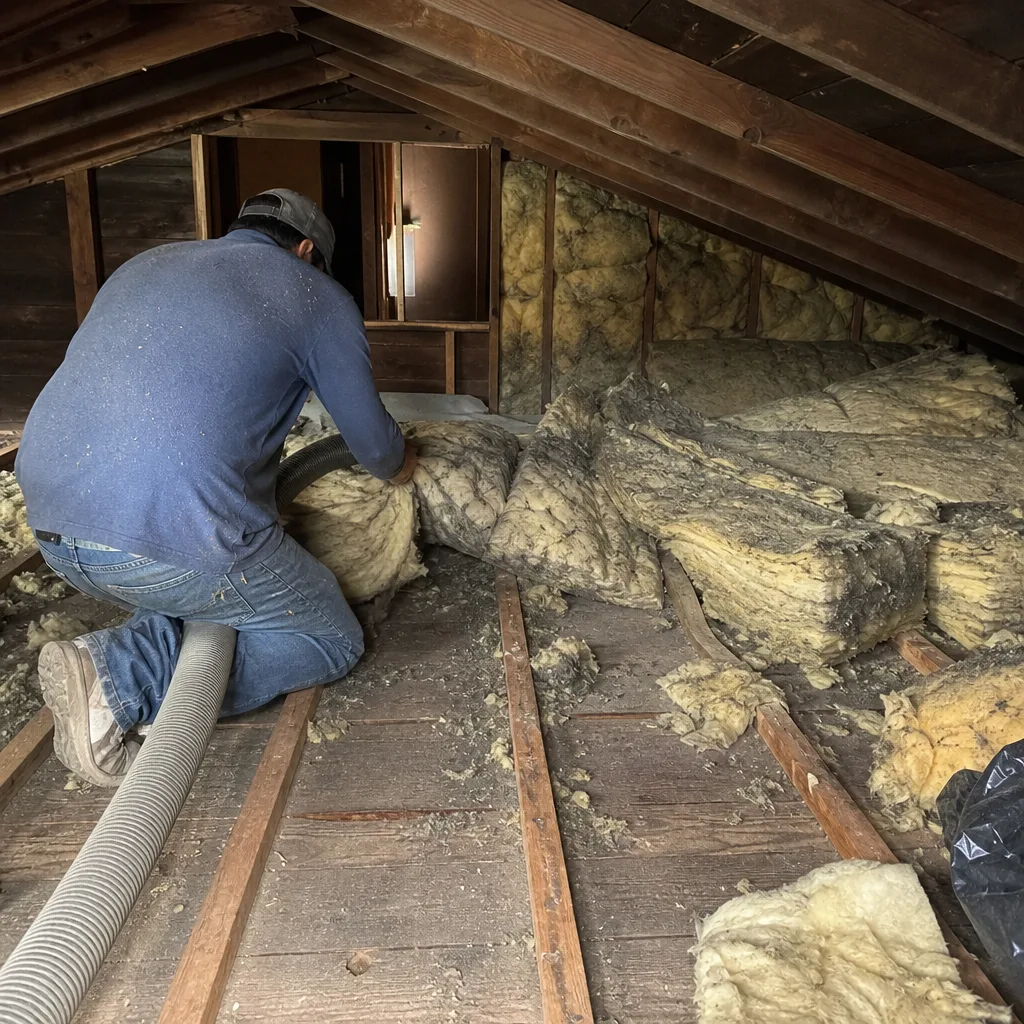 Before
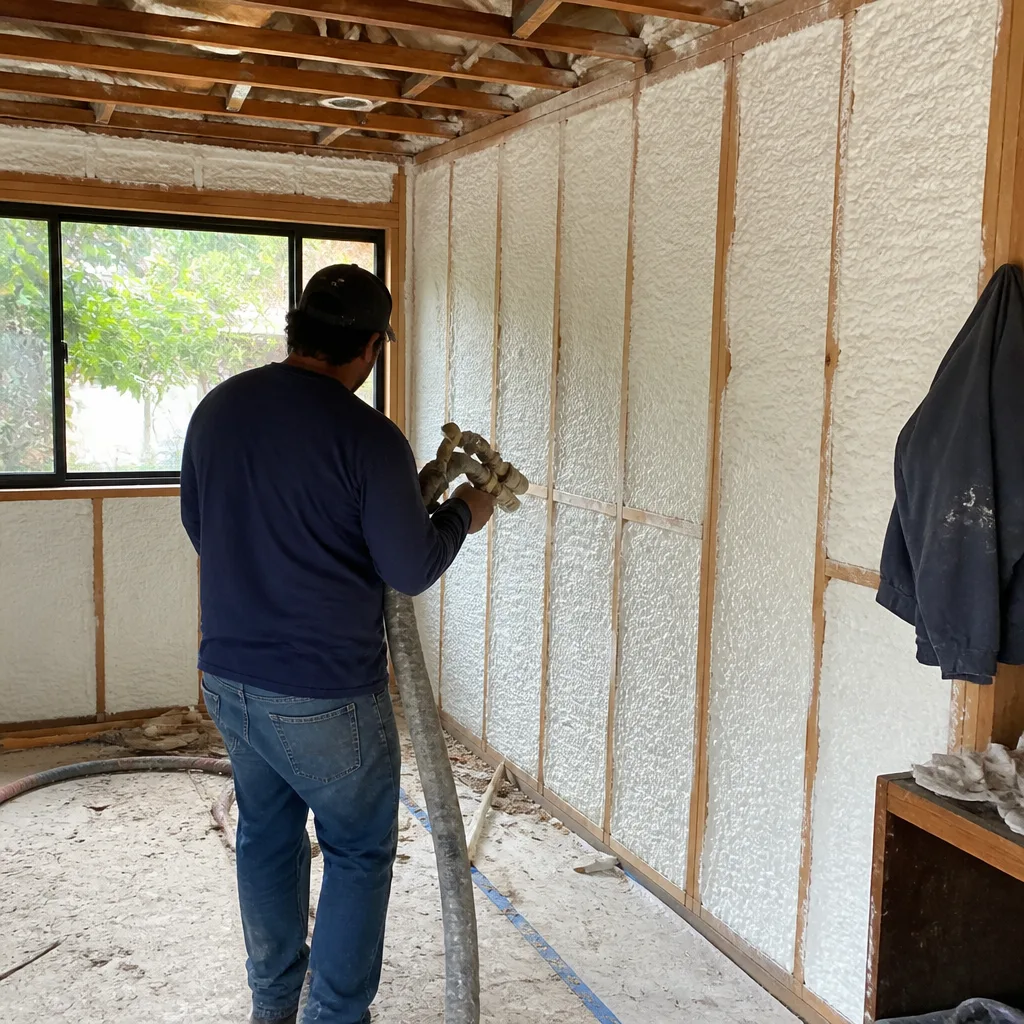 After
AfterReplacement Cost & What’s Included
Here’s how pricing breaks down for a typical Glendale home between 1,400 and 2,400 square feet:
| Component | Price Range |
|---|---|
| Attic floor air sealing (top plates, penetrations, hatch) | $1,800 - $2,600 |
| Add duct chase and soffit dam sealing | $400 - $600 |
| Add can light housing seals (per light, IC-rated covers) | $85 - $140 each |
| Blower-door test (pre- and post-) | Included |
| Documented Photo Record | Included |
What drives the range: attic accessibility (truss spacing, existing decking), quantity of penetrations to seal, and whether we need to remove poorly installed insulation first to reach the leaks. We don’t bury surprises. Under Haven Standard Clause 1, you get a flat written price before anyone lifts a tool, and that price includes the 365-Day Done Right Promise. Every job closes with a printed blower-door report showing your CFM50 reduction and a photo record of every sealed penetration.
DIY or Call Us?
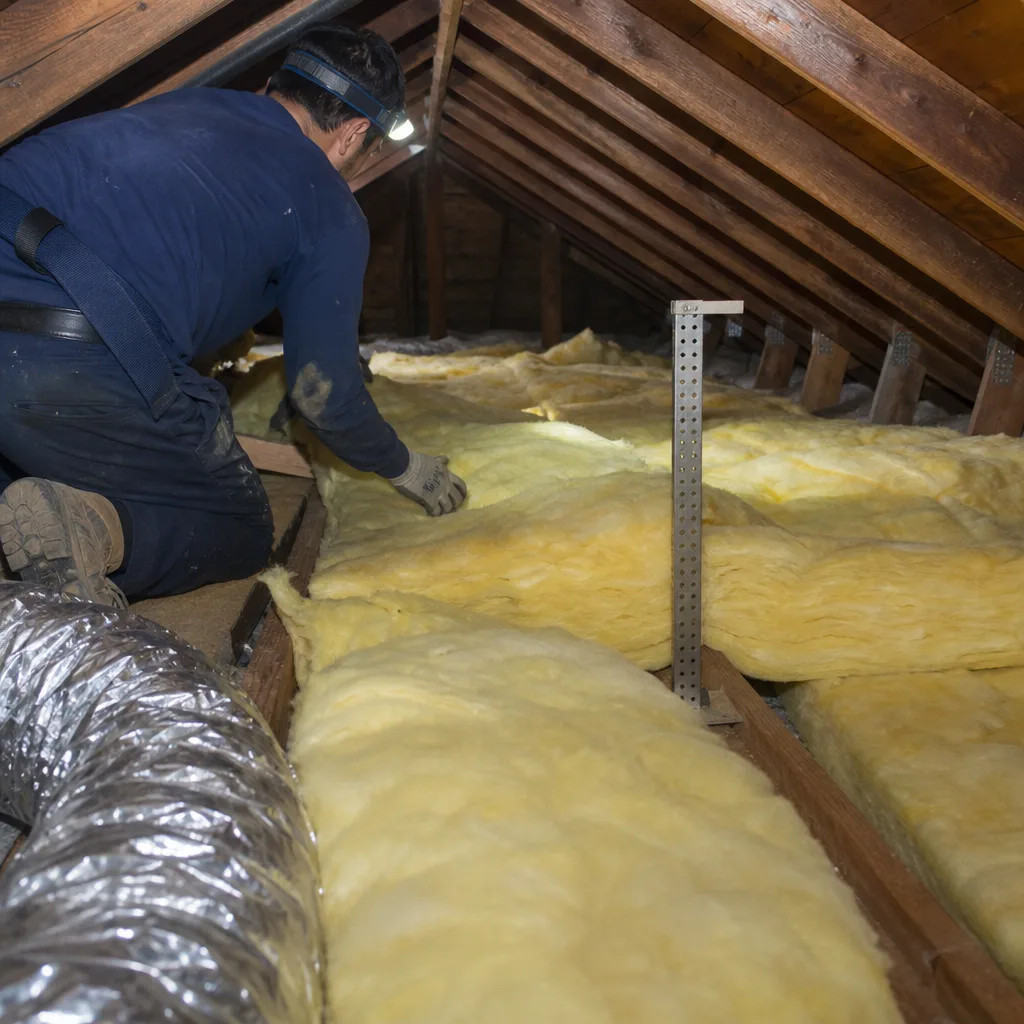
There’s a short list of things a homeowner can safely check: verify that the attic hatch has a compression weatherstrip and that the dam around the opening is caulked, look for obvious gaps around PVC vent pipes where they exit the attic floor, and confirm that bathroom fan ducts are actually connected to roof jacks (not just pointed toward them). What you find will tell you whether the original sealing was done at all.
Where DIY goes wrong: working near recessed electrical fixtures without knowing if they’re IC-rated, disturbing vermiculite or older insulation that may contain asbestos, and using the wrong sealant for the application. Standard latex caulk shrinks and cracks on top plates within a year in Glendale’s heat; fire-rated acrylic or intumescent foam is required by code for many penetrations. We also find that homeowners miss the partition wall top plates - the gaps where interior walls meet the ceiling - because they’re hidden under insulation. A blower-door test finds them in minutes; a flashlight search usually doesn’t. If your home was built between 1945 and 1985 in the Glenoaks Canyon or Chevy Chase areas, you may also have balloon framing that requires dense-pack sealing at the base of walls, not just the attic floor.
Call (213) 474-3828 and we’ll run the blower-door test, show you the leaks in real time, and give you a written price before we seal anything.
FAQs
Properly installed fire-rated acrylic sealant and polyethylene gasket tape last 20 to 30 years in Glendale’s dry climate, though homes with significant seismic movement may need touch-ups at partition wall plates after five to seven years. The sealant itself doesn’t degrade from UV or moisture here the way it might in coastal zones. We include a 365-Day Done Right Promise on all work, and our photo record lets us compare condition on any future visit.
Partial repair is common and often the right call. If the original sealing was done well but specific penetrations were missed - a new HVAC line, a rewired junction box - we spot-seal those areas and re-test. Full replacement only makes sense when the existing sealant is crumbling, was applied over dirty surfaces, or when new insulation is being installed and we need a clean substrate. We never charge for a full job when a partial fix will solve it. Call (213) 474-3828 for a free inspection and we’ll tell you which category you’re in.
A typical Glendale attic air sealing job takes four to six hours for a two-person crew, including setup, the pre-work blower-door test, sealing, and the post-work test with documentation. Larger homes in the Oakmont Country Club area or homes requiring insulation removal first may run into a second day. We schedule arrival windows, not “sometime between 8 and 5,” and you’ll get a text when the crew is en route.
We stock CertainTeed-compatible fire-rated sealants, SmartBaffle rafter vents, and MemBrain vapor retarder on every truck, along with equivalent-grade materials from Owens Corning, Knauf, and Johns Manville so we’re not locked into one supplier if CertainTeed is back-ordered. We’re an independent service provider - not affiliated with CertainTeed - and we source based on spec match and availability, not brand loyalty. If you specifically want CertainTeed-branded product, let us know when you call (213) 474-3828 and we’ll confirm stock before we arrive.
Topside Attic Insulation Glendale also stocks parts for Reflectix radiant barrier systems and can integrate Reflectix products with CertainTeed sealing on hybrid jobs where both are specified.
Written by Wes Okafor, Owner, Topside Attic Insulation Glendale at Topside Attic Insulation Glendale, serving Glendale and nearby areas.