
Rockwool Spray Foam Insulation in Glendale: What to Know First
We provide independent Rockwool spray foam insulation in Glendale, typically completing residential jobs in one to two days with a written price locked before any work starts. Most Rockwool-to-spray-foam retrofits in the area run between $3,800 and $7,200 depending on cavity depth and whether we’re treating open-cell or closed-cell. This page is for homeowners who already have Rockwool batts or boards in their walls, attic, or rim joists and need spray foam added for air sealing, moisture control, or code compliance. Call (213) 474-3828 for a free estimate with a written scope delivered same visit.
How Rockwool Products Fail - and How We Fix Them
- Comfortboard 80 and 110 sagging in vented attics. These rigid boards are dense, but in Glendale’s summer heat they can pull away from roof deck fasteners when the original adhesive degrades. We find this most often in homes near the Verdugo Mountains where daytime attic temps exceed 140°F. We remove the compromised boards, air-seal the deck with closed-cell spray foam, and reinstall with mechanical fasteners plus compatible contact adhesive rated for sustained high temperature.
- Safe’n’Sound batts settling in balloon-frame walls. These 3-inch batts were never designed to fill a full 2×4 stud bay without compression, yet we see them jammed into older Glendale ranch walls near Glenoaks Boulevard. Compressed mineral wool loses R-value and leaves gaps at the top plate. We extract the compressed material, dense-pack the cavity with open-cell spray foam to the full depth, and seal the top plate with acoustic sealant before the foam cures.
- AFB (Acoustical Fire Batts) holding moisture at rim joists. AFB is hydrophobic, but it’s not a vapor barrier. In crawl spaces with seasonal groundwater rise - common in the Chevy Chase Canyon drainage zone - we’ve found AFB saturated at the bottom edge, wicking toward sill plates. We remove the affected batts, treat the rim joist with closed-cell spray foam for both insulation and vapor management, and install a proper vapor barrier on the crawl floor if it’s missing.
- Comfortbatt R-23 misinstalled against unsealed electrical penetrations. The batts themselves are fine; the problem is that Rockwool’s friction-fit design leaves a gap around boxes and conduit that becomes a convection highway. In a 1950s Glendale home near Rossmoyne, we measured 1,200 CFM50 of leakage through electrical penetrations alone before sealing. We pull the batts back, foam-seal every penetration with a two-component kit, then reinstall or upgrade to spray foam depending on the cavity geometry.
- Rockwool cavity fill incomplete at complex framing. TJI joist bays, dropped soffits, and coffered ceiling details in newer Glendale builds near the Americana often have Rockwool that simply stops where the framer ran out of patience. We map these voids with thermal imaging, then inject open-cell spray foam to complete the thermal barrier without disturbing finished surfaces.
Our Rockwool Spray Foam Insulation Process
- 1
Call and schedule. A live person answers 24/7. We book a site visit, usually within 48 hours in Glendale.
- 2
Blower-door test and thermal scan. We pressurize the house and walk every room with a thermal camera. The pre-test number goes on your written scope. Seal the bypasses first. Insulation over air leaks is just expensive noise reduction.
- 3
Written price and material spec. We specify Rockwool removal extent, spray foam type (open-cell, closed-cell, or hybrid), and any complementary air-sealing work. No work starts without your signature on a fixed price.
- 4
Prep and protection. We isolate the work zone, set up ventilation, and document existing conditions with photos - part of the Documented Photo Record you receive.
- 5
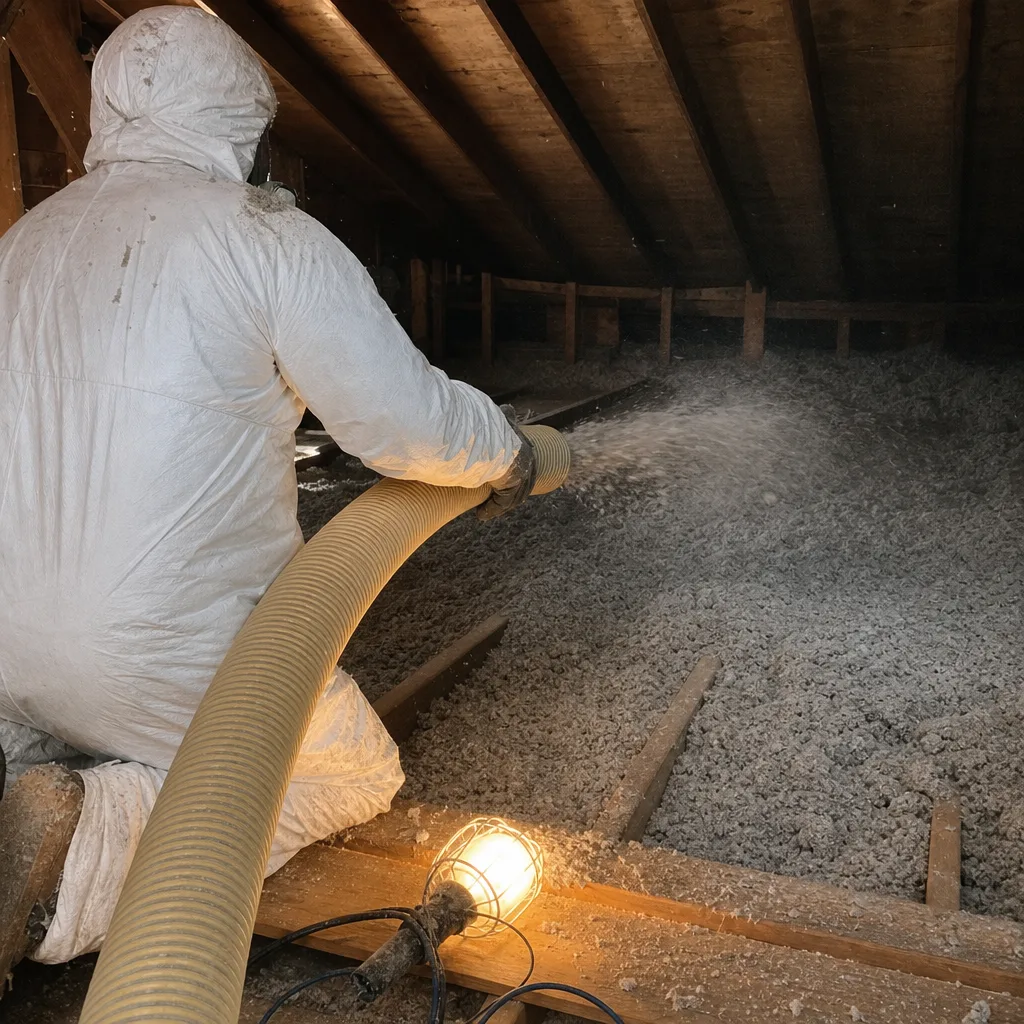
Installation and verification. Foam goes in at specified thickness and density. We run a post-installation blower-door test and provide the before-and-after CFM50 reading on a printed report.
- 6
Cleanup and warranty delivery. Crew vacuums, re-installs any disturbed finishes, and leaves you with a written warranty, photo record, and the 365-Day Done Right Promise in hand.
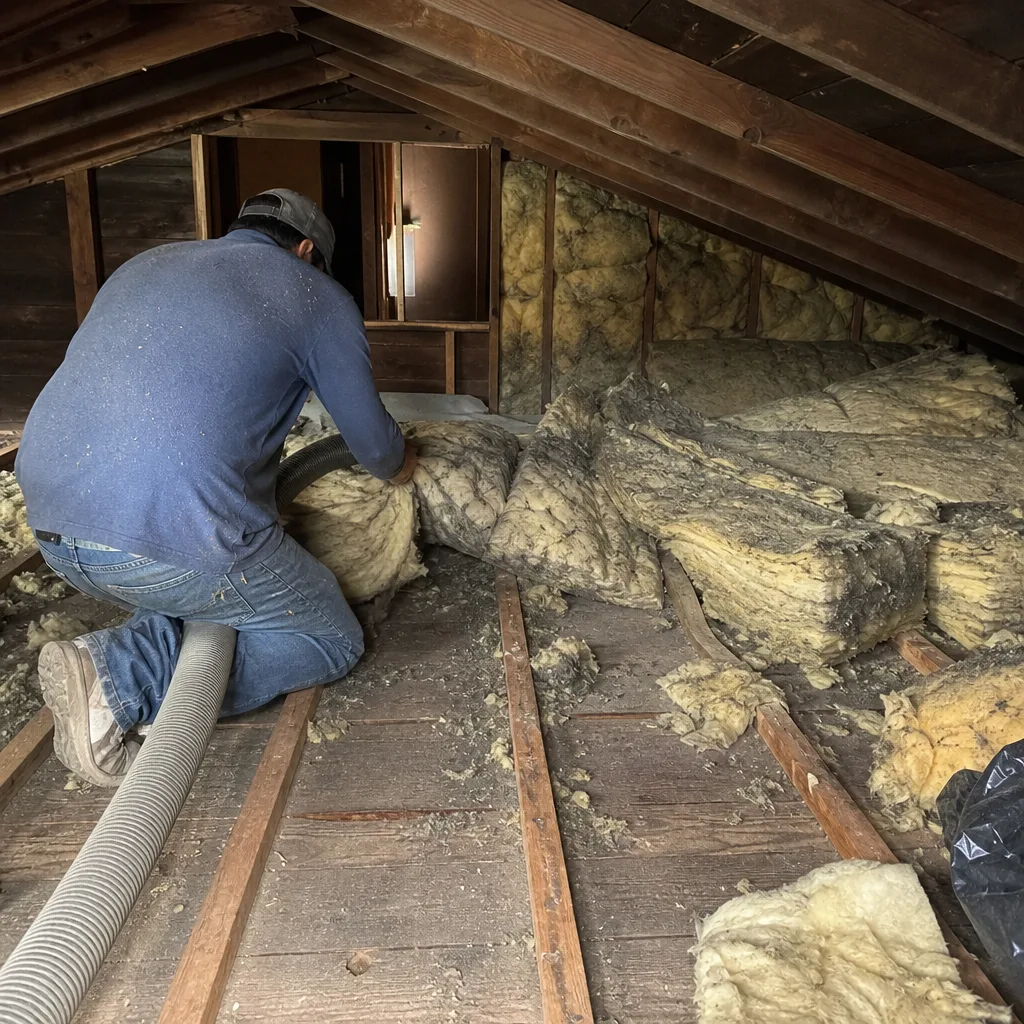 Before
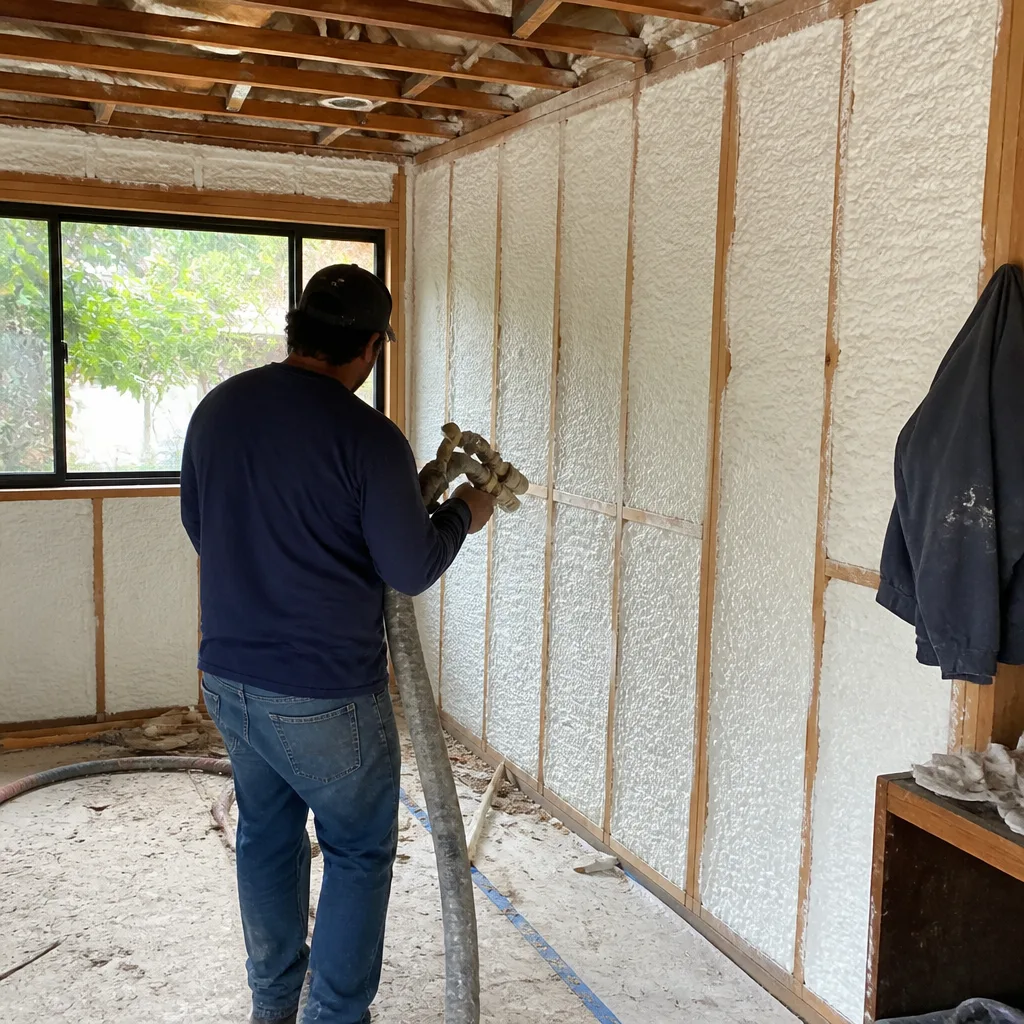 After
AfterWhat Rockwool Spray Foam Insulation Costs in Glendale
These are real ranges from jobs we’ve run in Glendale neighborhoods from Adams Hill to Sparr Heights:
| Job Type | Typical Range | What Moves the Price |
|---|---|---|
| Rim joist, closed-cell (typical 1,200 sq ft home) | $1,800 - $2,800 | Crawl access height, existing Rockwool removal volume |
| Attic roof deck, open-cell (complete Rockwool replacement) | $4,200 - $6,500 | Deck area, pitch complexity, need for ignition barrier |
| Wall cavity retrofit, open-cell (balloon-frame, partial) | $3,800 - $5,400 | Number of stories, interior vs exterior access, plaster repair |
| Garage ceiling, closed-cell (bonus room above) | $2,400 - $3,600 | Garage size, ductwork relocation, fire-rated assembly requirements |
Factors that push toward the high end: homes built before 1960 with balloon framing, active rodent damage requiring cleaning before foam, and jobs needing same-day turnaround. We also offer a Free Second Opinion on any written estimate you’ve already received - bring us the scope and we’ll read it with you. Call (213) 474-3828 for an exact quote; estimates are free and the price you get is the price you pay.
Why Glendale Homeowners Call Topside Attic Insulation Glendale for Rockwool Work
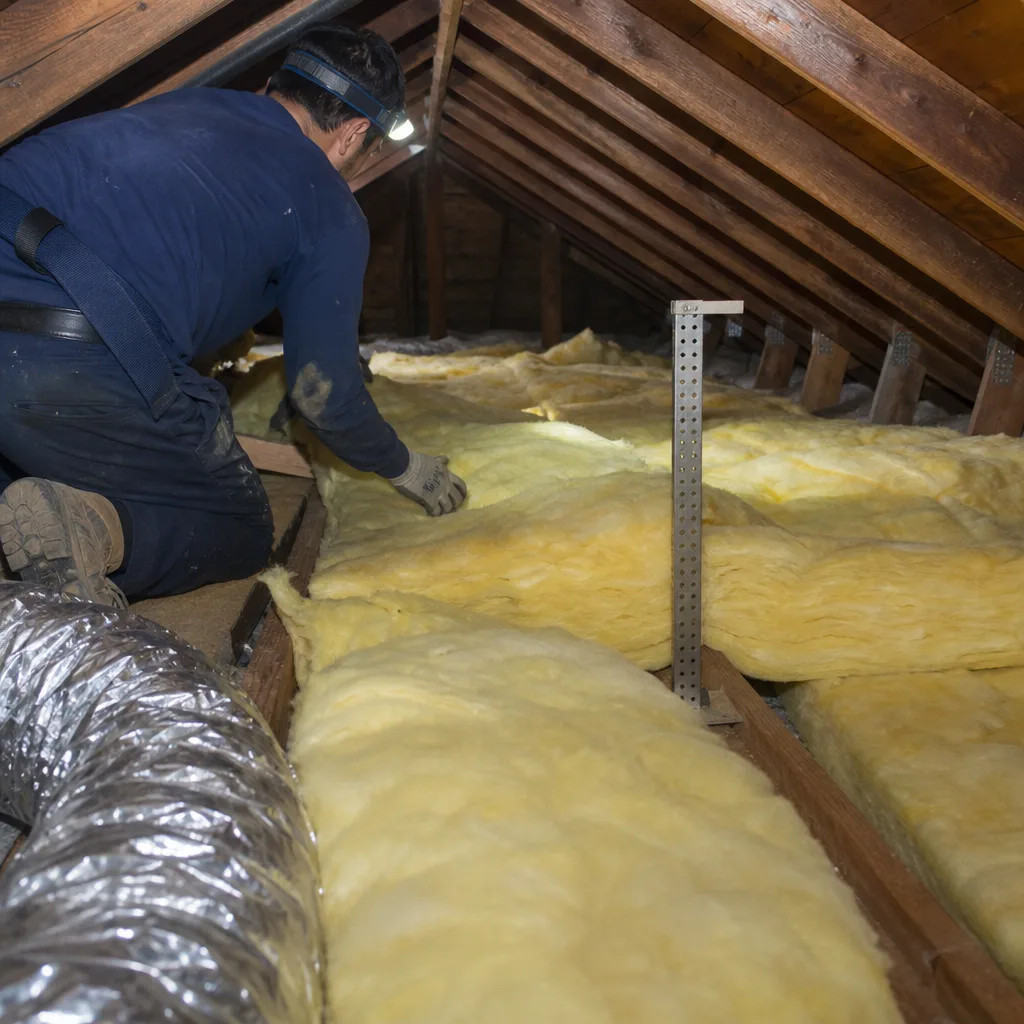
We’ve been running jobs across Glendale since 2016, including older ranch-style homes near the Verdugo Woodlands where dense-pack cellulose in balloon-frame walls is still sometimes the right call - but when spray foam is the better tool, we don’t default to what’s familiar. Every applicable job gets before-and-after blower-door numbers published in the final report. Our technicians are background-checked, uniformed, and trained on Rockwool’s specific product lines, not just generic mineral wool. We also service Reflectix and other brands, so if your home has mixed insulation systems, we won’t force a single-vendor solution. Under Haven Standard: flat price, written scope, written warranty before anyone lifts a tool.
FAQs
Rockwool’s product warranty covers manufacturing defects in the original material, not installation modifications you make later. As an independent Rockwool service provider, we document the condition of existing Rockwool before any modification so you have a dated record if a defect claim ever arises. Our spray foam work carries its own 365-Day Done Right Promise. Call (213) 474-3828 if you want us to review your original purchase documentation.
Most site visits are scheduled within 48 hours, and standard Rockwool-to-spray-foam retrofits are completed in one to two business days once the written scope is signed. Same-day emergency service is available for active water intrusion where Rockwool saturation threatens structural members. Call (213) 474-3828 to check current availability; a live person answers 24/7.
Spot repair of Rockwool makes sense when the material is dry, properly placed, and only compromised in a small area - typically under $800. Full replacement with spray foam is the better investment when you’re dealing with widespread settling, moisture damage, or air leakage that Rockwool’s friction-fit design can’t resolve. We quote both paths when both are viable. Call (213) 474-3828 for a free estimate with both options priced out.
We use Rockwool-certified fasteners and adhesives when reinstalling Comfortboard or completing a hybrid system. For air-sealing transitions between Rockwool and spray foam, we source compatible sealants from the same suppliers that serve commercial envelope contractors in Los Angeles County. We never mix materials that aren’t chemically compatible, and we document every product lot on your written scope.
Open-cell spray foam at 5.5 inches in a 2×6 cavity delivers approximately R-19, comparable to Rockwool Comfortbatt R-21 when compression is factored. Closed-cell at 3 inches yields about R-19 as well, with the added benefit of vapor blocking. We specify the exact thickness and density on your written scope to meet or exceed the existing thermal performance, verified by the post-installation blower-door test. Call (213) 474-3828 to schedule a thermal assessment.
Written by Wes Okafor, Owner, Topside Attic Insulation Glendale at Topside Attic Insulation Glendale, serving Glendale and nearby areas.