
Johns Manville Crawl Space Encapsulation: The Glendale Owner’s Guide
We stock and install Johns Manville-compatible crawl space encapsulation systems in Glendale, with most complete jobs running $3,800-$7,200 depending on crawl square footage, existing moisture damage, and whether the foundation walls need rigid foam before the vapor barrier goes down. Same-day assessments are available, and we carry JM-compatible 10-mil and 15-mil reinforced polyethylene, seam tape, and closed-cell spray foam for rim joist sealing on our trucks. Most Glendale homeowners discover their encapsulation is failing when they notice a musty smell returning after months of absence, or when their dehumidifier starts running continuously in a crawl space that used to stay dry.
Which Johns Manville Models This Applies To
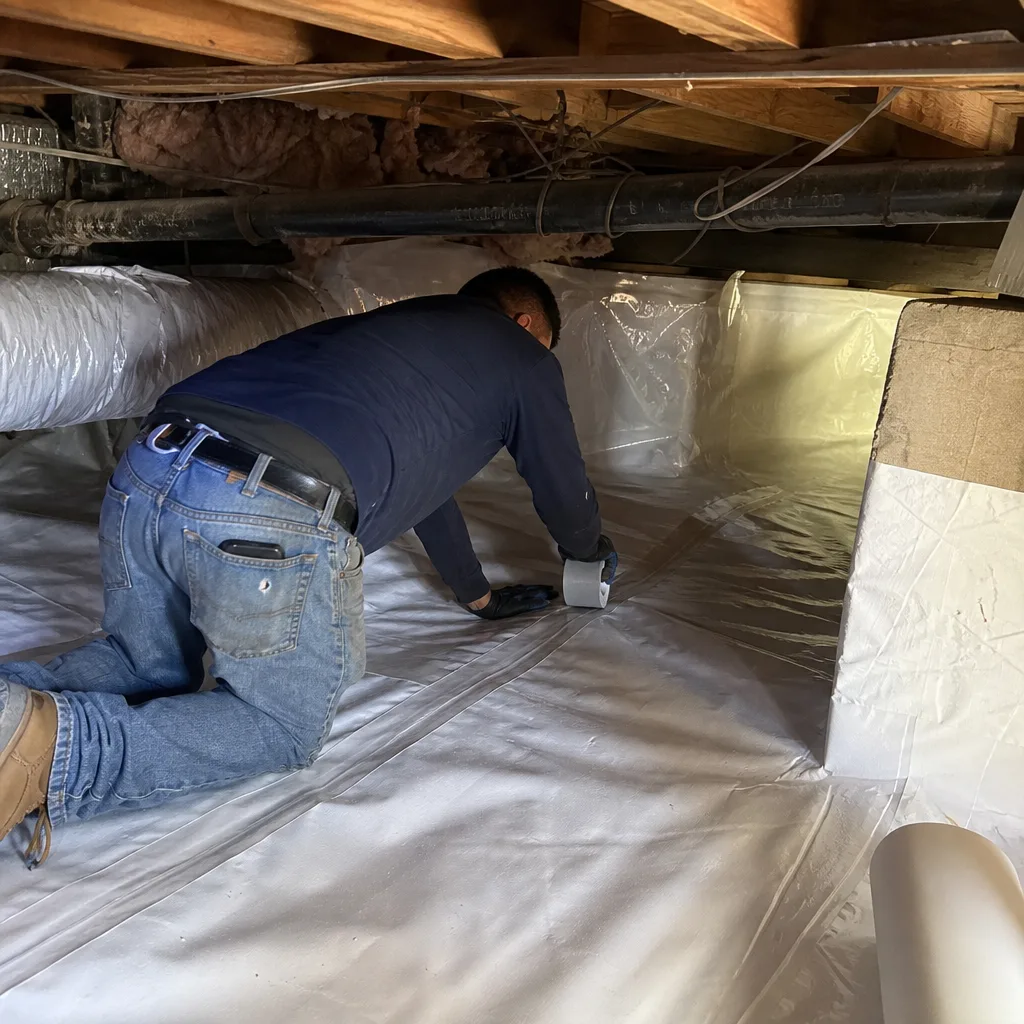
Johns Manville does not brand crawl space encapsulation as a single “system” with a model number the way they do HVAC components. Instead, look for JM-labeled 10-mil or 15-mil CrossFilm-reinforced polyethylene vapor barriers, JM seam tape (typically white or silver backing with the JM logo), and any rigid polyiso or closed-cell spray foam installed as part of a JM-specified building envelope package. The critical identifier is the mil rating and the CrossFilm reinforcement pattern, a grid of high-density polyethylene strands laminated between poly layers that resists puncture during installation over rocky or debris-heavy crawl floors.
We also stock Reflectix and other brands for homeowners who need a compatible thermal break but want to compare specifications. For OEM-versus-aftermarket on Johns Manville vapor barriers specifically: the JM CrossFilm carries a 25-year rated lifespan in dry conditions, but in Glendale’s clay-heavy soils near the Verdugo foothills, we’ve seen non-reinforced aftermarket 6-mil barriers fail in under four years from abrasion and rodent traffic. We stock JM-spec 15-mil reinforced barrier and a commercial-grade 20-mil equivalent that matches the CrossFilm puncture resistance at a lower per-square-foot cost. The compatibility gotcha is seam tape: JM’s acrylic-based tape bonds aggressively to JM barrier film, but some generic tapes use a different adhesive chemistry that releases in sustained humidity above 70% RH. We verify tape-barrier compatibility on every job.
Signs Your Johns Manville Crawl Space Encapsulation Is Failing
- Musty odors returning upstairs. When the vapor barrier separates at seams or tears at penetrations, soil moisture re-enters the crawl air. That moisture migrates through floor joist bays by stack effect, especially in Glendale’s older ranch homes with minimal subfloor air sealing.
- Dehumidifier running nonstop or failing to reach setpoint. A properly sealed crawl space should hold 50-55% RH with intermittent dehumidifier cycling. Continuous operation means the envelope is leaking faster than the unit can extract.
- Visible condensation on ductwork or insulation. This indicates the dew point in the crawl space has risen above the surface temperature of your HVAC ducts. In Glendale, this typically happens when the vapor barrier has pulled away from foundation walls, exposing the cool block to warm, humid crawl air.
- White or gray powder on the barrier surface. This is efflorescence, mineral salts left behind as moisture wicks through concrete and evaporates. It means moisture is finding a path around or through your barrier system, often at the wall-floor joint.
- Sagging or pooling on the barrier. Standing water on top of the vapor barrier means either a plumbing leak above or, more commonly, groundwater intrusion from a failed perimeter drainage detail. The barrier is doing its job of blocking soil moisture, but hydrostatic pressure is finding another entry.
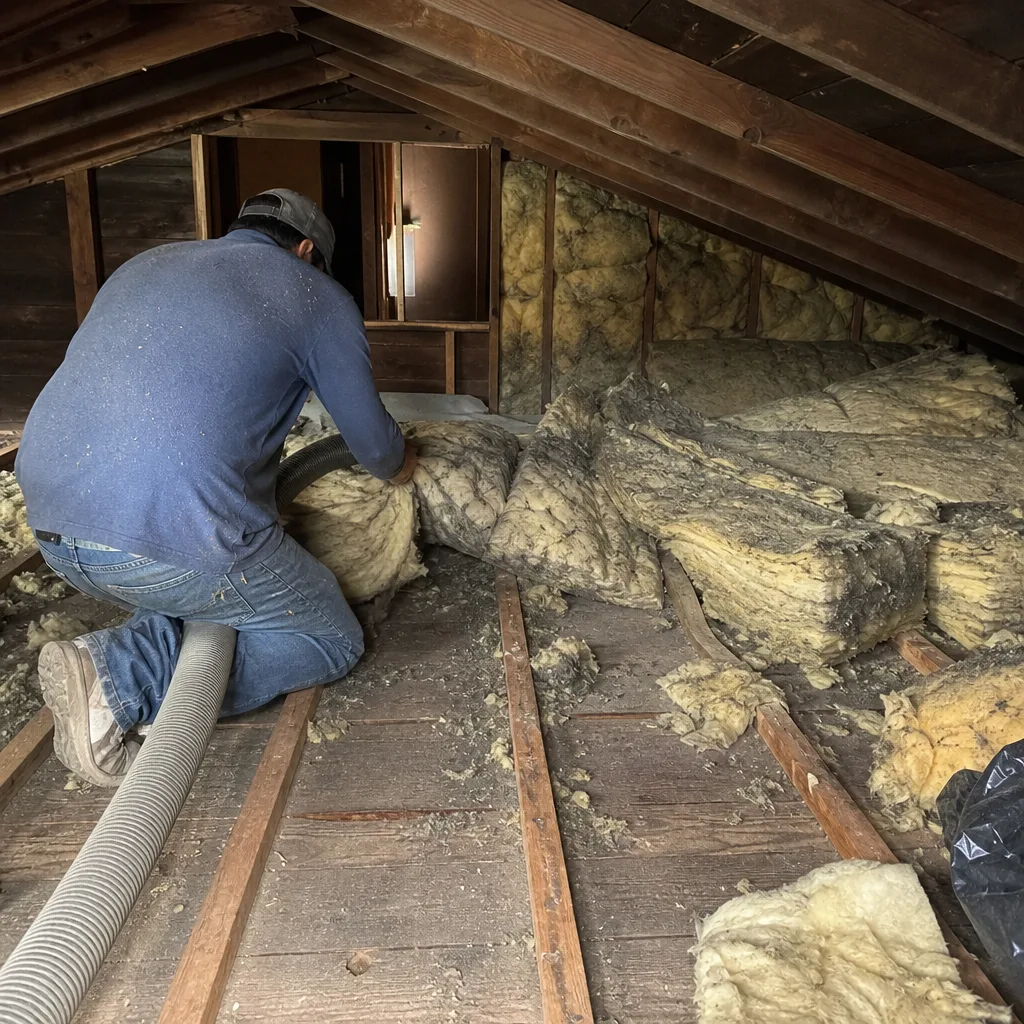 Before
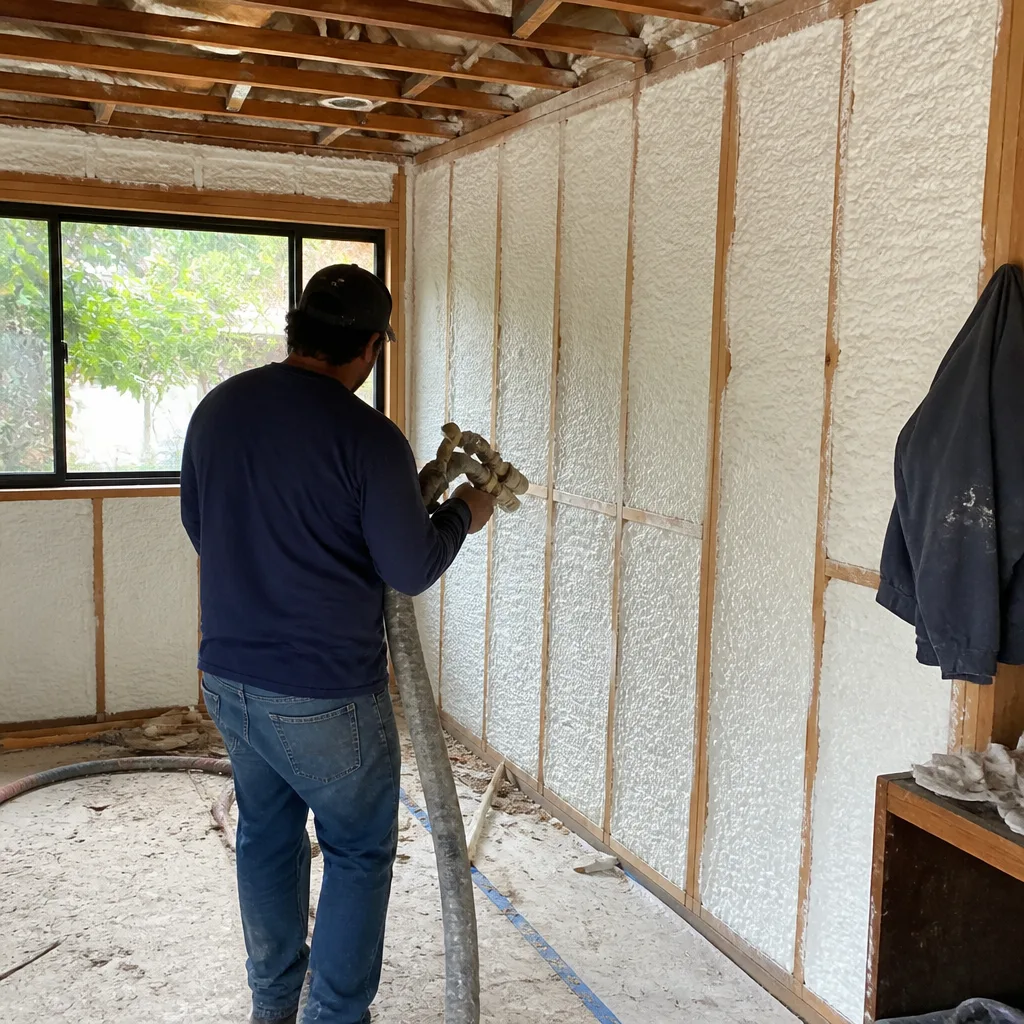 After
AfterReplacement Cost & What’s Included
Complete Johns Manville-compatible crawl space encapsulation in Glendale typically runs $3,800 for a small single-story crawl (800-1,000 sq ft) with straightforward access and no active water intrusion, up to $7,200 for larger footprints with foundation wall insulation, dehumidifier hardwiring, and mold remediation prep. The price breaks down as follows:
- Vapor barrier material (15-mil CrossFilm-compatible reinforced polyethylene): $1.10-$1.60/sq ft installed
- Seam tape, mechanical fasteners, and termination bars: $280-$450
- Rim joist air sealing with closed-cell spray foam: $4.50-$7.00/linear foot
- Foundation wall rigid foam (if required): $2.80-$4.20/sq ft
- Dehumidifier installation and condensate pump: $1,200-$2,400
- Labor, access prep, and debris removal: $1,400-$2,800
What drives the range is access height (crawls under 18 inches require more labor), existing damage requiring subfloor or joist repair, and whether we need to install a sump pump or French drain before encapsulating. Every job gets a Written Price Before Any Work Starts under Haven Standard Clause 1, and all encapsulation work carries our 365-Day Done Right Promise. We also provide a Documented Photo Record showing pre-condition, barrier installation, and post-completion readings.
DIY or Call Us?
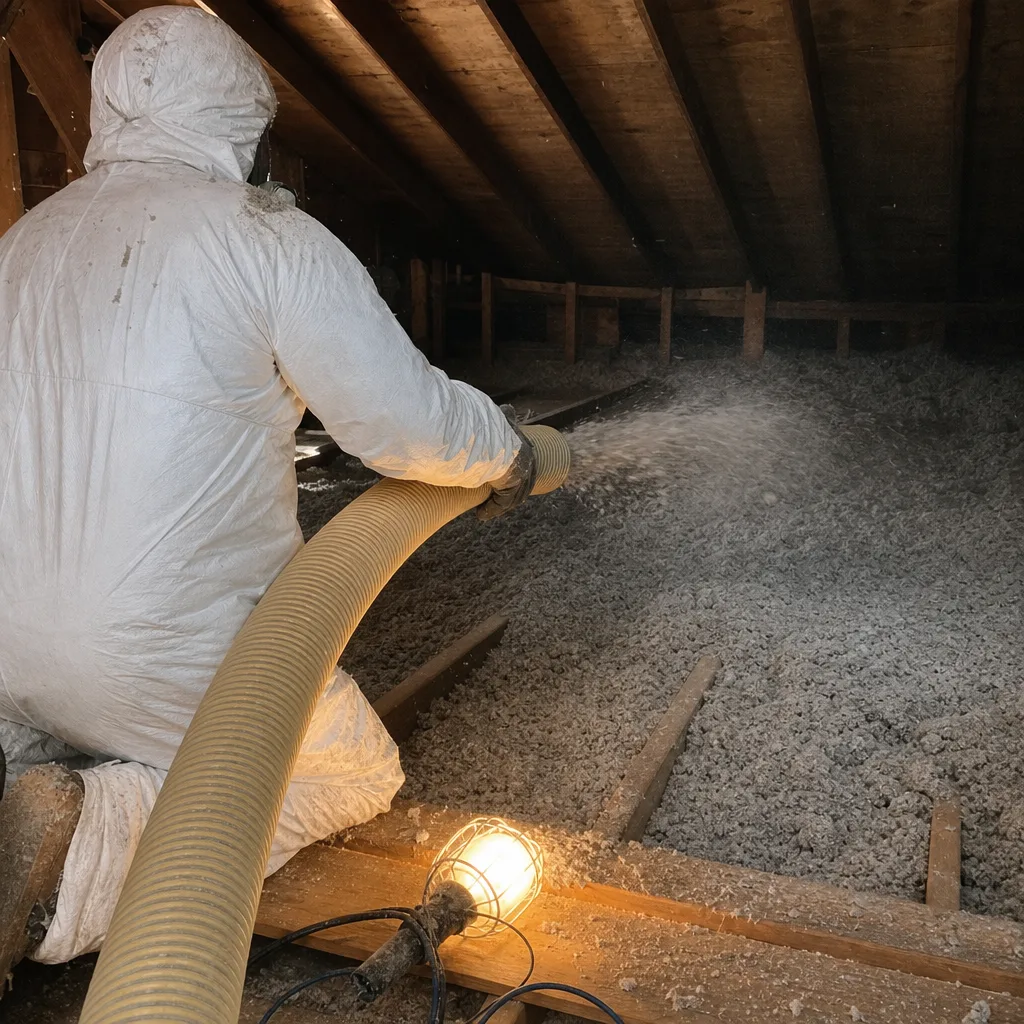
There’s a safe middle ground here. A homeowner can verify the obvious: check the dehumidifier reservoir, look for standing water, and trace musty smells to specific crawl vents or access points. You can also photograph any visible barrier damage for us to review.
Where DIY goes wrong is in the details that determine whether the system actually works. Seaming a vapor barrier in a confined space with proper overlap (minimum 12 inches per JM spec), sealing around plumbing penetrations with compatible tape, and achieving continuous adhesion to foundation walls all require experience and the right materials. More critically, most Glendale crawls have some degree of active air leakage through rim joists and sill plates. Installing a perfect vapor barrier over unsealed bypasses traps moisture against wood without stopping the air that carries it. Seal the bypasses first. Insulation over air leaks is just expensive noise reduction.
We’re not affiliated with Johns Manville. We’re an independently owned and operated contractor who sources JM-compatible materials alongside Owens Corning, Knauf, and others. Call (213) 474-3828 for a free assessment and written price.
FAQs
A properly installed 15-mil reinforced vapor barrier typically lasts 15-20 years in Glendale’s climate, though the clay soils and occasional seismic settling near the Verdugo fault can accelerate abrasion at contact points. We inspect barrier condition and re-tape seams as part of any service call. Call (213) 474-3828 if you’re unsure of your install date.
Small punctures and seam separations under three linear feet can be patched with compatible reinforced tape and a pressure-rolled bond. Replacement is the better call when you have multiple tears, widespread adhesive failure, or barrier material that has become brittle. We assess this on every visit and will tell you straight if a patch is sufficient.
Most residential crawl spaces in Glendale take one to two days: one day for access prep, debris removal, and air sealing, and a second day for barrier installation, seam welding, and dehumidifier commissioning. Larger or restricted-access crawls may extend to three days. We provide a written schedule with your price.
We carry 10-mil and 15-mil reinforced polyethylene vapor barrier, JM-compatible seam tape, and closed-cell spray foam for rim joist sealing on every service vehicle. For jobs requiring rigid foam board or specialized dehumidifier sizing, we pull materials for next-day installation after confirming measurements on site.
Written by Wes Okafor, Owner, Topside Attic Insulation Glendale at Topside Attic Insulation Glendale, serving Glendale and nearby areas.