
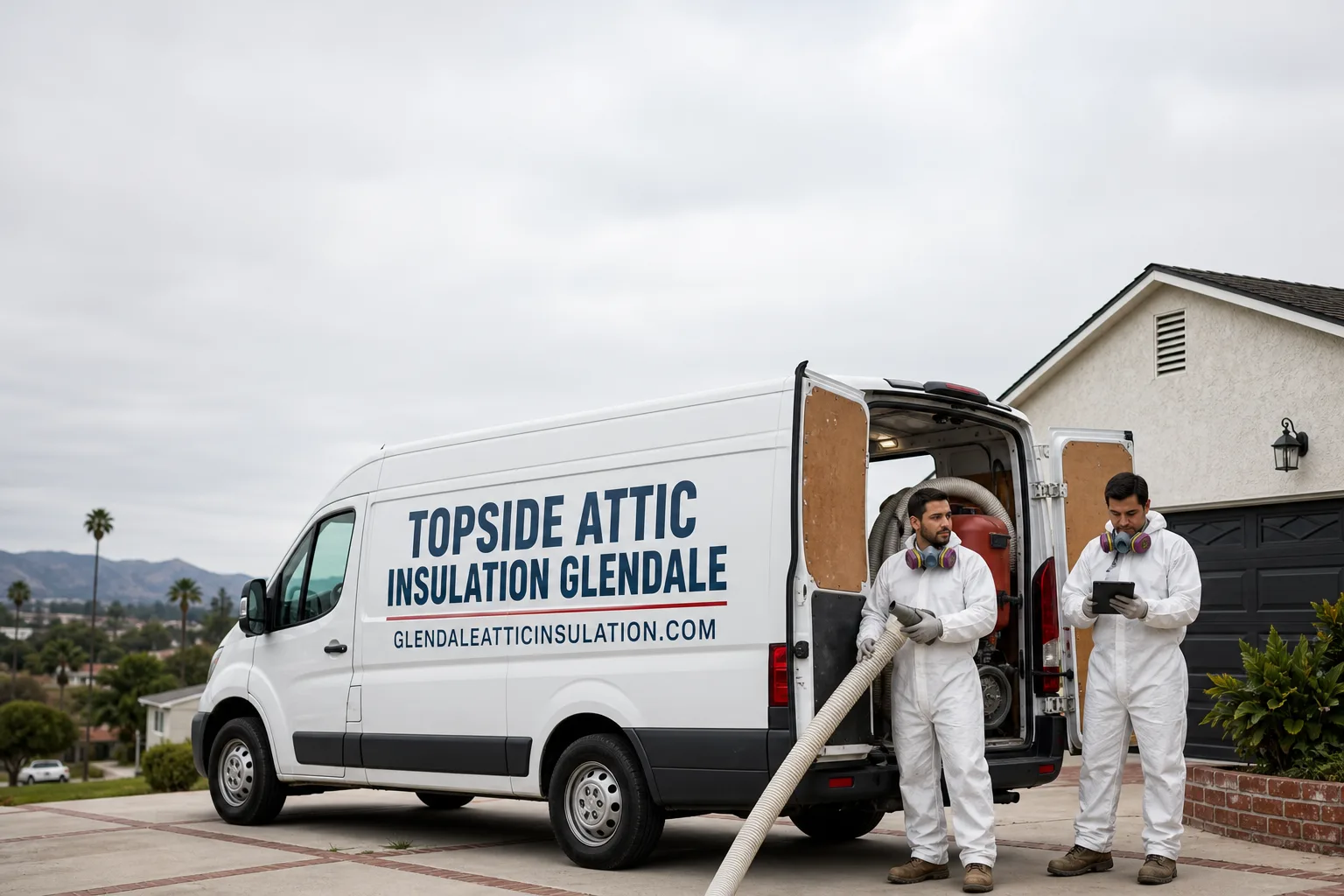
How Much Does Spray Foam Insulation Cost in Glendale?
Spray foam insulation in Glendale, CA typically costs between $1.50 and $4.50 per square foot installed, depending on foam type, application area, and the condition of the space being treated. Most Glendale homeowners spend between $2,200 and $7,800 for a full attic or crawl space application, with open-cell foam jobs running lower and closed-cell projects – especially in hillside homes that need vapor control – sitting at the upper end. At Envelope Insulation Co., every our Spray Foam Insulation services job starts with a written price before any work begins, so you know the exact number before a single technician picks up a spray gun.
Spray Foam Insulation Cost Breakdown (2026)
The table below reflects current installed pricing in the Glendale market. “Installed” means material and labor together – not a material-only figure you’ll see on some manufacturer sites.
| Application | Foam Type | Typical Range (Installed) | Notes |
|---|---|---|---|
| Attic floor (per sq ft) | Open-cell (0.5 lb) | $1.50 – $2.25 | Common in older Glendale bungalows with vented attics |
| Attic floor (per sq ft) | Closed-cell (2 lb) | $3.00 – $4.50 | Used where moisture intrusion or structural reinforcement matters |
| Attic roof deck / rafters (per sq ft) | Closed-cell | $3.50 – $5.50 | Converts vented to unvented (conditioned) attic; common in Montrose and La Crescenta homes |
| Crawl space (per sq ft) | Closed-cell | $2.75 – $4.25 | Glendale hillside homes with pier-and-beam foundations benefit most |
| Rim joists and band joists (per lin ft) | Closed-cell | $3.00 – $6.00 | High-leverage air-sealing point; often missed by competing bids |
| Wall cavities – new construction (per sq ft) | Open-cell or closed-cell | $1.75 – $3.50 | Easier access keeps cost lower than retrofit wall work |
| Wall cavities – retrofit (per sq ft) | Closed-cell | $4.00 – $7.00 | Requires drill-and-fill or drywall removal; adds labor significantly |
| Garage ceiling (per sq ft) | Open-cell or closed-cell | $2.00 – $3.75 | Common in Glendale detached garages converted to ADUs |
| Whole-house attic (1,200-1,800 sq ft home) | Open-cell | $2,200 – $4,100 | Full project estimate, not per-sq-ft |
| Whole-house attic (1,200-1,800 sq ft home) | Closed-cell | $4,500 – $7,800 | Full project estimate, not per-sq-ft |
What Pushes the Number Up or Down
The biggest single variable is foam type. Open-cell foam – a softer, vapor-permeable product that expands to roughly 100 times its liquid volume – costs significantly less per board foot than closed-cell, which is denser, vapor-impermeable, and adds meaningful structural rigidity to roof decks and rim joists. In Glendale’s climate, which stays drier than coastal LA most of the year but sees enough winter condensation in hillside microclimates to matter, closed-cell is often the right call for crawl spaces and unvented roof deck applications even though it costs more up front.
Access is the second big driver. Attics in Glendale’s Craftsman-era homes in neighborhoods like Adams Hill and Grandview typically have low pitches and limited clearance, which slows a crew down and raises labor cost. Homes in the Verdugo Woodlands and Chevy Chase Canyon with steeper rooflines and better access tend to come in at the lower end of labor estimates for the same square footage.
Existing conditions matter too. Spray foam cannot go over old, contaminated, or rodent-damaged insulation – that material has to be removed first. Insulation removal in Glendale runs $1.00 to $2.50 per square foot depending on depth and contamination, and it should always be itemized separately in any written estimate you receive. If a competing bid bundles removal and replacement into a single line, ask them to break it out.
Finally, air sealing scope affects total cost more than most homeowners expect. Under the Haven Standard that guides every Envelope Insulation Co. job, air sealing of top plates, can lights, and penetrations is completed before any insulation is added – never skipped, never treated as an optional line item. That sequence protects the foam’s performance and keeps your blower-door numbers honest. Some contractors omit it entirely to show a lower bid; the savings disappear in the first utility bill cycle.
What Affects Spray Foam Insulation Pricing in Glendale
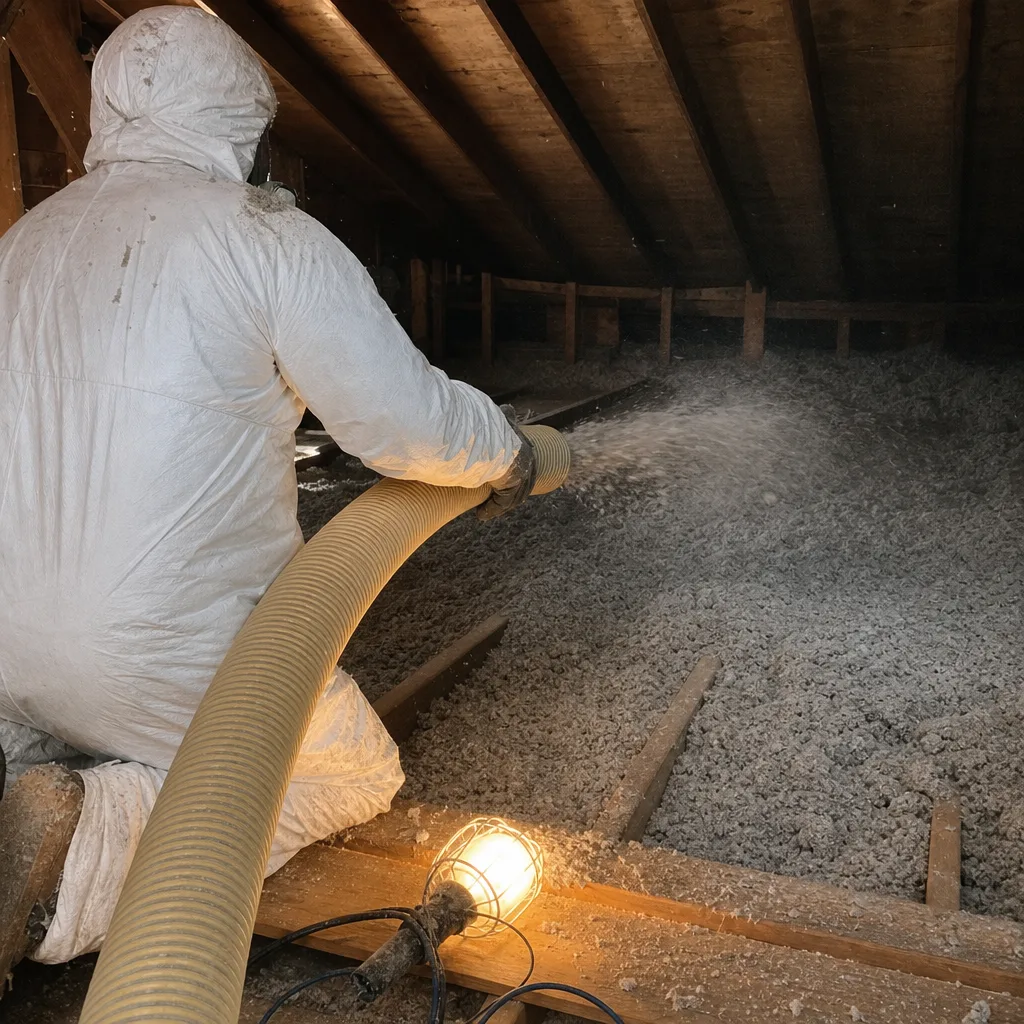
- Foam type (open-cell vs. closed-cell): Open-cell (0.5 lb density) runs $1.50-$2.25 per square foot installed; closed-cell (2 lb density) runs $3.00-$5.50 depending on application. The right choice depends on moisture exposure, the R-value target you need, and whether vapor retardation matters in that specific assembly. For Glendale attic floors in vented configurations, open-cell often works well. For roof decks and crawl spaces, closed-cell earns its premium.
- Square footage and geometry: A simple rectangular attic floor in a 1,500 sq ft Glendale home is priced differently than the same square footage broken up by HVAC equipment, chase walls, and low-clearance sections over garage bays. Geometry adds crew time, and crew time is a direct cost driver.
- Existing insulation removal: If the attic currently holds old blown fiberglass or cellulose – especially material that has been compressed by foot traffic or contaminated by rodents – it has to come out before spray foam goes in. Many homes in Glendale’s pre-war residential stock in Mariposa and Pacific-Edison have insulation that was installed decades ago and has lost most of its effective R-value. Budget $1.00-$2.50 per square foot for removal as a separate line item.
- Local climate and thermal bridging: Glendale sits inland from the coast in a basin that produces some of the highest summer attic temperatures in LA County – readings above 140°F on the roof deck are not unusual in July. That thermal load makes air-sealing quality critical; foam that bridges a gap in the building envelope outperforms fiberglass or cellulose at the same R-value because it eliminates convective bypass (the air movement that carries heat around batts rather than through them). Closed-cell also adds meaningful R-value per inch – roughly R-6 to R-7 per inch versus R-3.5 to R-3.8 for open-cell – which matters when attic clearance limits total depth.
- Permit requirements: City of Glendale Building and Safety requires a permit for spray foam applications that alter the thermal envelope, including roof deck conversions to unvented assemblies. Permit fees in Glendale currently run $180 to $350 for residential insulation work, depending on project valuation. A contractor who tells you spray foam in an attic doesn’t need a permit in Glendale should be asked to put that in writing – because the liability if an unpermitted assembly fails a future home inspection or insurance claim lands on the homeowner.
- ADU and garage conversion work: Glendale has one of the highest ADU application rates in the San Fernando Valley area, and detached garage conversions are a common project type. Spray foam is frequently specified for garage ceiling and wall assemblies because it satisfies both the thermal and air-barrier requirements of the California Energy Code (Title 24) in a single product. These projects typically run $2,000 to $5,500 for a standard two-car garage conversion footprint, with cost varying on whether walls are open-stud or finished.
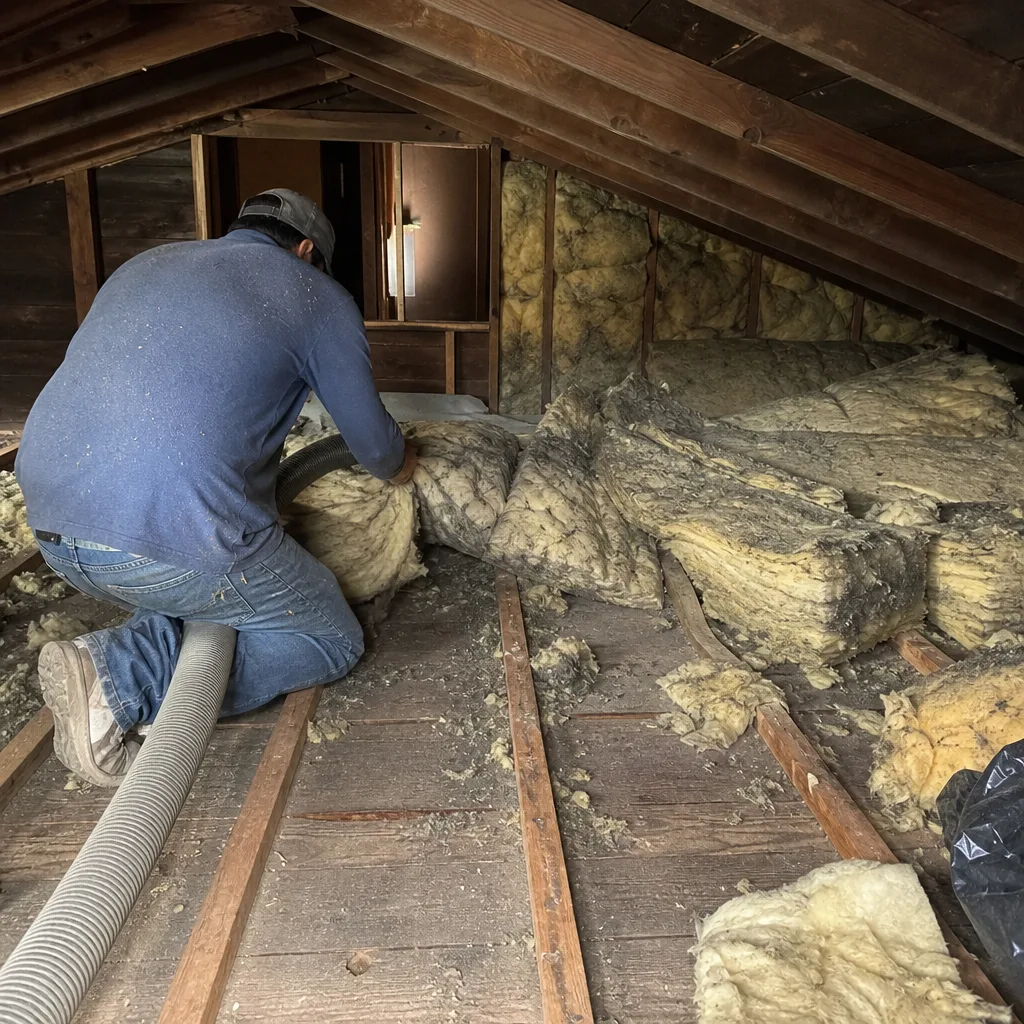 Before
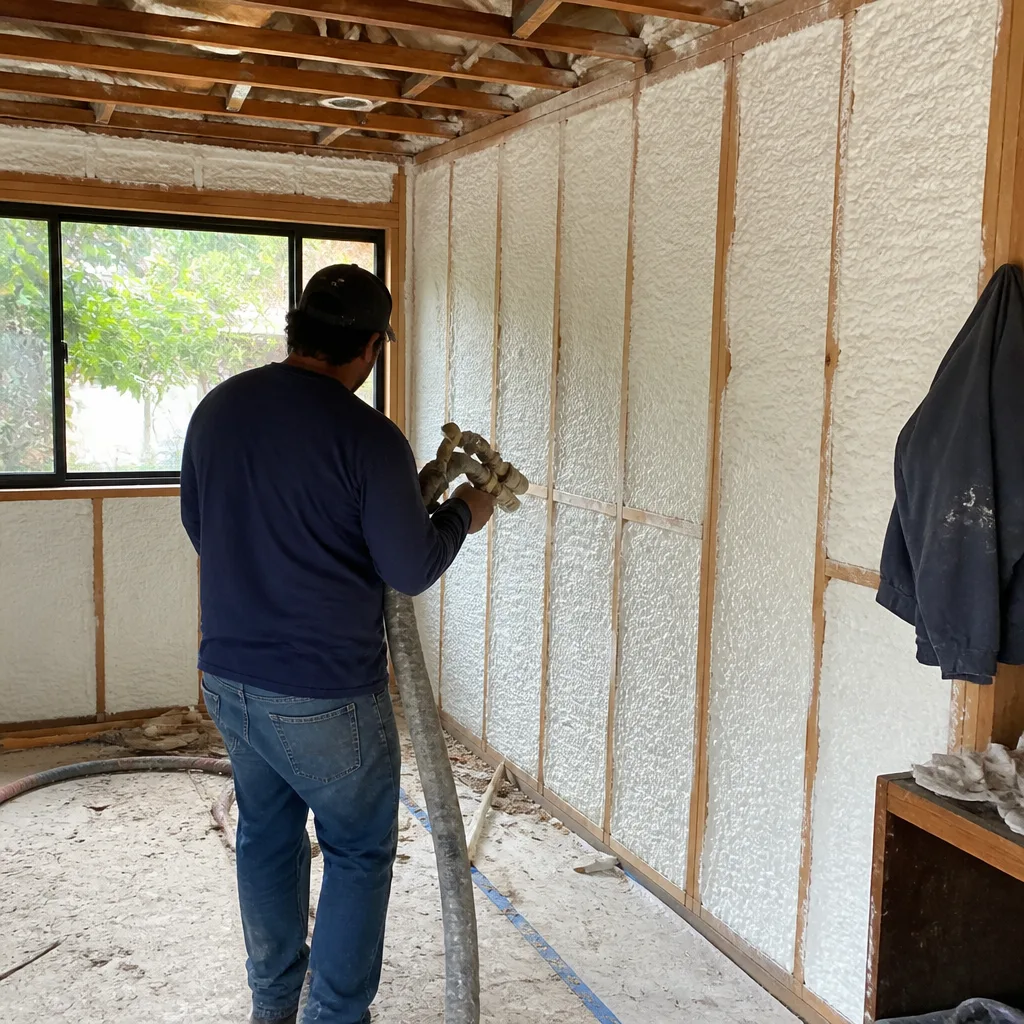 After
AfterHow to Save on Spray Foam Insulation in Glendale
Get the Scope Right Before You Get a Price
The fastest way to overpay for spray foam is to accept a bid written around the wrong scope. If a contractor quotes you open-cell on a roof deck assembly that needs vapor control, you’ll be back to fix it within a few years. If they quote closed-cell where open-cell would perform equally well, you’re paying a 50-70% premium for no benefit. Before any estimate, confirm that the contractor has inspected the actual space – not just a listing photo – and can explain why they chose the foam type they specified.
Combine Air Sealing and Insulation in One Mobilization
Labor mobilization – getting a crew, a rig, and materials to a Glendale address – has a fixed cost that gets split across the job scope. If you air-seal and insulate in the same visit, you pay one mobilization. If you do them separately, you pay twice. Envelope Insulation Co. treats air sealing as the first step of every insulation job, not a separate appointment, which means this cost is already built in rather than billed twice.
Pair With Existing Rebate Programs
Southern California Gas Company (SoCalGas) and Los Angeles Department of Water and Power (LADWP) both offer residential insulation rebates that Glendale homeowners may qualify for, depending on utility provider and project type. Rebate amounts shift year to year, but in early 2026 residential air sealing and insulation projects have been eligible for $200 to $800 in combined rebates depending on the measures installed and the pre-retrofit condition of the home. Your contractor should be able to identify which measures qualify and provide the documentation the utility program requires for rebate claims.
Use the Free Second Opinion on Any Written Estimate
If you’ve already received a written estimate from another contractor, Envelope Insulation Co. will read it with you – line by line – at no charge. This is a standing offer, not a promotional window. The goal isn’t to automatically undercut the other number; it’s to help you understand what’s in the scope, what’s missing, and whether the materials specified are appropriate for your specific home. Bring the estimate to your appointment or email it ahead of time.
Don’t Optimize for the Lowest Per-Square-Foot Number
Spray foam price-shopping on a per-square-foot basis is a reasonable starting point, but it misses the variables that matter most: foam density, coverage depth, whether air sealing is included, and what the contractor does when the work isn’t right. A closed-cell job at $3.50 per square foot that skips air sealing and uses an inconsistent application thickness will underperform a job at $4.25 that includes proper prep. The 365-Day Done Right Promise covers all completed work – if it’s not right, it gets made right.
For a free estimate that includes a written price before any work starts, call (213) 474-3828. A live person answers – no voicemail loops, no callback windows measured in business days.
FAQs – Spray Foam Insulation Cost in Glendale, CA
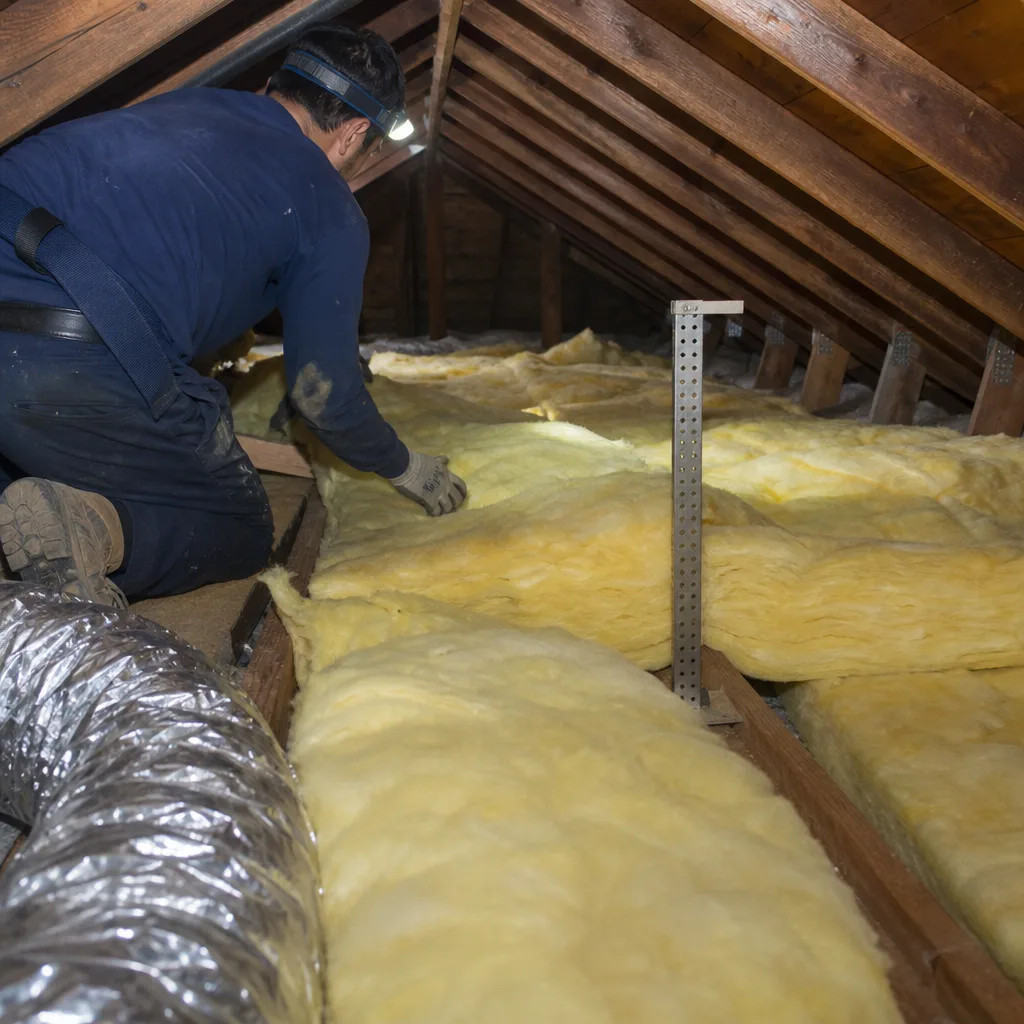
How much does spray foam insulation cost per square foot in Glendale?
Installed spray foam in Glendale runs $1.50 to $5.50 per square foot, with open-cell foam at the lower end ($1.50-$2.25) and closed-cell at the upper end ($3.00-$5.50 depending on application area). Roof deck applications in unvented attic conversions sit at the higher end because they require greater thickness and the foam type matters for vapor control. These figures include both material and labor; material-only numbers you might see from a supply house are not comparable to an installed price. Call (213) 474-3828 for a written estimate specific to your Glendale home’s square footage and conditions.
Is spray foam worth the cost compared to blown-in insulation in Glendale?
Spray foam costs more up front – typically 2 to 3 times the installed price of blown-in fiberglass or cellulose – but it performs a different function. Blown-in insulation slows heat transfer; spray foam both slows heat transfer and seals air movement in a single pass. In Glendale’s inland basin climate, where summer attic temperatures can reach 140-150°F, convective bypass through an unsealed attic floor can carry more heat into the living space than radiation through the insulation itself. For applications where both air sealing and thermal performance matter – roof decks, rim joists, crawl space perimeters – spray foam often produces a measurably better blower-door result than blown-in insulation with separate air sealing. For simple attic floors where the assembly allows adequate blown-in depth, blown-in at a lower cost may be the more sensible choice. A pre-job blower-door test – a pressurization measurement that shows, in one number, how much air your building envelope is losing – gives you a baseline so you can compare results rather than promises.
How long does spray foam insulation last in a Glendale home?
Closed-cell spray foam has an effective service life of 80+ years in normal residential applications, with no meaningful degradation of R-value or air-sealing performance over time. Open-cell foam is similarly durable in conditioned or semi-conditioned spaces, though it is not recommended in applications where it will be exposed to standing moisture. Both foam types outlast fiberglass batts and most blown-in products when correctly installed and not disturbed by subsequent renovation work. In Glendale homes, the main practical limit is not the foam itself but changes to the building – roof replacement, HVAC relocation, or additions that open previously sealed assemblies. Foam in those affected areas would need to be cut back and reapplied.
Do I need a permit for spray foam insulation in Glendale?
Yes, in most cases. The City of Glendale Building and Safety Division requires a permit for spray foam work that changes the thermal envelope, which includes converting a vented attic to an unvented (conditioned) assembly by spraying the roof deck, and any work that alters the California Energy Code compliance path of the home. Permit fees for residential insulation in Glendale currently run $180-$350 depending on project valuation. Simple air sealing and blown-in insulation additions at existing depths sometimes fall under the permit threshold, but spray foam roof deck applications generally do not. Your contractor should pull the permit – not ask you to do it – and should be able to show you the approved permit before work begins. Under Haven Standard Clause 1, a written scope is delivered before any work starts; permit status is part of that scope.
Can spray foam insulation be installed in one day in Glendale?
Most single-application spray foam projects in Glendale – attic floor treatment, crawl space perimeter, rim joists, or a standard garage ceiling – are completed in one day, with a cure time of 24 hours before the space is fully usable. Larger or more complex jobs, such as a whole-house unvented roof deck conversion combined with crawl space encapsulation, may require two days. The chemical off-gassing window during and immediately after application requires ventilation of the work area, so occupants should plan to be out of the immediate space for a minimum of 2-4 hours post-application, depending on foam volume. Your crew will give you a specific re-entry time based on the product and volume used on your job.
What is the difference between open-cell and closed-cell spray foam, and which costs more?
Closed-cell spray foam costs more – typically $1.50 to $2.50 per square foot more installed than open-cell. Open-cell foam (0.5 lb density) is softer, vapor-permeable, and expands dramatically; it delivers roughly R-3.5 to R-3.8 per inch and works well in interior applications where moisture control isn’t critical. Closed-cell foam (2 lb density) is rigid, vapor-impermeable, and delivers R-6 to R-7 per inch – useful when you need both thermal performance and a vapor retarder in a thinner assembly, which is common in Glendale hillside crawl spaces and low-clearance roof deck applications. Closed-cell also adds structural stiffness to roof sheathing. The right choice depends on where it’s going, not on which product costs less.
Glendale Neighborhoods We Regularly Service
Spray foam work from Envelope Insulation Co. spans the full range of Glendale’s residential neighborhoods, each with its own construction era and building characteristics. Adams Hill and Grandview have a high concentration of 1920s-1940s Craftsman bungalows with shallow attic pitches and original framing that benefits from careful air sealing before foam is added. The Verdugo Woodlands and Chevy Chase Canyon area includes hillside homes with pier-and-beam foundations where crawl space work is common. Montrose and La Crescenta – technically unincorporated but served by Glendale utilities and building jurisdiction in many cases – have a mix of mid-century ranch homes and newer construction where Title 24 compliance is a frequent driver of the foam choice. Rossmoyne and Glenoaks Canyon homes often come with complex roof geometry that requires experienced application work to achieve consistent coverage.
In all of these areas, the starting point is the same: a written price before any work begins, a documented photo record when the crew leaves, and on applicable jobs, before-and-after blower-door readings so you can see the air-sealing result in a single number rather than taking anyone’s word for it. Since 2016, Wes Okafor and the Envelope Insulation Co. team have completed this process on more than 9,000 homes – every one with a written price at the start and a documented record at the end.
Learn more about our Spray Foam Insulation in Glendale service page for full application details and scope options, or visit our home page to see the full building-envelope service line.
Key Takeaways
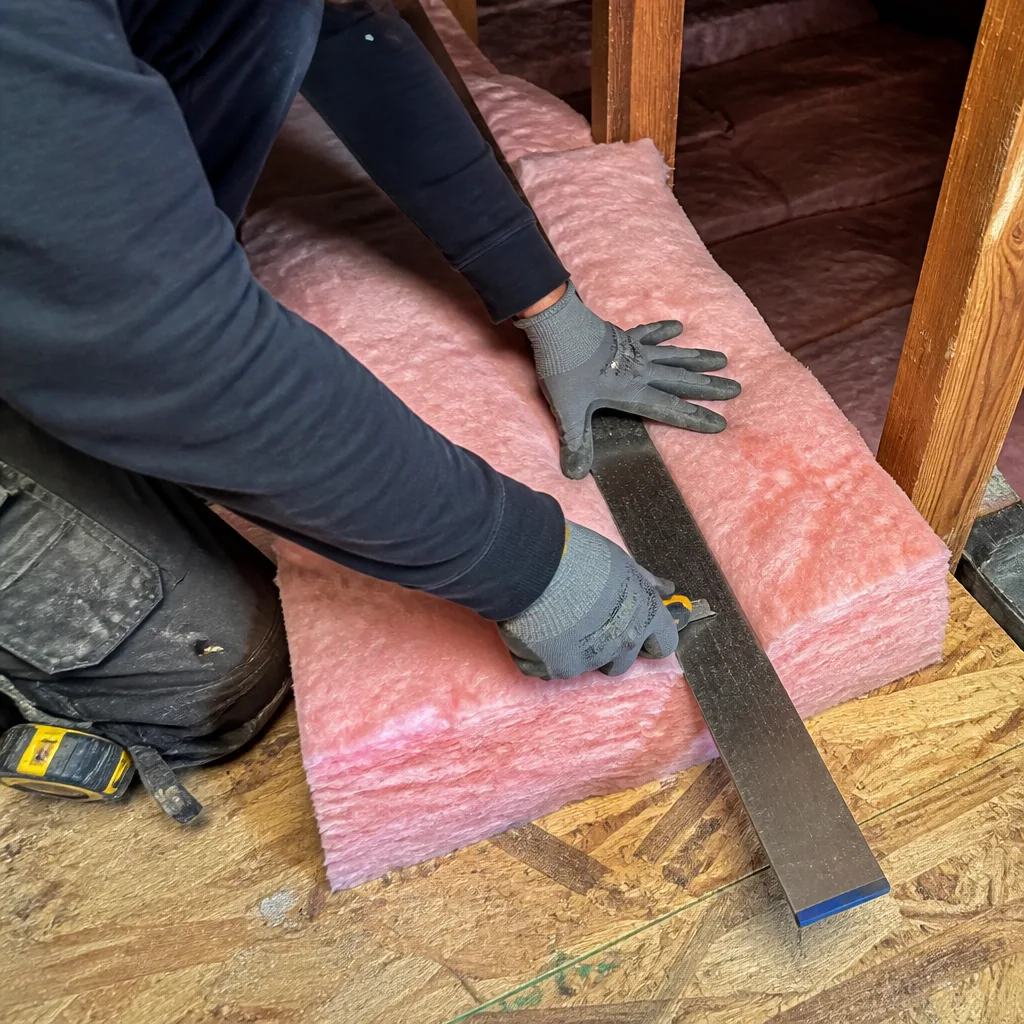
- Spray foam insulation in Glendale runs $1.50-$5.50 per square foot installed, with most full-attic projects falling between $2,200 and $7,800 depending on foam type and scope.
- Open-cell foam costs less per square foot but is not appropriate for all applications – closed-cell is the right call for roof decks, crawl spaces, and assemblies that need vapor control.
- Air sealing of top plates, can lights, and penetrations must be completed before foam is added – not skipped, not bundled into a single vague line item, and not presented as an upsell.
- A permit is required in most spray foam applications in Glendale; your contractor should pull it, and it should appear in the written scope before work starts.
- Insulation removal, where needed, runs $1.00-$2.50 per square foot and should be itemized separately in any written estimate you receive.
- SoCalGas and LADWP rebate programs may reduce net cost by $200-$800 depending on project type and pre-retrofit conditions.
- Before-and-after blower-door readings are provided on applicable jobs so you can verify the air-sealing result in measurable terms, not just in the contractor’s description of it.
Get a Written Price Before Any Work Starts
If you’re ready to get a number for your specific Glendale home – not a range from a pricing guide but an actual written price for your square footage, your foam type, and your application area – call (213) 474-3828. A live person answers. No voicemail, no callback window. The estimate is free, the price is written before any work begins, and if you already have a competing estimate in hand, bring it – we’ll read it with you line by line at no charge.
Every Envelope Insulation Co. job closes with a Documented Photo Record and, on applicable projects, before-and-after blower-door readings. You’ll know what the work cost, what it did, and what you can show a future buyer or an energy auditor. That’s the Haven Standard – and it applies to every job, not just the ones where everything goes smoothly.
Written by Wes Okafor, Owner at Envelope Insulation Co. (operating as Topside Attic Insulation Glendale), serving Glendale, CA since 2016. Pricing reflects the Glendale market as of 2026. Topside Attic Insulation Glendale offers free estimates – call (213) 474-3828.
What Our Customers Say
"The winter gas bill dropped by about a third. They had estimated a quarter, so they under-promised."
- Genevieve R."Two other companies quoted to blow more insulation on top of what was there. These were the only ones who said the existing material had to come out first, and explained why."
- Clifford E."They photographed rodent damage in the old insulation that we had no idea about, and priced the exclusion work separately so we could decide."
- Harriet N.